Hair loss affects millions of people across the UK, leading many to search for solutions that promise to restore volume and thickness. Amongst the most popular options are specialised shampoos marketed specifically for thinning hair. However, understanding which products deliver genuine results and which rely purely on marketing claims requires careful consideration of ingredients, scientific evidence, and realistic expectations. This comprehensive guide examines what thinning shampoo can and cannot achieve, helping you make informed decisions about your hair care routine.
Understanding How Thinning Shampoo Works
The fundamental principle behind any thinning shampoo involves addressing hair loss at the scalp level whilst simultaneously improving the appearance of existing strands. These products typically approach the problem through multiple mechanisms, though not all formulations are created equal.
Primary mechanisms of action include:
- Strengthening individual hair shafts to reduce breakage
- Stimulating blood flow to hair follicles
- Blocking DHT (dihydrotestosterone) at the scalp surface
- Providing essential nutrients to support healthy growth
- Creating temporary volume through plumping agents
Most shampoos designed for thinning hair cannot reverse genetic hair loss or stimulate completely new growth from dormant follicles. Instead, they work to optimise the health of existing hair and the scalp environment. According to research on hair growth shampoos, certain formulations can temporarily plump hair strands whilst some ingredients may help counteract follicle miniaturisation.
The Role of Active Ingredients
The effectiveness of any thinning shampoo depends heavily on its formulation. Certain ingredients have demonstrated scientific backing, whilst others remain largely unproven despite widespread marketing claims.
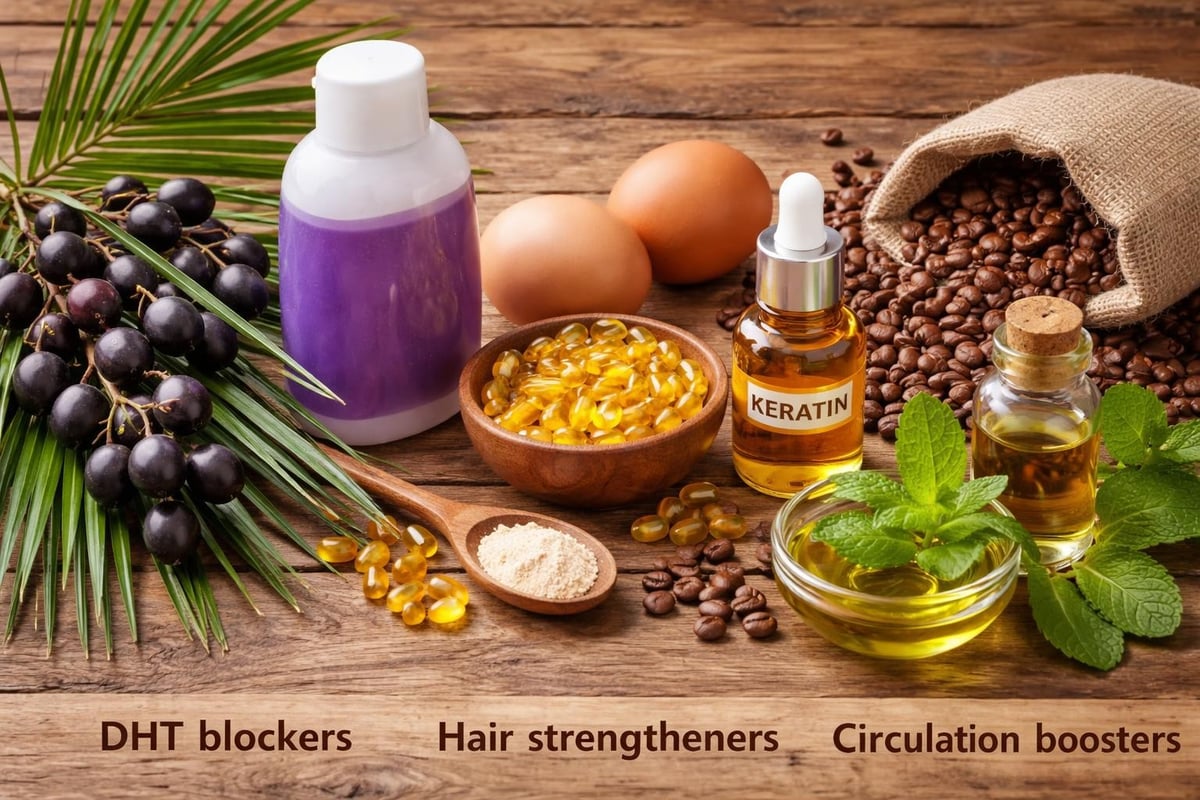
Evidence-supported ingredients include:
- Ketoconazole – An antifungal agent that may reduce DHT-related hair loss
- Biotin – Supports keratin production and hair structure
- Caffeine – Stimulates follicles and may extend the growth phase
- Saw Palmetto – Natural DHT blocker with promising research
- Niacin – Improves blood circulation to the scalp
- Peptides – Support collagen production and follicle health
The concentration of these ingredients matters significantly. Many commercial products contain such minimal amounts that therapeutic effect becomes negligible, which is why expert analysis reveals that most thinning hair shampoos rely more on marketing than evidence.
What to Avoid in Thinning Hair Products
Certain ingredients commonly found in mainstream shampoos can actually worsen thinning hair problems. Understanding what to avoid proves just as important as knowing which ingredients to seek out.
| Problematic Ingredient | Why to Avoid | Better Alternative |
|---|---|---|
| Sodium Lauryl Sulfate (SLS) | Strips natural oils, causes irritation | Sodium Cocoyl Isethionate |
| Parabens | Potential hormone disruption | Phenoxyethanol |
| Silicones | Build-up weighing down fine hair | Natural conditioning oils |
| Synthetic Fragrances | Scalp irritation and sensitivity | Essential oils |
Research shows that harsh ingredients like sulfates can irritate the scalp and potentially worsen hair thinning, particularly for those already experiencing sensitivity or inflammation. Gentle, pH-balanced formulations work more effectively for fragile, thinning hair.
Common Misconceptions About Shampooing Frequency
Many people with thinning hair believe that washing less frequently will help preserve their strands. This myth has persisted despite evidence to the contrary.
Daily shampooing with appropriate products does not cause hair loss. In fact, maintaining a clean scalp environment supports optimal follicle health. The evidence surrounding lifestyle factors and hair loss demonstrates that shampooing frequency has minimal impact on hair loss rates when using gentle formulations.
Realistic Expectations for Thinning Shampoo Results
Setting appropriate expectations prevents disappointment and helps users evaluate products fairly. No shampoo alone can completely reverse advanced hair loss or replace medical treatments for conditions like androgenetic alopecia.
What thinning shampoo CAN achieve:
- Improved hair texture and manageability
- Reduced breakage from strengthening effects
- Enhanced appearance of volume through plumping
- Better scalp health and reduced inflammation
- Temporary fullness lasting several hours after washing
What thinning shampoo CANNOT achieve:
- Permanent reversal of genetic hair loss
- Regrowth of completely dormant follicles
- Results comparable to prescription medications
- Instant transformation within days or weeks
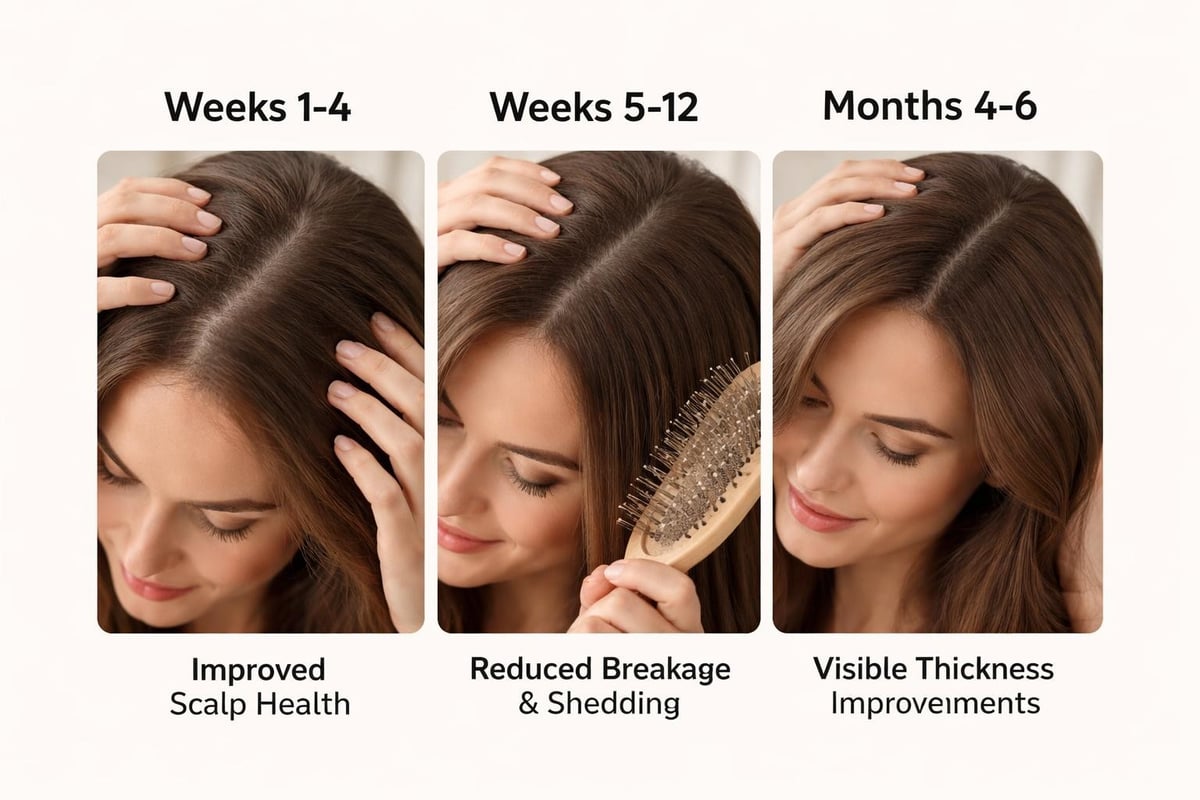
Most quality products require consistent use over three to six months before noticeable improvements become apparent. Even then, results typically manifest as slowed loss rather than dramatic regrowth.
Combining Thinning Shampoo with Other Solutions
The most effective approach to managing thinning hair typically involves multiple complementary strategies rather than relying on any single product.
Comprehensive Hair Care Strategies
- Medical treatments – Consult healthcare providers about finasteride, minoxidil, or other prescription options
- Nutritional support – Ensure adequate protein, iron, and vitamin D intake
- Gentle styling practices – Avoid excessive heat and tight hairstyles
- Scalp care – Regular massage and exfoliation to support circulation
- Cosmetic solutions – Consider products like hair thickening spray for immediate visual improvement
For those seeking instant results whilst pursuing longer-term solutions, cosmetic concealers provide an excellent bridge. These products work immediately to disguise thinning areas, boosting confidence during the extended period required for other treatments to take effect.
Evaluating Product Claims and Marketing
The hair loss industry generates billions annually, creating strong incentives for exaggerated marketing claims. Developing skills to assess products critically protects consumers from wasting money on ineffective formulations.
Red flags indicating questionable products:
- Promises of complete regrowth within weeks
- Lack of ingredient transparency
- No clinical studies or third-party testing
- Excessive reliance on before-and-after photos
- Claims of "miracle" or "secret" ingredients
Reputable manufacturers provide clear ingredient lists, realistic timelines, and evidence-based explanations of how their formulations work. Reviews of top shampoos for thinning hair consistently emphasise the importance of scientifically supported ingredients and transparent marketing.
Reading Labels Effectively
Understanding how to interpret product labels helps identify genuinely beneficial formulations versus those primarily focused on marketing appeal.
| Label Element | What to Look For | Warning Signs |
|---|---|---|
| Ingredient Order | Active ingredients in top 5 | Key components listed last |
| Concentration Claims | Specific percentages stated | Vague terms like "infused with" |
| Clinical Backing | Published studies referenced | Generic "clinically proven" |
| Certifications | Dermatologist tested, cruelty-free | No third-party verification |
Specialised Formulations for Different Hair Loss Types
Not all thinning hair stems from the same causes, and different formulations address various underlying factors more effectively.
DHT-Related Hair Loss
Androgenetic alopecia, the most common form of hair loss, involves DHT binding to follicle receptors and causing miniaturisation. Specialised DHT-blocking shampoos incorporate ingredients like saw palmetto, pumpkin seed oil, and ketoconazole to address this specific mechanism.
These formulations work best when used consistently as part of a broader strategy that may include prescription DHT blockers like finasteride, though users should research potential side effects thoroughly before committing to systemic treatments.
Breakage-Related Thinning
Some individuals experience thinning primarily due to breakage rather than follicle miniaturisation. For these cases, strengthening formulations with proteins, ceramides, and bond-building ingredients prove most beneficial.
- Hydrolysed proteins penetrate the hair shaft
- Ceramides restore the protective cuticle layer
- Amino acids provide building blocks for keratin
- Natural oils seal moisture and prevent brittleness
Age-Related Changes
Hair naturally becomes finer and grows more slowly with age due to hormonal shifts and cellular changes. Thinning shampoo formulated for mature hair often includes antioxidants, collagen-supporting peptides, and ingredients that address reduced sebum production.

The Science Behind Volume-Enhancing Technologies
Beyond addressing the root causes of hair loss, many thinning shampoo products incorporate technologies designed to create immediate visual improvement.
Temporary plumping mechanisms include:
- Cationic polymers that coat each strand, increasing diameter
- Panthenol (Pro-Vitamin B5) that swells the hair shaft
- Rice protein that adds substantive volume
- Hydrolysed wheat protein that fills gaps in damaged cuticles
These effects typically last until the next wash, providing cosmetic improvement without claiming to treat underlying hair loss. The visual enhancement can significantly boost confidence, particularly when combined with effective hair loss concealing products.
Professional Versus Consumer-Grade Products
The distinction between professional salon formulations and consumer products available in shops involves more than just price points.
Professional thinning shampoo lines typically feature:
- Higher concentrations of active ingredients
- More sophisticated delivery systems
- Customisation for specific hair loss patterns
- Complementary treatment systems (conditioners, serums, masks)
- Professional guidance on application techniques
However, several consumer-grade options now incorporate comparable ingredients at accessible price points. Expert-reviewed selections demonstrate that effective formulations exist across various price ranges, making quality treatment accessible to more people.
Incorporating Thinning Shampoo into Your Routine
Maximising the benefits of any thinning shampoo requires proper application techniques and complementary care practices.
Optimal Application Method
- Wet hair thoroughly with lukewarm water
- Apply a small amount (typically 10ml) to the scalp
- Massage gently for 2-3 minutes to stimulate circulation
- Allow product to remain on scalp for recommended time
- Rinse completely to prevent residue build-up
- Follow with appropriate conditioner on mid-lengths and ends only
Many users make the mistake of applying thinning shampoo like regular cleansers, missing the opportunity for active ingredients to work effectively. The scalp massage component proves particularly important for products containing circulation-boosting ingredients like caffeine.
Complementary Lifestyle Factors
Product effectiveness increases significantly when combined with supportive lifestyle choices. Those exploring medical aspects of hair loss should consider how daily habits impact results.
Supporting factors include:
- Adequate sleep (7-9 hours) for cellular repair
- Stress management through meditation or exercise
- Balanced diet rich in protein and micronutrients
- Hydration supporting overall cellular health
- Protection from UV damage and environmental pollutants
Addressing Specific Concerns and Problem Areas
Some individuals experience thinning in localised areas rather than overall density loss. This pattern requires targeted approaches beyond general thinning shampoo use.
For those dealing with emerging bald patches, combining cleansing products with immediate cosmetic solutions provides both short-term confidence and long-term treatment potential. The psychological impact of visible thinning should not be underestimated, as appearance concerns often affect self-esteem and social interactions.
Gender-Specific Formulations
Whilst hair biology remains similar across genders, hormonal differences mean that some formulations target specific patterns more effectively.
| Gender | Common Pattern | Recommended Focus |
|---|---|---|
| Male | Receding hairline, crown thinning | DHT blockers, strengthening |
| Female | Diffuse thinning, widening part | Volume enhancers, gentle formulas |
| Both | Overall density reduction | Comprehensive multi-ingredient |
Women experiencing thinning should particularly avoid harsh sulfates, as hormonal fluctuations can increase scalp sensitivity. Many lifestyle factors affect hair health differently across genders, requiring personalised approaches.
Emerging Research and Future Developments
The science of hair loss treatment continues advancing, with new ingredients and delivery systems regularly entering the market.
Recent developments showing promise include:
- Stem cell-derived growth factors that may reactivate dormant follicles
- Peptide complexes designed to extend the growth phase
- Microbiome-supporting prebiotics for scalp health
- Nanoencapsulation technology improving ingredient penetration
Innovative research into modified proteins suggests future formulations may achieve results currently impossible with existing technologies. However, proven ingredients remain the safest choice until newer compounds undergo extensive testing.
Monitoring Progress and Adjusting Strategies
Tracking results systematically helps determine whether a particular thinning shampoo delivers meaningful benefits or requires replacement.
Effective monitoring methods:
- Take standardised photographs monthly from consistent angles
- Count hairs shed during washing (normal range: 50-100 daily)
- Measure ponytail circumference if applicable
- Note changes in styling time or product requirements
- Track overall scalp health and comfort
Most experts recommend trialling a product for at least three months before making definitive judgements about effectiveness. Hair growth cycles operate on extended timelines, meaning immediate results typically indicate cosmetic rather than therapeutic benefits.
Whilst thinning shampoo can support hair health and improve appearance, realistic expectations and comprehensive strategies yield the best outcomes. For immediate visual improvement whilst pursuing longer-term solutions, RESTRAND LTD offers professional-grade hair thickening sprays that instantly conceal thinning areas, boosting confidence whilst you explore treatment options that work for your specific situation.