Thinning hair affects millions of people across the United Kingdom, impacting self-confidence and self-image regardless of age or gender. Whether you're noticing a gradual reduction in hair density, a widening parting, or increased scalp visibility, understanding the available solutions can transform your approach to hair care. Today's market offers an impressive array of products and techniques designed specifically for thinning hair, from advanced cosmetic concealers to scientifically-backed treatments that address the root causes of hair loss.
Understanding the Causes of Thinning Hair
Before exploring solutions, recognising why hair thinning occurs helps you select the most appropriate interventions. Hair loss rarely stems from a single cause, making personalised approaches essential for optimal results.
Hormonal Changes and Genetic Factors
Androgenetic alopecia, commonly known as male or female pattern baldness, represents the most prevalent cause of hair thinning. This hereditary condition affects approximately 50% of men and 40% of women by age 50. DHT blockers have emerged as a popular intervention for those dealing with hormone-related hair loss.
Hormonal fluctuations during pregnancy, menopause, or thyroid dysfunction can trigger temporary or permanent hair thinning. Women experiencing hair loss should consult healthcare providers to identify underlying hormonal imbalances.
Nutritional Deficiencies and Lifestyle Factors
Your diet directly influences hair health and density. Iron deficiency, vitamin D insufficiency, and inadequate protein intake commonly contribute to thinning hair. Stress, poor sleep quality, and excessive hairstyling also accelerate hair loss.
| Nutrient | Role in Hair Health | Recommended Sources |
|---|---|---|
| Protein | Building blocks for hair structure | Lean meats, fish, legumes, eggs |
| Iron | Oxygen delivery to follicles | Red meat, spinach, lentils |
| Biotin | Keratin production support | Nuts, sweet potatoes, eggs |
| Zinc | Follicle repair and growth | Oysters, beef, pumpkin seeds |
| Vitamin D | Follicle stimulation | Fatty fish, fortified dairy, sunlight |

Medical Treatments for Thinning Hair
Contemporary medicine offers several evidence-based interventions that can slow, halt, or even reverse hair thinning for many individuals.
Topical and Oral Medications
Minoxidil remains the gold standard topical treatment for thinning hair, available over the counter in 2% and 5% formulations. Recent developments include low-dose oral minoxidil, which offers convenience and potentially enhanced effectiveness compared to topical applications.
Finasteride, available by prescription for men, blocks DHT production and demonstrates significant effectiveness in slowing hair loss and promoting regrowth. Women should avoid this medication during childbearing years.
Professional Procedures
- Platelet-Rich Plasma (PRP) therapy: Involves injecting concentrated growth factors from your own blood into the scalp
- Low-Level Laser Therapy (LLLT): FDA-cleared devices that stimulate follicles through specific light wavelengths
- Hair transplantation: Surgical redistribution of follicles from dense areas to thinning regions
- Microneedling: Creates micro-injuries to stimulate collagen and enhance product absorption
These treatments vary considerably in cost, invasiveness, and time commitment. Consultation with a qualified dermatologist or trichologist ensures you select appropriate interventions based on your specific pattern and cause of hair loss.
Daily Hair Care Practices for Thinning Hair
How you treat your hair daily significantly influences its appearance and health. Gentle, strategic care maximises volume whilst minimising damage.
Washing and Conditioning Techniques
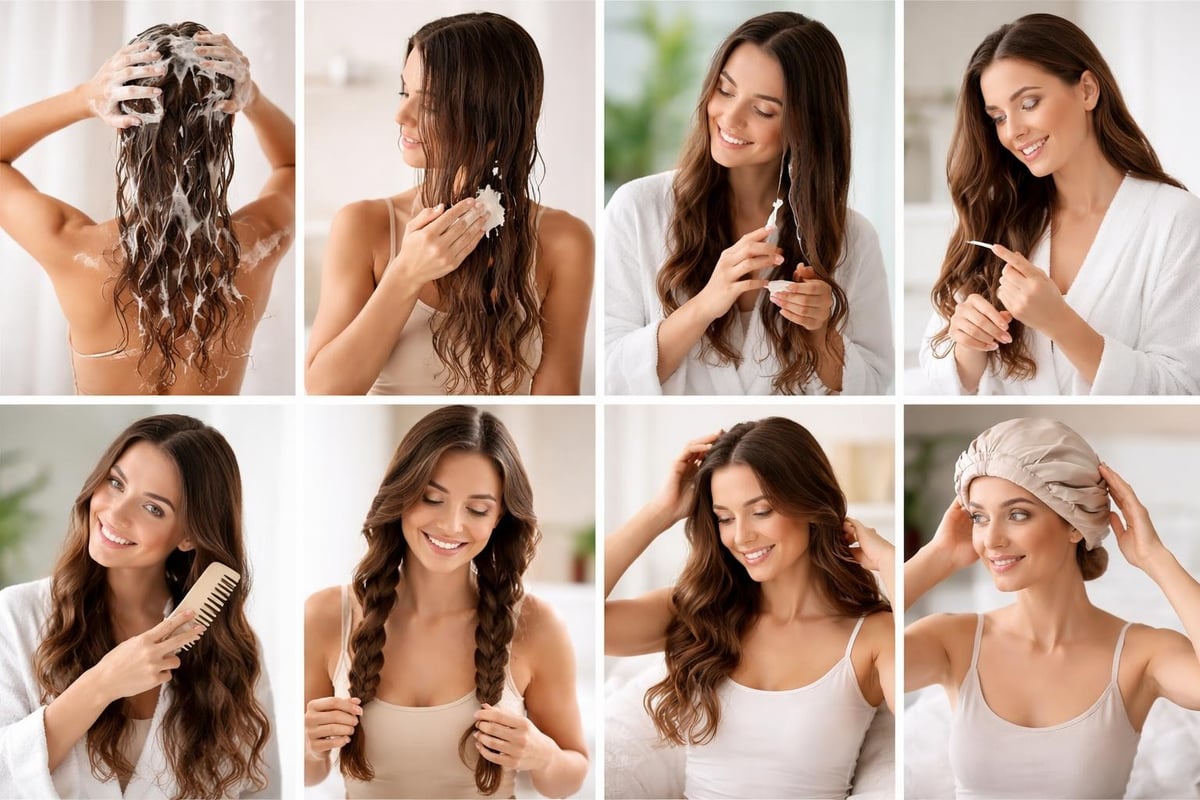
Overwashing strips natural oils that protect hair shafts, whilst underwashing leads to buildup that weighs hair down. Most people with thinning hair benefit from washing 2-3 times weekly using sulphate-free formulations.
Apply conditioner only to the mid-lengths and ends, avoiding the scalp area where it can create flatness. Proper hair care routines include using lukewarm rather than hot water to prevent moisture loss and breakage.
Styling Considerations
Heat styling tools damage hair cuticles and accelerate thinning. When heat is necessary, always apply a thermal protection spray and use the lowest effective temperature setting.
Gentle styling tips for thinning hair:
- Pat hair dry with a microfibre towel rather than rubbing vigorously
- Detangle with a wide-tooth comb starting from the ends
- Avoid tight hairstyles that create tension on follicles
- Change your parting regularly to prevent concentrated stress
- Sleep on silk or satin pillowcases to reduce friction
The American Academy of Dermatology provides comprehensive guidance on managing hair loss through thoughtful daily routines that protect existing hair whilst creating the appearance of greater volume.
Cosmetic Solutions and Camouflage Techniques
Whilst medical treatments address underlying causes, cosmetic solutions provide immediate visual improvements for thinning hair, boosting confidence whilst other interventions take effect.
Hair Thickening Sprays and Fibres
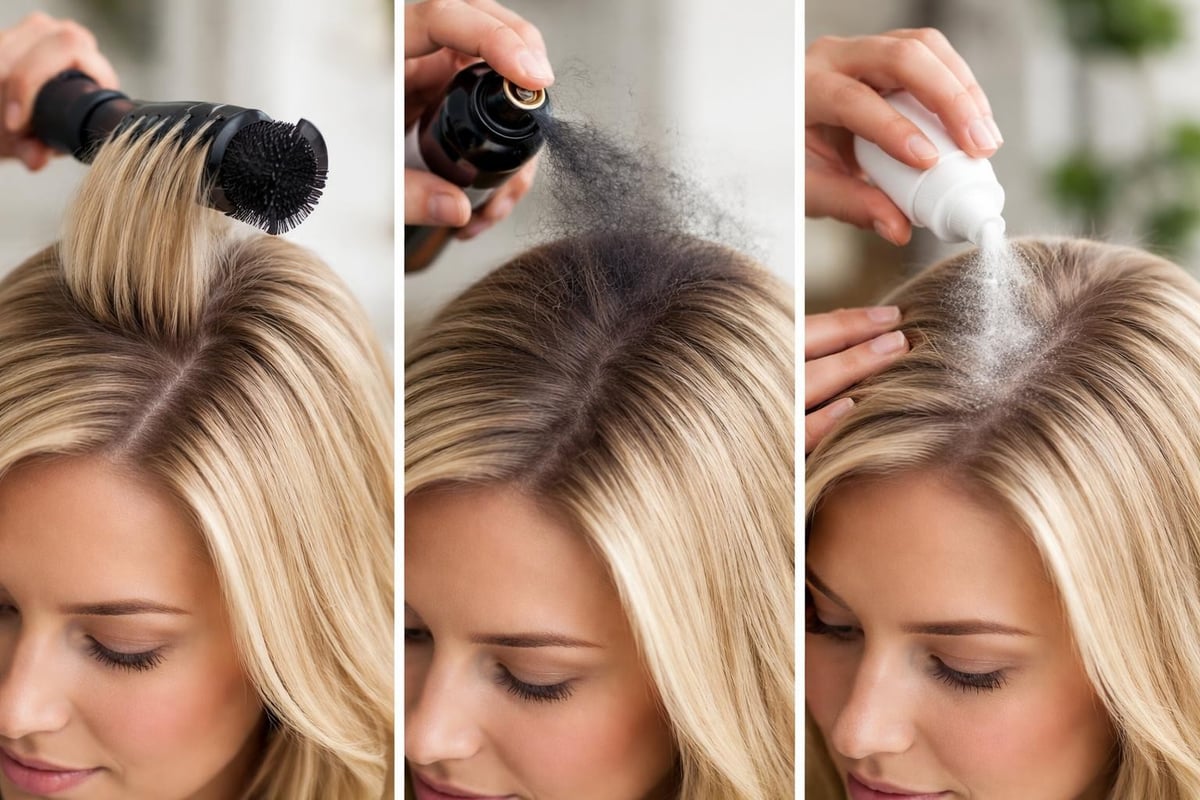
Modern cosmetic concealers have revolutionised the approach to thinning hair. Hair thickening sprays utilise keratin-based fibres or polymers that electrostatically bond to existing hair, creating the appearance of significantly greater density within seconds.
These products work by coating each hair shaft, increasing its diameter and creating a fuller appearance. Advanced formulations remain in place through daily activities, resisting wind and light perspiration whilst washing out easily with shampoo.
| Product Type | Application Method | Duration | Best For |
|---|---|---|---|
| Keratin fibres | Shake onto thinning areas | Until next wash | Small to moderate patches |
| Thickening spray | Spray evenly through hair | 24-48 hours | Overall thinning |
| Root concealers | Apply directly to scalp | Until next wash | Visible partings |
| Volumising powder | Dust onto roots | 12-24 hours | Fine, limp hair |
Strategic Colouring and Cutting
Reducing contrast between hair and scalp makes thinning less noticeable. Lighter hair colours or subtle highlights create the illusion of greater density by minimising the stark difference when scalp shows through.
Shorter hairstyles generally benefit those with thinning hair, as longer lengths weigh hair down and emphasise sparse areas. Layered cuts add movement and dimension, creating visual fullness.
Nutritional Support and Supplements
Whilst supplements cannot reverse genetic hair loss, they address deficiencies that exacerbate thinning and support overall hair health.
Evidence-Based Supplements
Research supports several supplements for improving hair quality and potentially reducing shedding:
- Biotin (Vitamin B7): Supports keratin production, though deficiency is rare
- Marine proteins: Provide amino acids essential for hair structure
- Iron: Critical for those with diagnosed deficiency-related hair loss
- Vitamin D: Supports follicle cycling and may reduce shedding
- Omega-3 fatty acids: Reduce inflammation and support scalp health
Always consult healthcare providers before starting supplements, as excessive intake of certain vitamins can paradoxically worsen hair loss. Blood tests identify genuine deficiencies requiring targeted intervention.
Dietary Patterns for Hair Health
Building stronger hair requires consistent nutritional support through a balanced diet rich in proteins, healthy fats, and diverse micronutrients. Mediterranean dietary patterns, emphasising fish, nuts, vegetables, and olive oil, correlate with better hair health outcomes.
Adequate hydration supports scalp circulation and nutrient delivery to follicles. Aim for 2-3 litres of water daily, adjusting for activity level and climate.
Styling Products That Add Volume
Strategic product selection transforms the appearance of thinning hair without causing damage or accelerating loss.
Volumising Formulations
Volumising sprays designed specifically for thin hair create lift at the roots whilst providing hold without stiffness. Look for lightweight formulations containing polymers that coat hair shafts without residue buildup.
Key ingredients to seek in products for thinning hair:
- Panthenol (Pro-Vitamin B5) for moisture and thickness
- Hydrolysed proteins to temporarily strengthen shafts
- Polymers for volume and hold
- Botanical extracts like green tea or saw palmetto
- Niacinamide for scalp health
Avoid heavy oils, silicones, and waxes near the roots, as these flatten hair and emphasise thinning. Reserve these ingredients for the mid-lengths and ends where moisture is beneficial.
Application Techniques
Product placement dramatically affects volume. Apply volumising products to damp hair at the roots, then blow-dry using a round brush to create lift. Alternatively, apply to dry hair and backcomb gently at the crown for instant height.
Understanding what spray-on hair products are and how they work helps you maximise their effectiveness. Most thickening sprays perform best on completely dry, styled hair as a finishing touch.
Preventing Further Hair Thinning
Proactive measures protect existing hair and potentially slow progression, complementing other treatments you may be using.
Protecting Hair From Damage
Preventing hair loss before it worsens requires consistent attention to factors within your control. Chemical treatments like bleaching, perming, and relaxing weaken hair structure and should be minimised.
UV radiation damages hair proteins and accelerates ageing of follicles. Wear hats in strong sunlight or use products containing UV filters to protect both hair and scalp.
Stress Management and Sleep
Chronic stress triggers telogen effluvium, a condition where hair prematurely enters the shedding phase. Incorporating stress-reduction practices like meditation, exercise, or counselling can reduce stress-related hair loss.
Quality sleep supports the body's repair processes, including hair growth cycles. Aim for 7-9 hours nightly in a cool, dark environment to optimise recovery.
Regular Scalp Care
A healthy scalp environment supports optimal hair growth. Weekly scalp massage increases blood flow to follicles, potentially improving nutrient delivery. Some evidence suggests massage may stimulate growth factors within follicle cells.
Exfoliating the scalp monthly removes product buildup and dead skin cells that can clog follicles. Use gentle scrubs designed specifically for the scalp, avoiding harsh mechanical or chemical exfoliation.
Understanding Product Options and Choosing Wisely
The market for thinning hair solutions continues expanding, making informed selection increasingly important. Researching the best hair loss concealers helps identify products suited to your specific needs and lifestyle.
Evaluating Product Claims
Not all products marketed for thinning hair deliver meaningful results. Look for transparency regarding ingredients, realistic before-and-after documentation, and third-party testing or certification where applicable.
Cosmetic concealers provide immediate visual improvement, making them ideal for special occasions or daily confidence boosting. Medical treatments require months to show results but may address underlying causes more comprehensively.
Combining Approaches for Best Results
Most people achieve optimal outcomes by combining multiple strategies:
- Medical treatment to address root causes
- Cosmetic concealers for immediate appearance improvement
- Gentle hair care to protect existing hair
- Nutritional support for overall hair health
- Stress management for hormonal balance
This multi-faceted approach addresses thinning hair from various angles, maximising both immediate confidence and long-term outcomes. Expert guidance on hair loss help assists in developing personalised routines.
The Psychological Impact and Building Confidence
Hair thinning affects self-perception and confidence significantly. Acknowledging these emotional aspects while taking practical steps creates a balanced approach to managing the condition.
Addressing Self-Image Concerns
Many people delay seeking solutions for thinning hair due to embarrassment or resignation. However, modern options provide effective results with minimal effort, making intervention more accessible than ever.
Speaking openly with healthcare providers, trusted friends, or support groups normalises the experience and reduces isolation. Remember that approximately 50% of people experience noticeable hair thinning by age 50.
Practical Confidence Boosters
Immediate improvements through cosmetic concealers can break the cycle of anxiety surrounding thinning hair. When you feel confident about your appearance, stress levels decrease, potentially reducing stress-related shedding.
Daily confidence strategies:
- Establish a reliable styling routine that works consistently
- Keep cosmetic concealers accessible for touch-ups throughout the day
- Focus on overall grooming and presentation, not just hair
- Document progress with photos to recognise improvements
- Celebrate small victories in your hair journey
Learning how spray-on hair products work empowers you to use them effectively, transforming your appearance in seconds and restoring the confidence that may have diminished alongside your hair density.
Managing thinning hair effectively requires understanding your options, from medical interventions to daily care routines and cosmetic solutions that provide immediate results. By combining evidence-based treatments with protective hair care practices and strategic styling, you can significantly improve both the reality and appearance of your hair density. For instant confidence-boosting results whilst you explore longer-term solutions, RESTRAND LTD offers premium hair thickening sprays that deliver professional-quality coverage in seconds, helping you feel your best every day.