Discovering bald patches in hair can be an unsettling experience that affects people of all ages, genders, and backgrounds. Whether you notice a small circular area of hair loss on your scalp or multiple patches developing over time, understanding the underlying causes and available solutions is essential for managing this condition effectively. This comprehensive guide explores the various types of hair loss that manifest as patchy baldness, their triggers, and practical approaches to address both the physical and emotional aspects of this common concern.
Understanding the Different Types of Bald Patches in Hair
Not all hair loss presents in the same way, and bald patches in hair can result from numerous distinct conditions. Recognising the specific type of hair loss you're experiencing is the first step towards finding the most appropriate solution.
Alopecia Areata: The Autoimmune Connection
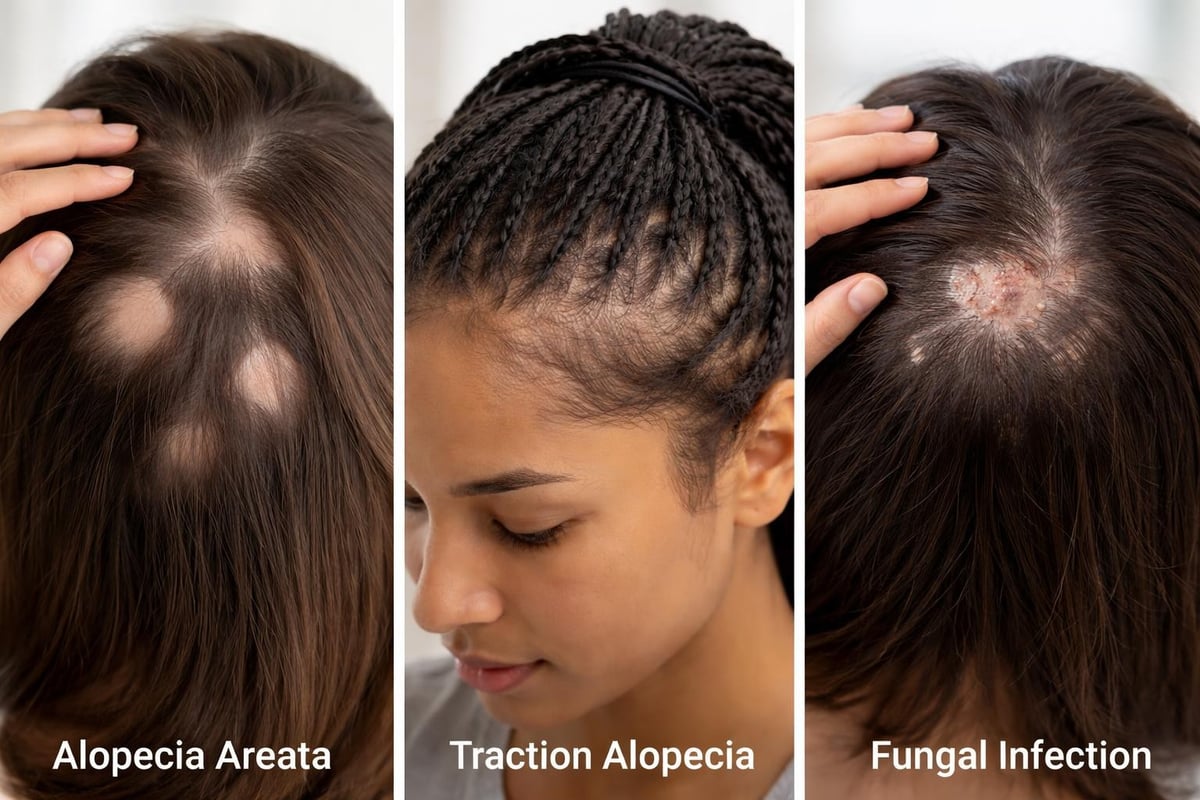
Alopecia areata represents one of the most common causes of patchy hair loss. This autoimmune condition occurs when your body's immune system mistakenly attacks hair follicles, leading to sudden hair loss in distinct, round patches.
Key characteristics of alopecia areata include:
- Circular or oval smooth patches devoid of hair
- Rapid onset, often developing within days or weeks
- Potential for complete regrowth, though recurrence is common
- Possible progression to alopecia totalis (complete scalp hair loss) or alopecia universalis (total body hair loss)
- "Exclamation mark" hairs at patch borders
The condition can affect anyone, though it most frequently appears before age 30. Whilst the exact triggers remain under investigation, genetics and environmental factors both play significant roles. Some individuals experience a single episode that resolves spontaneously, whilst others face recurring episodes throughout their lives.
Tinea Capitis and Fungal Infections
Fungal infections of the scalp, particularly tinea capitis, create scaly, inflamed patches where hair breaks off at the surface or falls out completely. These infections are more common in children but can affect adults, especially those with compromised immune systems.
| Infection Type | Symptoms | Age Group Most Affected |
|---|---|---|
| Tinea Capitis | Scaly patches, broken hairs, inflammation | Children aged 3-14 |
| Kerion | Painful, pus-filled swelling, permanent scarring possible | All ages |
| Favus | Yellow crusting, distinct odour, scarring | Rare, all ages |
Traction Alopecia from Styling Practices
Repeated tension on hair follicles from tight hairstyles creates traction alopecia, a preventable form of patchy hair loss. This condition develops gradually, typically affecting the hairline, temples, and areas where pulling is most concentrated.
Common styling practices that contribute to traction alopecia:
- Tight ponytails, buns, or topknots
- Braids, cornrows, or extensions
- Heavy hair accessories
- Chemical treatments combined with tension
- Aggressive brushing or combing
Early intervention can reverse traction alopecia, but prolonged tension may cause permanent follicle damage.
Medical Conditions and Medications That Cause Patchy Hair Loss
Beyond primary hair loss disorders, numerous systemic conditions and pharmaceutical treatments can trigger bald patches in hair. Understanding these connections helps identify whether your hair loss signals a broader health concern requiring medical attention.
Hormonal Imbalances and Endocrine Disorders
Thyroid dysfunction, whether hyperthyroidism or hypothyroidism, frequently manifests through changes in hair growth patterns. Information from Healthdirect Australia indicates that hormonal disruptions can create diffuse thinning or patchy loss, often accompanied by other systemic symptoms.
Endocrine conditions linked to patchy hair loss:
- Polycystic ovary syndrome (PCOS)
- Thyroid disorders
- Adrenal insufficiency
- Pituitary dysfunction
- Hyperandrogenism
Women experiencing hormonal fluctuations during pregnancy, postpartum periods, or menopause may notice temporary patches of thinning or loss that typically resolve once hormonal balance returns.
Medication Side Effects
Certain medications list hair loss as a potential adverse effect. Whilst chemotherapy drugs are well-known for causing complete hair loss, other medications may create patchy thinning.
| Medication Class | Examples | Hair Loss Pattern |
|---|---|---|
| Anticoagulants | Warfarin, heparin | Diffuse or patchy thinning |
| Beta-blockers | Metoprolol, propranolol | Gradual thinning |
| Antidepressants | Various SSRIs | Variable patterns |
| Retinoids | Isotretinoin | Temporary thinning |
| Immunosuppressants | Various | Patchy or diffuse |
Never discontinue prescribed medications without consulting your healthcare provider. Alternative treatments or adjusted dosages may minimise hair loss whilst maintaining therapeutic benefits.
Lifestyle Factors and Environmental Triggers
Daily habits and environmental exposures significantly influence hair health, with certain practices directly contributing to the development of bald patches in hair. Recognising these modifiable factors empowers you to take preventative action.
Nutritional Deficiencies and Diet
Hair follicles require specific nutrients to maintain healthy growth cycles. Deficiencies in key vitamins and minerals can disrupt this process, leading to weakened hair that breaks easily or enters premature resting phases.
Critical nutrients for hair health include:
- Iron: Essential for oxygen transport to follicles
- Zinc: Supports protein synthesis and cell division
- Biotin: Promotes keratin production
- Vitamin D: Activates hair follicle cycling
- Protein: Provides building blocks for hair structure
- Omega-3 fatty acids: Nourishes scalp and reduces inflammation
Crash diets, restrictive eating patterns, or malabsorption disorders can create multiple deficiencies simultaneously, accelerating hair loss. A balanced diet rich in whole foods typically provides adequate nutrition for healthy hair growth.
Stress and Telogen Effluvium
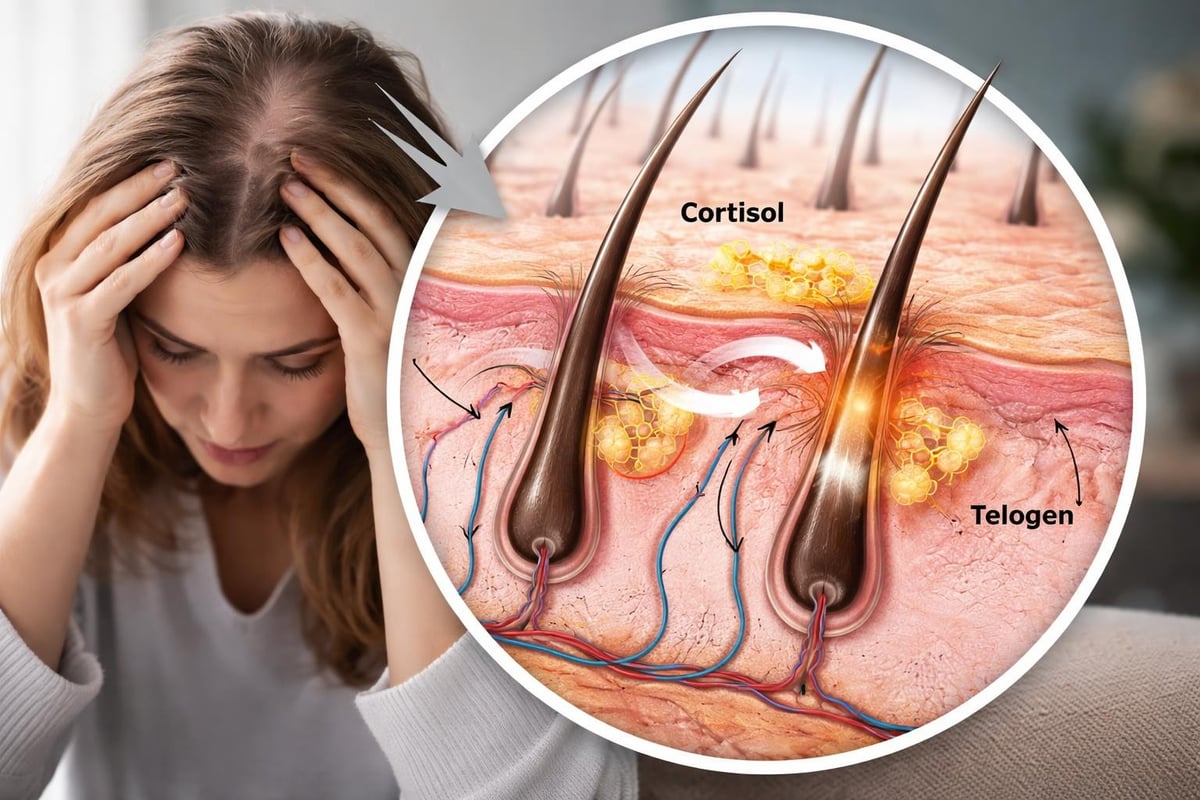
Severe physical or emotional stress can trigger telogen effluvium, a condition where large numbers of hair follicles simultaneously enter the resting phase. Whilst this typically creates diffuse thinning rather than distinct patches, some individuals develop more localised areas of loss.
Common stress triggers include:
- Major surgery or serious illness
- Significant weight loss
- High fever or severe infection
- Childbirth
- Emotional trauma or prolonged anxiety
- Sleep deprivation
Hair loss from telogen effluvium typically appears two to three months after the triggering event and usually resolves within six months once the stressor is addressed.
Diagnostic Approaches and Medical Evaluation
Accurately identifying the cause of bald patches in hair requires thorough evaluation by a qualified healthcare professional. Self-diagnosis can lead to inappropriate treatments that waste time and resources whilst the underlying condition progresses.
Clinical Examination Techniques
Dermatologists employ various examination methods to assess hair loss patterns and determine likely causes. The pull test involves gently tugging hair sections to evaluate shedding rates, whilst dermoscopy provides magnified views of the scalp and follicles.
Your physician will likely inquire about:
- Timeline and progression of hair loss
- Family history of hair loss conditions
- Recent illnesses, surgeries, or significant life events
- Current medications and supplements
- Dietary habits and restrictions
- Hair care practices and styling routines
Laboratory Testing and Biopsies
Blood tests can reveal underlying conditions contributing to hair loss. Standard panels often include thyroid function tests, complete blood counts, iron studies, and hormone levels.
| Test Type | Purpose | What It Reveals |
|---|---|---|
| TSH, T3, T4 | Thyroid function | Hypo/hyperthyroidism |
| Ferritin | Iron stores | Iron deficiency |
| Complete Blood Count | Overall health | Anaemia, infection |
| ANA | Autoimmune markers | Lupus, other conditions |
| Hormone Panel | Endocrine function | PCOS, adrenal issues |
Scalp biopsies, though less common, provide definitive diagnoses for complex cases. This procedure involves removing small tissue samples for microscopic examination, helping distinguish between scarring and non-scarring alopecia types.
Treatment Options and Management Strategies
Addressing bald patches in hair requires a multifaceted approach tailored to the underlying cause, severity, and individual circumstances. Research highlighted by Patient.info demonstrates that treatment success varies considerably between individuals and conditions.
Medical Interventions
For autoimmune-related hair loss, corticosteroid injections directly into affected patches can suppress the immune response and stimulate regrowth. These treatments work best for limited areas and may require multiple sessions.
Topical treatments include:
- Minoxidil solution (promotes hair growth)
- Corticosteroid creams or ointments
- Anthralin cream (irritant therapy)
- Topical immunotherapy agents
Systemic medications such as JAK inhibitors show promise for extensive alopecia areata, though they carry potential side effects requiring careful monitoring. FamilyDoctor.org provides additional insights into various treatment approaches.
Light Therapy and Alternative Approaches
Low-level laser therapy (LLLT) stimulates cellular activity within hair follicles, potentially encouraging regrowth in certain types of hair loss. Whilst evidence remains mixed, some individuals report positive results with consistent use.
Platelet-rich plasma (PRP) injections represent an emerging treatment where concentrated platelets from your own blood are injected into the scalp. The growth factors theoretically stimulate dormant follicles, though long-term efficacy data remains limited.
Cosmetic Solutions and Confidence Building
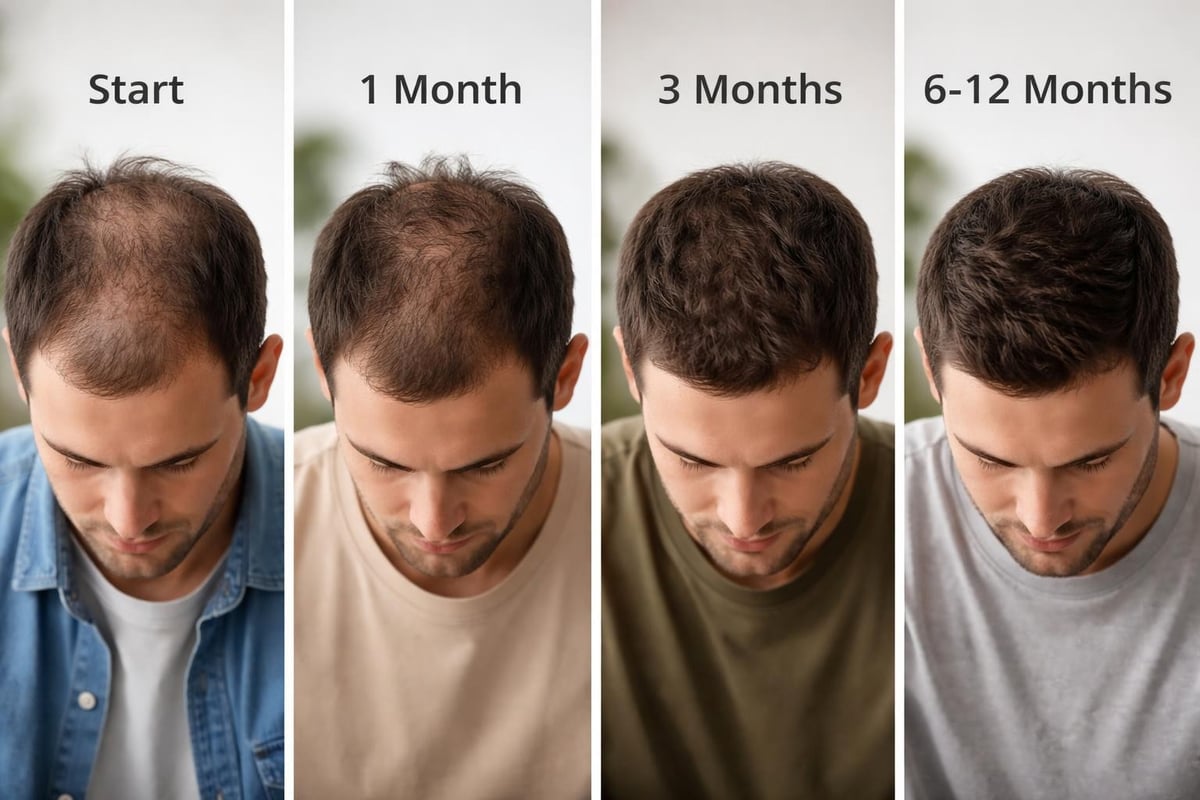
Whilst medical treatments address the root causes of bald patches in hair, cosmetic solutions provide immediate visual improvement that significantly impacts self-esteem and quality of life. These options are particularly valuable during the months-long wait for medical treatments to take effect.
Hair Thickening Products and Concealers
Modern hair loss concealers have evolved dramatically, offering natural-looking coverage that withstands daily activities. The best hair loss concealer products utilise advanced formulations that bond to existing hair and scalp, creating the appearance of fuller, denser coverage.
Benefits of quality hair thickening sprays:
- Immediate visual results
- Water and sweat resistant formulations
- Natural colour matching for seamless blending
- Easy application requiring minimal time
- Removable with regular shampooing
- Compatible with medical treatments
These products work by depositing microscopic fibres that cling electrostatically to existing hair, filling gaps and creating volume. The effect is remarkably natural when properly applied, allowing users to engage in social and professional activities without self-consciousness.
Strategic Styling and Camouflage Techniques
Hairstyle choices dramatically affect how noticeable bald patches appear. Working with an experienced stylist familiar with hair loss challenges helps identify cuts and styles that maximise coverage whilst maintaining a fashionable appearance.
Effective styling strategies include:
- Adding layers to create movement and volume
- Using side parts to redistribute hair over thinner areas
- Incorporating texture to reduce visible scalp contrast
- Selecting colours that minimise scalp visibility
- Avoiding overly sleek styles that emphasise thinning
Combining professional styling with quality concealer products creates comprehensive coverage that looks authentic in various lighting conditions and viewing angles.
Prevention Strategies and Long-Term Hair Health
Proactive measures protect against preventable causes of bald patches in hair whilst supporting overall follicle health. Implementing these strategies benefits everyone, regardless of current hair loss status.
Gentle Hair Care Practices
Minimising mechanical stress on hair follicles prevents traction-related damage. Choose loose hairstyles, use fabric-covered elastics, and alternate styling patterns to distribute tension across different scalp areas.
Recommended hair care habits:
- Wash with lukewarm water rather than hot
- Use wide-toothed combs on wet hair
- Pat dry gently instead of vigorous rubbing
- Limit heat styling frequency and temperature
- Apply heat protectant products before styling
- Choose sulphate-free shampoos for sensitive scalps
Understanding that studies point to new use of modified protein to fight against hair loss demonstrates the ongoing research into protective and restorative treatments.
Scalp Health Maintenance
A healthy scalp environment supports optimal hair growth. Regular gentle massage increases blood circulation to follicles, whilst maintaining appropriate moisture balance prevents inflammation and flaking.
| Practice | Frequency | Benefit |
|---|---|---|
| Scalp massage | 2-3 times weekly | Improves circulation |
| Exfoliation | Monthly | Removes buildup |
| Deep conditioning | Weekly | Nourishes follicles |
| Sun protection | Daily when exposed | Prevents damage |
| Professional scalp treatments | Quarterly | Addresses specific issues |
Avoiding harsh chemicals, excessive colouring, and tight protective styles allows follicles to function optimally without added stress.
Psychological Impact and Support Resources
The emotional toll of discovering bald patches in hair extends far beyond physical appearance. Hair loss affects self-perception, social interactions, and mental wellbeing in ways that deserve recognition and appropriate support.
Emotional Responses and Coping Mechanisms
Individuals experiencing patchy hair loss commonly report feelings of embarrassment, anxiety, and decreased self-confidence. These responses are normal and valid, reflecting the significant role hair plays in personal identity and social presentation.
Effective coping strategies include:
- Connecting with support groups of others experiencing similar challenges
- Working with therapists specialising in body image concerns
- Educating family and friends about your condition
- Focusing on controllable aspects of appearance
- Celebrating small improvements and regrowth milestones
The broader context of hair loss news helps contextualise individual experiences within larger community narratives.
Building Confidence Through Action
Taking active steps to address bald patches in hair, whether through medical treatments, cosmetic solutions, or both, provides a sense of control that counteracts feelings of helplessness. Each positive action, no matter how small, contributes to improved psychological wellbeing.
Setting realistic expectations prevents disappointment. Hair regrowth takes time, and not all treatments work equally for everyone. Patience combined with consistent effort yields the best outcomes. Meanwhile, cosmetic concealers offer immediate confidence whilst waiting for medical interventions to produce results.
Understanding the causes behind bald patches in hair and exploring the range of available solutions empowers you to take control of your hair health journey. Whether you're addressing underlying medical conditions, implementing preventative care strategies, or seeking immediate cosmetic improvement, multiple effective options exist. RESTRAND LTD specialises in instant hair thickening sprays and concealers that provide natural-looking coverage for bald patches and thinning areas, helping you regain confidence whilst pursuing long-term solutions. Discover how our clinically-tested products can transform your appearance and restore your self-assurance today.