Thinning hair affects millions of people across the UK, impacting confidence and self-esteem in profound ways. As hair density decreases with age, hormonal changes, or medical conditions, many individuals seek effective solutions to restore volume and fullness. Whilst surgical interventions and pharmaceutical treatments offer long-term options, styling products specifically formulated to enhance hair thickness provide immediate cosmetic improvements. Among these solutions, specialised formulations designed to plump individual strands have gained considerable popularity within the hair care industry, offering a non-invasive approach to achieving fuller-looking hair.
Understanding Hair Thickening Formulations
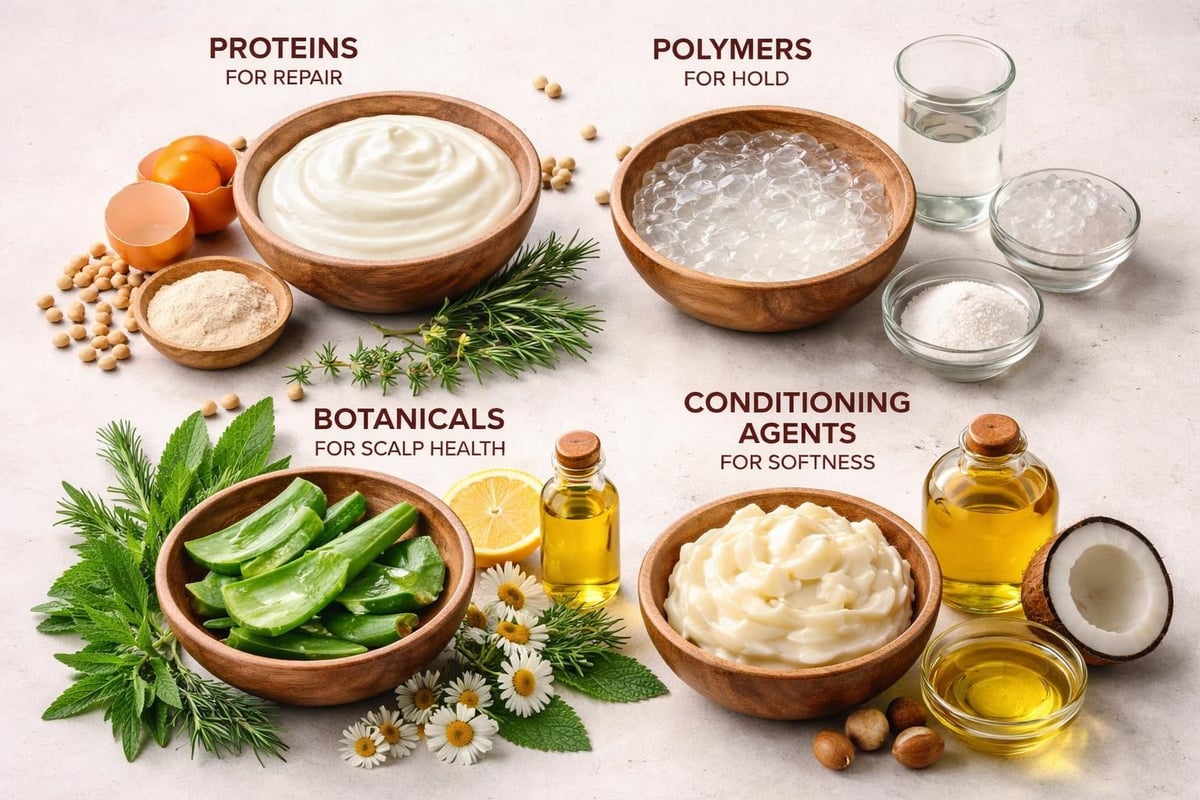
Hair styling products designed to enhance volume work through several distinct mechanisms that target both the hair shaft and the scalp. These formulations typically contain polymers, proteins, and conditioning agents that coat each strand, creating the appearance of increased diameter.
The science behind these products centres on temporary structural modification. When applied to hair, specialised ingredients adhere to the cuticle layer, building up the strand's circumference. This process doesn't alter the actual biological structure of hair follicles but provides an immediate visual improvement.
Key Ingredients That Build Volume
Modern formulations incorporate several active components that work synergistically:
- Hydrolysed proteins (keratin, wheat, silk) that bind to damaged areas along the hair shaft
- Panthenol (Pro-Vitamin B5) for moisture retention and strand swelling
- Polymers and resins that create flexible hold whilst adding body
- Botanical extracts such as biotin, caffeine, and saw palmetto for scalp health
- Volumising silicones that provide slip and separation between strands
Products like Alfaparf Milano’s thickening cream exemplify this approach, combining multiple technologies to deliver comprehensive volume enhancement. The formulation strategy balances immediate cosmetic benefits with long-term hair health considerations.

Application Techniques for Maximum Results
Proper application significantly influences the effectiveness of any volumising styling product. The method, timing, and quantity all contribute to the final outcome, particularly for those dealing with fine or thinning hair.
Step-by-Step Application Process
- Start with freshly washed, towel-dried hair to ensure optimal product absorption
- Dispense a small amount (typically pea-sized for short hair, increasing for longer lengths)
- Distribute evenly through roots and mid-lengths using fingertips or a wide-tooth comb
- Focus on problem areas where thinning is most noticeable
- Style as desired using heat tools or air-drying techniques
- Avoid over-application which can weigh hair down rather than lift it
Many professionals recommend working the product through damp hair rather than soaking wet or completely dry strands. This approach allows for better distribution whilst preventing the dilution of active ingredients. Surface Hair’s Awaken Thickening Cream provides detailed guidance on application methods that maximise volume without creating stiffness.
The temperature of your styling tools matters significantly. Moderate heat activates certain ingredients whilst excessive temperatures can damage already fragile strands. Those exploring spray-on hair solutions may find complementary benefits when layering different product types.
Comparing Formulation Types and Technologies
| Product Category | Primary Benefit | Best For | Application Timing | Hold Strength |
|---|---|---|---|---|
| Cream-based | Moisture + volume | Fine to medium hair | Damp hair | Light to medium |
| Mousse formulas | Lightweight lift | Very fine hair | Wet hair | Medium |
| Spray products | Quick coverage | Thinning patches | Dry hair | Varies |
| Serum concentrates | Targeted treatment | Specific areas | Damp or dry | Minimal |
This comparison demonstrates the diverse approaches available within the volumising product category. Each formulation type serves distinct purposes depending on hair texture, severity of thinning, and desired styling outcome.
Ingredient Analysis and Performance Factors
The effectiveness of thickening cream formulations depends heavily on the concentration and quality of active ingredients. Understanding these components helps consumers make informed purchasing decisions.
Protein-Based Technologies
Hydrolysed proteins represent one of the most effective volumising agents. These molecules are small enough to penetrate the hair cuticle, filling gaps in the cortex whilst also coating the exterior. Keratin proteins, being structurally similar to natural hair composition, provide particularly strong bonding.
Benefits include:
- Temporary repair of damaged cuticles
- Increased strand diameter through protein deposition
- Enhanced shine and smoothness
- Improved manageability for styling
King Brown’s formulation incorporates advanced protein complexes alongside Procapil and Trichogen, compounds that support scalp health whilst delivering immediate cosmetic improvements.
Volumising Polymers and Their Functions
Synthetic and natural polymers create a thin film around each hair strand, increasing perceived thickness whilst providing structural support. These ingredients also contribute to style retention, allowing voluminous looks to last throughout the day.
Common polymer types include:
- PVP (Polyvinylpyrrolidone) for flexible hold
- Acrylates copolymers for humidity resistance
- VP/VA copolymer for medium-strength styling
- Natural alternatives like chia seed extract and flax gel
The selection and combination of polymers determine whether a product feels stiff, flexible, or completely natural. Premium formulations balance hold with movement, avoiding the helmet-like effect of outdated styling products.
Professional Styling Strategies
Hair professionals employ specific techniques when working with clients experiencing thinning hair. These methods maximise the effectiveness of volumising products whilst minimising stress on fragile strands.
Sectioning and Targeted Application
Rather than applying product uniformly across the entire head, strategic sectioning allows for concentrated treatment in areas of greatest concern. This approach conserves product whilst delivering more noticeable results where needed most.
Divide hair into four quadrants: crown, both temples, and nape. Assess density in each section and adjust product quantity accordingly. Areas with significant thinning require slightly more product, whilst denser regions need minimal application to avoid weighing down natural volume.
For those dealing with emerging bald patches, combining thickening cream with other cosmetic concealers creates comprehensive coverage. Layering products in the correct order ensures each performs optimally without interference.
Heat Styling Considerations
| Styling Tool | Recommended Temperature | Volume Technique | Product Reactivation |
|---|---|---|---|
| Blow dryer | Medium heat, high speed | Lift at roots using round brush | Partial |
| Flat iron | 150-180°C | Create subtle bends for texture | Minimal |
| Curling iron | 150-175°C | Focus on mid-lengths for body | Moderate |
| Diffuser | Low to medium heat | Scrunch while drying | Good |
Temperature control prevents damage whilst activating the thermoplastic properties of certain ingredients. Products containing heat-activated polymers perform significantly better when styled with appropriate tools.
Addressing Different Hair Types and Concerns
Thickening cream formulations must be selected based on individual hair characteristics. What works brilliantly for one hair type may prove ineffective or counterproductive for another.
Fine hair requires lightweight formulations that won't collapse delicate strands. Pete & Pedro’s THICK Hair Thickening Cream specifically targets this demographic with a light-hold formula that builds volume without residue.
Considerations for various hair types:
- Fine, straight hair: Ultra-lightweight creams with minimal oils
- Fine, wavy hair: Texturising formulas that enhance natural pattern
- Medium density: Balanced formulations with moderate hold
- Coarse, thinning hair: Richer creams with smoothing ingredients
- Curly hair experiencing thinning: Moisture-rich products that define whilst volumising
Individuals experiencing PCOS-related hair loss often have additional scalp sensitivity concerns. Choosing formulations with minimal irritants and maximum nourishment becomes particularly important in these cases.
Long-Term Use and Hair Health
Whilst thickening cream products primarily serve cosmetic purposes, certain formulations incorporate ingredients that support underlying hair health. Regular use of quality products can contribute to improved strand integrity over time.
Cumulative Benefits
Consistent application of protein-rich formulations gradually strengthens the hair shaft. This doesn't reverse genetic hair loss patterns but can reduce breakage and improve the overall condition of existing hair.
Research into ingredients like biotin, caffeine, and peptide complexes suggests potential benefits beyond immediate styling. Shilpa Mashru’s formulation incorporates several of these components, positioning the product as both a styling aid and a treatment system.
Some users report improved manageability and reduced shedding after several weeks of regular use. These observations, whilst anecdotal, align with the protective properties of keratin proteins and moisturising agents found in quality formulations.
Balancing Styling with Hair Preservation
Excessive product use or improper application can lead to buildup, weighing hair down and potentially clogging follicles. Establishing a balanced routine ensures maximum benefits without unintended consequences.
Best practices include:
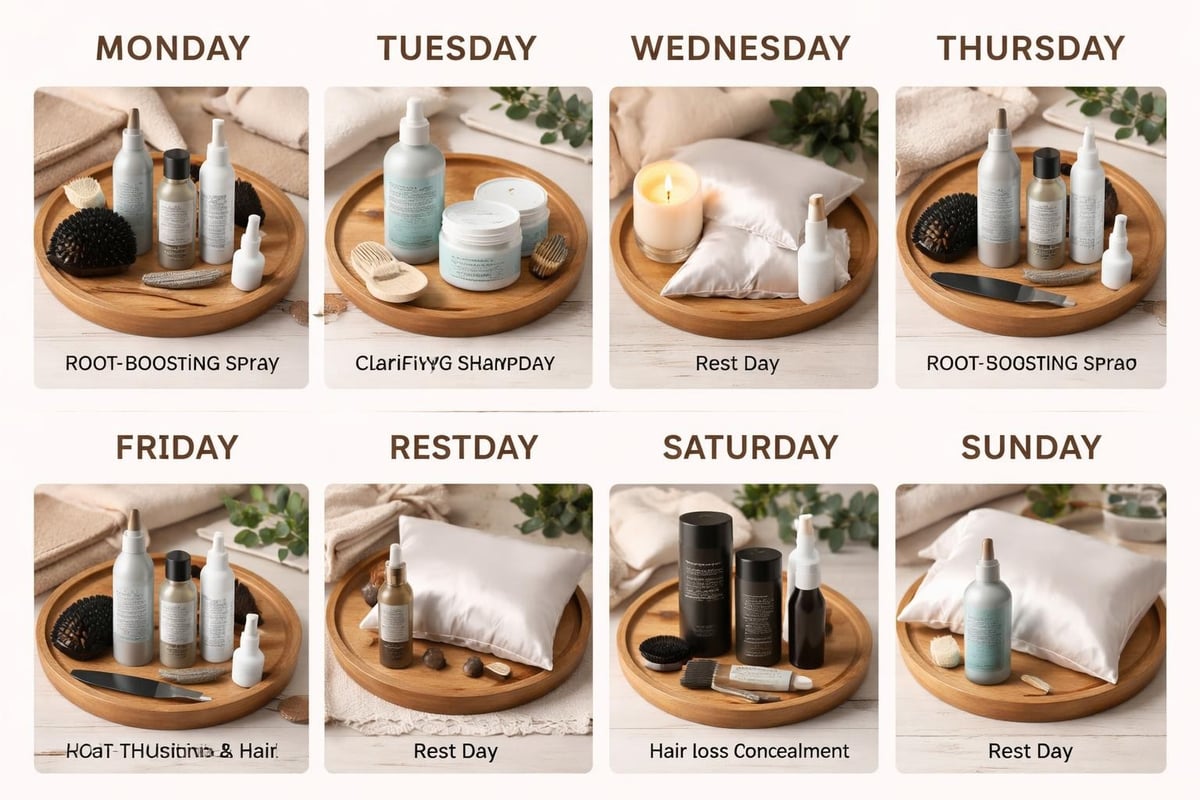
- Thorough washing every 1-2 days to remove product residue
- Weekly clarifying treatments to prevent buildup
- Alternating between different product types to avoid dependency
- Monitoring scalp health for any signs of irritation
- Adjusting quantity based on seasonal humidity and activity levels
Those concerned about ageing hair should pay particular attention to ingredient lists, seeking formulations free from harsh sulphates and drying alcohols that can exacerbate thinning.
Combining Products for Comprehensive Coverage
Many individuals achieve best results by layering multiple product types rather than relying on a single solution. This strategic approach addresses thinning hair from several angles simultaneously.
Complementary Product Systems
A comprehensive routine might include:
- Thickening shampoo and conditioner to prepare the foundation
- Leave-in treatment or serum for scalp health and follicle support
- Volumising thickening cream for styling and immediate fullness
- Finishing spray or powder for targeted coverage of visible scalp
- Hold spray to maintain volume throughout the day
Hair thickening sprays work particularly well as the final step in this layering process. These products adhere to the volumised base created by cream formulations, providing additional coverage for areas where the scalp remains visible.
The order of application proves crucial. Generally, products should be applied from thinnest to thickest consistency, allowing each layer to dry or set before adding the next. Water-based serums go on first, followed by cream products, and finally any powder or spray finishers.
Market Innovations and Emerging Technologies
The hair care industry continues developing new technologies that enhance the performance and benefits of volumising products. Recent innovations focus on longer-lasting results and improved hair health outcomes.
Advanced Delivery Systems
Microencapsulation technology allows active ingredients to release gradually throughout the day, extending the effectiveness of a single application. This approach provides sustained volume and reduces the need for touch-ups.
Nano-particle formulations penetrate deeper into the hair shaft, delivering proteins and nutrients to the cortex rather than merely coating the exterior. These advanced systems promise more substantial structural improvements alongside cosmetic benefits.
Natural and Sustainable Formulations
Consumer demand for clean beauty products has driven development of botanical-based volumisers. Xquisit Luxe’s formulation exemplifies this trend, incorporating plant-derived ingredients that deliver results comparable to synthetic alternatives.
Natural polymers from sources like tapioca, corn, and seaweed provide hold and volume without the environmental concerns associated with certain synthetic ingredients. These formulations appeal to environmentally conscious consumers whilst maintaining performance standards.
Cost Analysis and Value Considerations
Thickening cream products span a wide price range, from budget-friendly options to premium salon formulations. Understanding the factors that justify price differences helps consumers make informed decisions.
| Price Range | Typical Ingredients | Expected Performance | Best Value For |
|---|---|---|---|
| £8-15 | Basic polymers, simple proteins | Moderate volume, shorter duration | Budget-conscious users, occasional use |
| £16-30 | Quality proteins, botanical extracts | Good volume, medium duration | Daily users seeking reliable results |
| £31-50 | Advanced complexes, treatment ingredients | Excellent volume, all-day hold | Those prioritising performance and hair health |
| £51+ | Premium proteins, innovative technologies | Superior results, additional benefits | Professional use, severe thinning concerns |
Higher-priced products often contain greater concentrations of active ingredients and more sophisticated formulations. However, expensive doesn't always mean better for every individual's specific needs.
Testing products through sample sizes or travel versions allows experimentation without significant financial commitment. Many brands offer discovery sets that include complementary products, providing opportunity to assess entire systems.
Professional Versus Home Application
Whilst professional stylists possess expertise in product selection and application techniques, most thickening cream formulations are designed for easy home use. Understanding when professional guidance adds value versus when self-application suffices helps optimise both results and budget.
When to Seek Professional Advice
Professional consultation proves valuable for:
- Initial assessment of hair loss severity and type
- Custom colour matching when combining with concealment products
- Learning advanced styling techniques for maximum volume
- Addressing underlying scalp conditions affecting product performance
- Developing comprehensive treatment plans for progressive thinning
Many salons now specialise in hair loss solutions, offering consultations that extend beyond basic styling advice. These professionals can recommend specific formulations suited to individual hair characteristics and thinning patterns.
Mastering Home Application
With proper instruction, most individuals can achieve professional-quality results at home. Online tutorials, product-specific guidance, and practice enable users to develop techniques suited to their unique needs.
Investment in quality tools enhances results significantly. Round brushes of varying sizes, diffuser attachments for blow dryers, and sectioning clips facilitate proper application and styling. For those incorporating thickening spray for thinning hair into their routine, precision applicators ensure targeted coverage.
Understanding Product Claims and Expectations
Marketing language surrounding volumising products can create unrealistic expectations. Critically evaluating claims helps consumers distinguish between achievable results and exaggerated promises.
Realistic Outcomes
Quality thickening cream products can deliver:
- 20-50% increase in perceived strand diameter through coating
- Improved styling hold lasting 8-12 hours under normal conditions
- Enhanced manageability making fine hair easier to style
- Temporary concealment of mild to moderate thinning
- Protection against environmental damage during styling
What these products cannot do:
- Reverse genetic hair loss or androgenetic alopecia
- Stimulate new hair growth from dormant follicles
- Permanently alter hair texture or density
- Replace medical treatments for underlying conditions
- Provide complete coverage for severe hair loss
Separating cosmetic improvements from therapeutic claims prevents disappointment and ensures appropriate treatment selection. Those experiencing significant hair loss should consult medical professionals whilst using cosmetic products like thickening cream for immediate aesthetic improvement.
Seasonal Adjustments and Environmental Factors
Hair responds to environmental conditions, requiring product adjustments throughout the year. Understanding these variations optimises performance across different climates and seasons.
Humidity and Weather Considerations
High humidity challenges volumising products, as moisture in the air can relax styling bonds and flatten lifted hair. Summer formulations should incorporate stronger polymers with anti-humidity properties to maintain volume despite environmental moisture.
Conversely, winter's dry conditions can make hair more susceptible to static and flyaways. During colder months, selecting formulations with additional moisturising ingredients prevents the brittleness that undermines volume creation.
Seasonal product modifications:
- Spring: Lightweight formulas with moderate hold for variable conditions
- Summer: Anti-humidity formulations with UV protection
- Autumn: Balanced products addressing transition from humidity to dryness
- Winter: Moisture-rich formulations preventing static whilst maintaining volume
Integration with Medical Hair Loss Treatments
For individuals undergoing medical treatments for hair loss, cosmetic products like thickening cream serve as valuable complementary solutions. Understanding how to safely combine these approaches maximises both aesthetic and therapeutic outcomes.
Those using minoxidil, finasteride, or other pharmaceutical interventions can safely incorporate volumising styling products into their routines. However, timing and application order matter significantly. Medical treatments should be applied to clean, dry scalp and allowed to absorb fully before adding styling products.
Recent studies on protein modifications for hair loss suggest potential synergies between topical treatments and protein-rich styling products. Whilst research continues, current evidence supports the safe concurrent use of both approaches.
Individuals should discuss product selection with their healthcare providers, particularly when using prescription treatments. Some ingredients may interact or reduce the effectiveness of medical therapies, though most cosmetic styling products pose minimal risk.
Thickening cream products offer valuable solutions for individuals seeking immediate volume enhancement and improved styling outcomes for thinning hair. By understanding ingredient technologies, application techniques, and realistic expectations, users can achieve noticeably fuller-looking hair whilst supporting overall strand health. For those requiring more comprehensive coverage of thinning areas and bald patches, RESTRAND LTD provides instant hair thickening sprays specifically designed to cosmetically conceal hair loss, delivering immediate confidence-boosting results that complement any styling routine. Explore the full range of professional-grade solutions tailored to your specific hair restoration needs.