Hair loss affects millions of people across the United Kingdom, with approximately 50% of men and 25% of women experiencing some degree of thinning by the age of 50. Whether you're noticing your first bald patch or have been managing hair loss for years, finding effective solutions for balding hair has become increasingly important in today's image-conscious society. The good news is that modern technology has provided numerous options to address this concern, from medical treatments to innovative cosmetic solutions that deliver instant results.
Understanding the Root Causes of Hair Loss
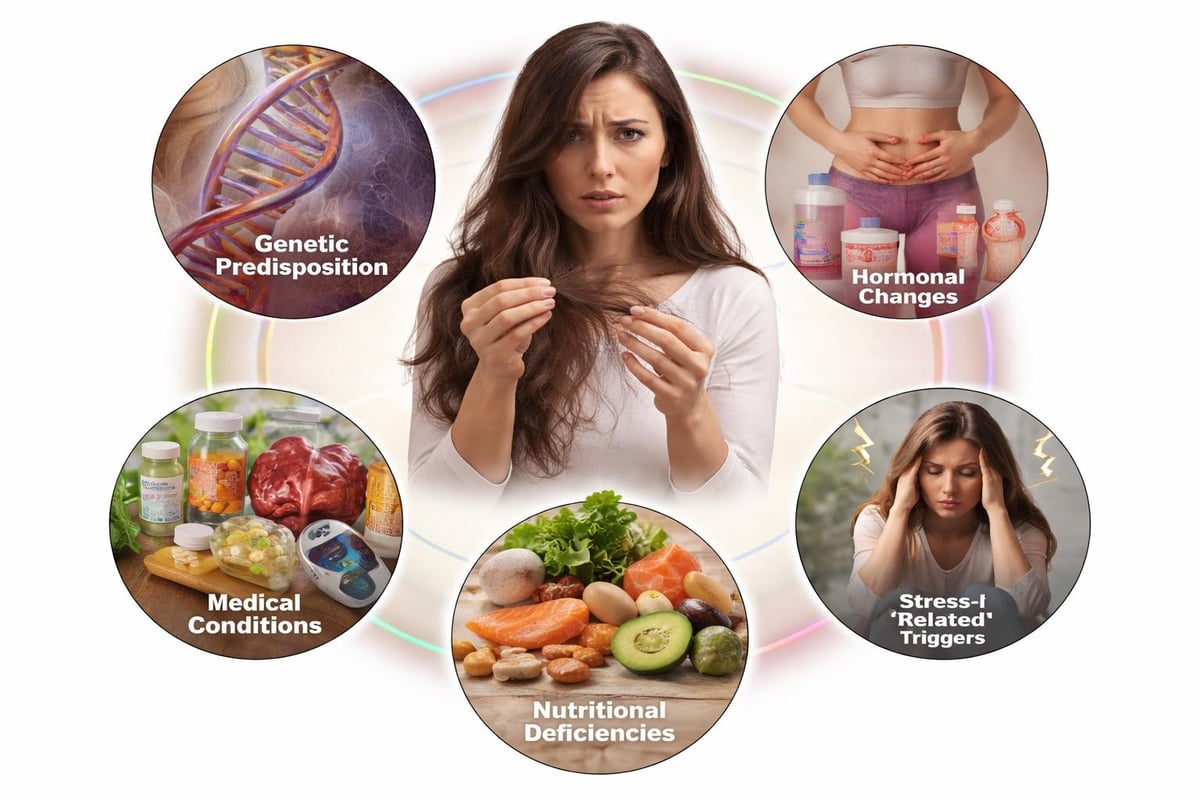
Before exploring solutions for balding hair, it's essential to understand why hair loss occurs in the first place. Hair loss can stem from various factors, including genetics, hormonal changes, medical conditions, and lifestyle choices. Androgenetic alopecia, commonly known as male or female pattern baldness, represents the most prevalent form of hair loss worldwide.
Genetic predisposition plays a significant role in determining whether you'll experience balding. If your parents or grandparents experienced hair loss, you're statistically more likely to face similar challenges. However, genetics alone doesn't tell the complete story.
Hormonal and Medical Factors
Hormonal imbalances can trigger significant hair loss, particularly in women experiencing menopause or thyroid disorders. Autoimmune conditions like alopecia areata occur when the immune system mistakenly attacks hair follicles, leading to patchy hair loss that can be particularly distressing.
Common medical causes include:
- Thyroid disorders (both hyperthyroidism and hypothyroidism)
- Polycystic ovary syndrome (PCOS) in women
- Iron deficiency anaemia
- Chronic stress and anxiety
- Certain medications, including chemotherapy drugs
- Nutritional deficiencies
Understanding these underlying causes helps determine the most appropriate approach for balding hair management. Some conditions respond well to medical intervention, whilst others may require alternative strategies.
Medical Treatment Options for Balding Hair
When seeking solutions for balding hair, many individuals first explore medical treatments. The pharmaceutical industry has developed several FDA-approved medications specifically designed to slow hair loss or promote regrowth.
Topical and Oral Medications
Minoxidil, available over the counter, remains one of the most accessible treatments for thinning hair. Applied directly to the scalp, this topical solution can help stimulate hair growth and slow the progression of balding. Results typically become visible after four to six months of consistent use.
Finasteride, available by prescription for men, works by blocking the conversion of testosterone to dihydrotestosterone (DHT), the hormone responsible for shrinking hair follicles in androgenetic alopecia. However, potential side effects warrant careful consideration and medical supervision.
| Treatment Type | Application Method | Typical Results Timeline | Requires Prescription |
|---|---|---|---|
| Minoxidil | Topical (twice daily) | 4-6 months | No |
| Finasteride | Oral (daily) | 3-6 months | Yes (men only) |
| Platelet-Rich Plasma | Injection (monthly) | 3-4 months | Yes |
| Low-Level Laser Therapy | Device application | 6-12 months | No |
Surgical Interventions
Hair transplant procedures have advanced significantly over recent decades. Follicular unit extraction (FUE) and follicular unit transplantation (FUT) involve relocating healthy hair follicles from donor areas to balding regions. These diagnosis and treatment options offer permanent solutions but come with substantial financial investment and recovery time.
Nutritional Approaches for Healthier Hair
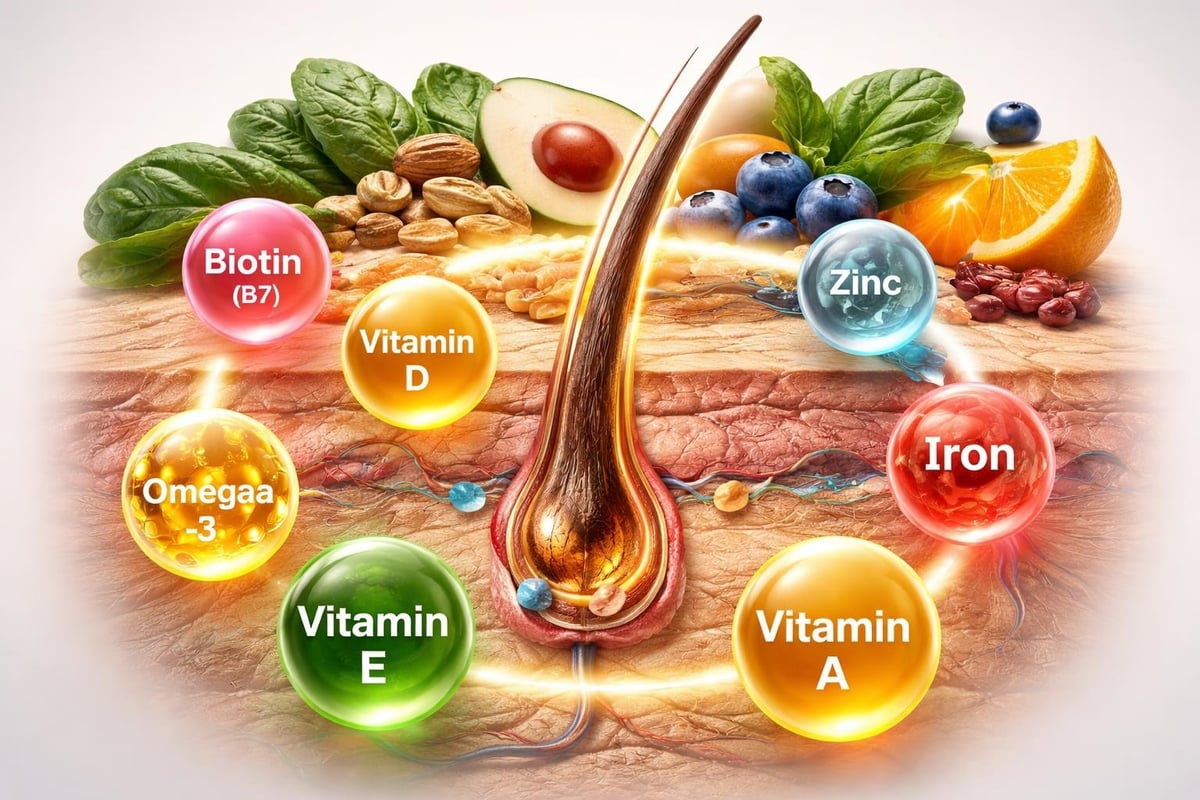
The connection between nutrition and hair health cannot be overstated. Dietary choices significantly impact the body's ability to maintain healthy hair growth. Solutions for balding hair often include addressing nutritional deficiencies that may contribute to the problem.
Essential nutrients for hair health include:
- Protein: Hair follicles consist primarily of protein called keratin
- Iron: Crucial for oxygen transport to hair follicles
- Vitamin D: Supports the creation of new hair follicles
- B vitamins: Particularly biotin, which strengthens hair structure
- Omega-3 fatty acids: Promote scalp health and reduce inflammation
- Zinc: Essential for hair tissue growth and repair
Understanding why hair falls out often reveals nutritional gaps that can be addressed through dietary changes or supplementation. A balanced diet rich in fruits, vegetables, lean proteins, and healthy fats provides the foundation for optimal hair health.
Cosmetic Solutions for Immediate Results
Whilst medical treatments and nutritional approaches address the underlying causes of hair loss, they require patience and don't deliver instant results. Many people seeking solutions for balding hair need immediate confidence-boosting options that work whilst pursuing long-term strategies.
Hair Thickening Sprays and Fibres
Modern cosmetic technology has revolutionised how we approach hair loss concealment. Hair thickening spray products utilise microscopic fibres that bind to existing hair through static electricity, creating the appearance of significantly fuller, thicker hair within seconds.
These products offer several advantages for those managing balding:
- Instant visual improvement in hair density
- Water-resistant formulations for all-weather confidence
- Natural-looking results when properly applied
- No side effects or medical concerns
- Cost-effective compared to surgical options
- Can be used alongside medical treatments
The application process is straightforward. After styling hair as desired, the spray is applied to thinning areas from approximately 15-20 centimetres away. The fibres settle amongst existing hairs, creating an optical illusion of volume and coverage.
Strategic Styling and Concealment
For those exploring options for balding hair, strategic hairstyling can make a remarkable difference. Working with a knowledgeable hairdresser who understands hair loss can help identify cuts and styles that maximise existing hair whilst minimising the appearance of thinning areas.
Texturising products, volumising mousses, and root-lifting sprays complement concealment fibres, creating a comprehensive approach to managing visible hair loss. The combination of spray-on hair technology with proper styling techniques delivers professional-looking results.
Gender-Specific Considerations
Hair loss manifests differently in men and women, requiring tailored approaches for balding hair management. Recognising these differences helps identify the most effective solutions.
Women and Hair Loss
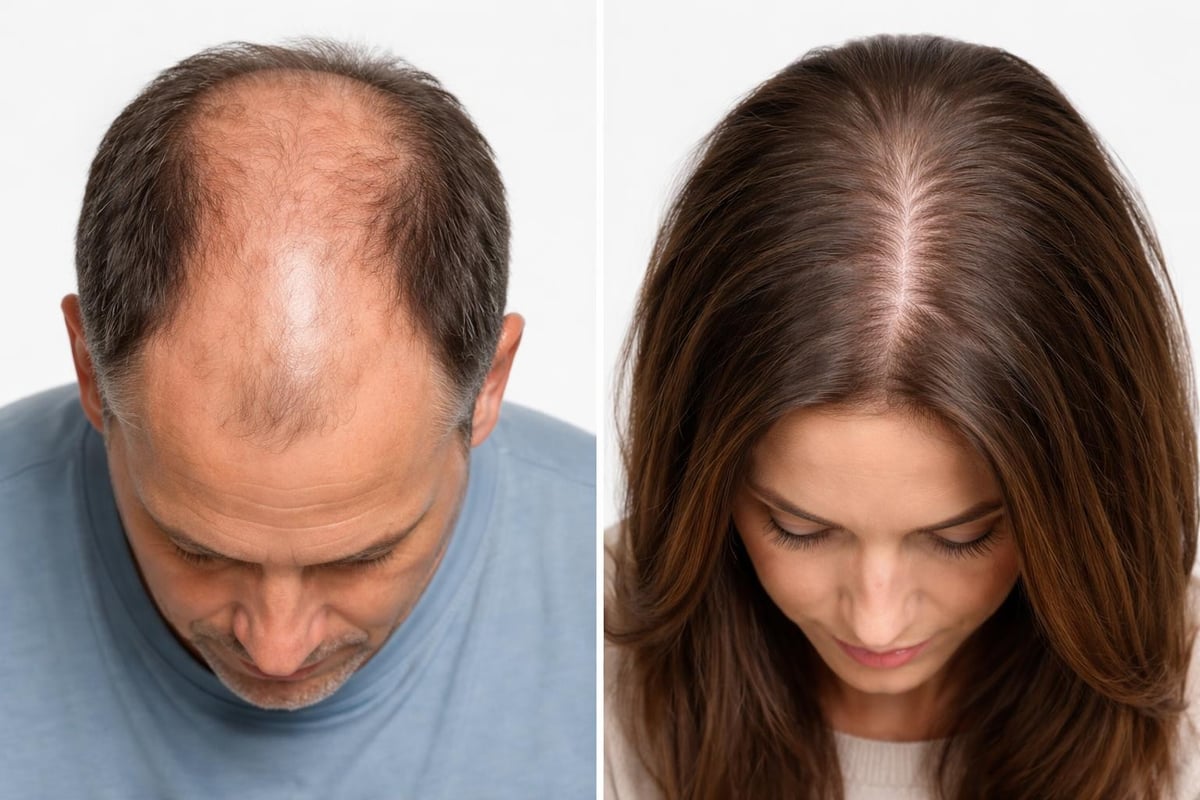
Female pattern hair loss typically presents as diffused thinning across the crown rather than distinct bald patches. Common causes of hair loss in women include hormonal fluctuations related to pregnancy, menopause, and conditions like PCOS.
Women often face unique emotional challenges when experiencing hair loss, as societal expectations around female appearance remain particularly stringent. Understanding tips for tackling PCOS hair loss can provide targeted support for those dealing with hormone-related thinning.
Male Pattern Baldness
Men typically experience hair loss in predictable patterns, beginning with receding hairlines and thinning at the crown. The Norwood scale classifies male pattern baldness into seven stages, helping individuals identify their level of hair loss and appropriate interventions.
For those discovering an emerging bald patch, early intervention often yields the best results. Combining medical treatments with cosmetic concealment provides comprehensive coverage whilst pursuing long-term solutions.
Lifestyle Modifications for Hair Health
Beyond medical treatments and cosmetic solutions, lifestyle choices significantly impact hair health. Implementing positive changes can slow hair loss progression and support overall wellbeing.
Stress Management
Chronic stress contributes to telogen effluvium, a condition where significant numbers of hair follicles simultaneously enter the resting phase, leading to noticeable shedding several months later. Managing stress through meditation, exercise, adequate sleep, and counselling provides substantial benefits for hair health.
Stress-reduction techniques include:
- Regular physical exercise (at least 150 minutes weekly)
- Mindfulness meditation and deep breathing exercises
- Adequate sleep (7-9 hours nightly)
- Social connection and support networks
- Professional counselling when needed
Gentle Hair Care Practices
How you treat your existing hair matters considerably when managing thinning. Aggressive brushing, tight hairstyles, excessive heat styling, and harsh chemical treatments accelerate hair loss and damage remaining strands.
| Hair Care Practice | Recommended Approach | What to Avoid |
|---|---|---|
| Washing | 2-3 times weekly with gentle shampoo | Daily washing, harsh sulphates |
| Brushing | Wide-tooth comb on wet hair | Aggressive brushing, fine-tooth combs |
| Styling | Air-dry when possible, heat protectant | Daily heat styling above 180°C |
| Treatments | Natural oils, gentle conditioning | Harsh chemicals, tight braiding |
The Psychological Impact of Hair Loss
The emotional toll of experiencing hair loss often equals or exceeds the physical changes. Understanding solutions for balding hair includes acknowledging the psychological aspects and seeking appropriate support.
Research consistently demonstrates that hair loss negatively impacts self-esteem, social interactions, and overall quality of life. Many individuals report feeling older, less attractive, and less confident when experiencing visible thinning or balding.
Building Confidence During Hair Loss
Accepting hair loss whilst actively managing it represents a balanced approach. Support groups, online communities, and professional counselling provide valuable resources for those struggling emotionally with changing appearance.
Cosmetic solutions offer immediate confidence restoration whilst pursuing long-term treatments. The psychological benefit of looking in the mirror and seeing fuller hair cannot be understated, even when using temporary concealment methods.
Combining Multiple Approaches
The most effective strategy for balding hair typically involves combining several approaches tailored to individual circumstances. A comprehensive plan might include:
- Medical consultation to identify underlying causes and potential prescription treatments
- Nutritional optimisation through diet improvements or targeted supplementation
- Lifestyle modifications addressing stress, sleep, and hair care practices
- Cosmetic concealment for immediate confidence and appearance improvement
- Regular monitoring to assess progress and adjust strategies
This multi-faceted approach addresses hair loss from various angles, maximising the likelihood of positive results. Some interventions work synergistically, such as using hair thickening fibres whilst undergoing medical treatment, providing both immediate results and long-term improvement.
Professional Guidance and Resources
Navigating the numerous options for balding hair can feel overwhelming. Professional guidance helps cut through marketing claims and identify evidence-based solutions appropriate for individual situations.
Dermatologists specialising in hair loss can provide accurate diagnosis, prescription treatments when appropriate, and monitoring of treatment progress. Trichologists offer expertise in hair and scalp health, providing detailed analysis and personalised recommendations.
When researching solutions independently, prioritise reputable medical sources over commercial websites with obvious bias. Understanding the various conditions that cause hair loss helps identify which treatments align with specific diagnoses.
Realistic Expectations and Patience
Setting realistic expectations proves crucial when pursuing solutions for balding hair. No treatment delivers overnight miracles, and individual results vary considerably based on genetics, age, overall health, and the specific type of hair loss experienced.
Medical treatments typically require several months before visible improvements appear. Hair growth cycles operate slowly, with follicles progressing through growth, transition, and resting phases that span years. Even successful treatments may only slow progression rather than completely reverse existing loss.
Cosmetic solutions, conversely, provide immediate visual improvement whilst other strategies take effect. This dual approach supports emotional wellbeing during the lengthy process of addressing underlying causes.
Understanding that hair loss represents a common human experience shared by millions worldwide helps normalise the condition. Historical and cultural perspectives on hair reveal that attitudes toward balding vary significantly across times and places.
Managing hair loss requires understanding the underlying causes, exploring appropriate treatment options, and finding solutions that restore confidence whilst addressing the condition. Whether you pursue medical interventions, optimise nutrition, implement lifestyle changes, or choose cosmetic concealment, taking action empowers you to regain control over your appearance. For those seeking immediate results whilst exploring long-term strategies, RESTRAND LTD offers professional-grade hair thickening solutions that deliver natural-looking fullness within seconds, helping you face each day with renewed confidence.