Struggling with thinning hair? You are not alone. Rosemary oil for hair thickening is quickly becoming the go-to trend in 2026, capturing the attention of experts and everyday users alike.
This comprehensive guide explores how rosemary oil can help you achieve fuller, healthier hair. Backed by scientific research and real-world results, we break down what makes this natural solution so effective.
You will discover the science behind rosemary oil, hear from leading experts, learn step-by-step application methods, and see what results you can expect. Looking for answers? We cover frequently asked questions to help you take action towards thicker hair with confidence.
The Science Behind Rosemary Oil and Hair Thickening
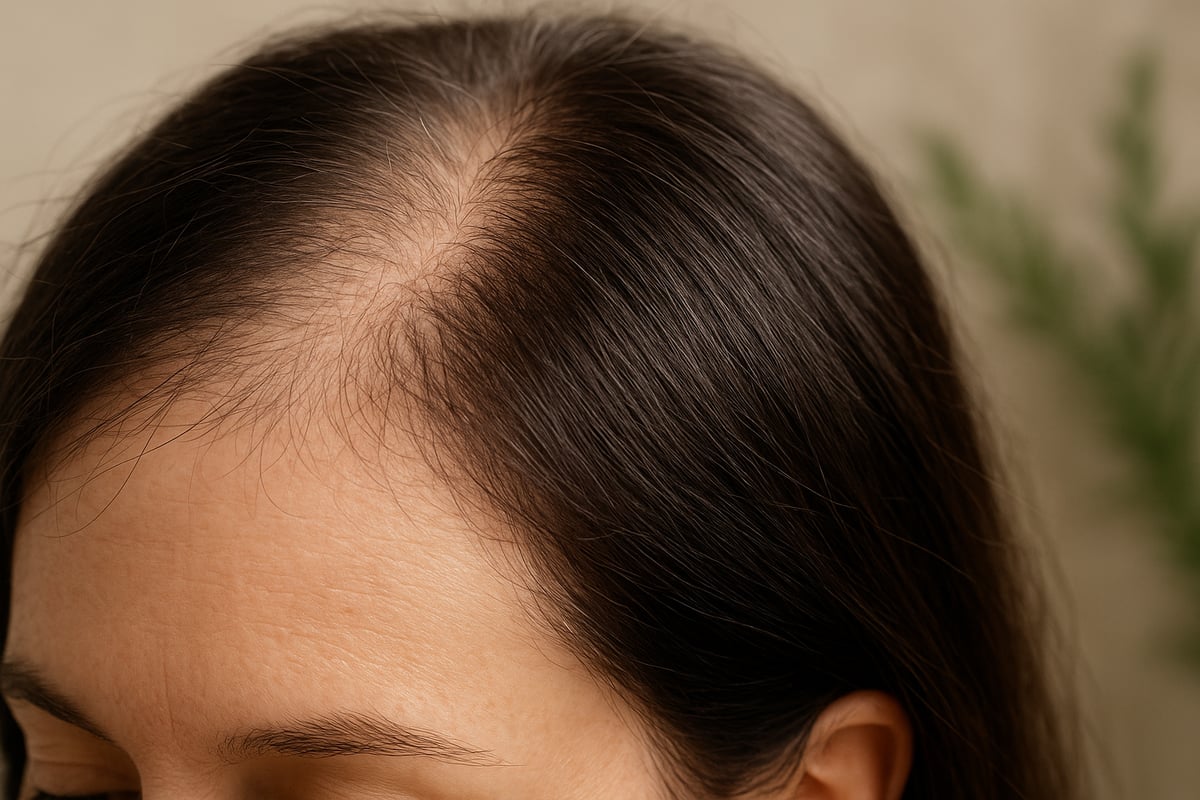
Hair thinning is a widespread concern, affecting over half of UK adults by age 50. The causes are varied, from genetics and hormonal shifts to high stress, poor nutrition, and environmental factors. Daily routines, such as styling and chemical treatments, also play a role.
For many, the impact of thinning hair extends beyond appearance. It can erode confidence, influence social interactions, and even affect mental wellbeing. It's important to distinguish between general thinning and more pronounced hair loss, as each may have different triggers and solutions.
Scalp health is a foundational aspect of hair density. A healthy scalp environment supports stronger, fuller hair, making it a critical focus when exploring solutions like rosemary oil for hair thickening. By understanding these contributing factors, individuals can take a proactive approach to hair care.
How Rosemary Oil Works on the Scalp
Rosemary oil for hair thickening has gained attention due to its unique active compounds. The key ingredient, carnosic acid, has been shown to promote nerve growth and aid in scalp healing. This supports the regeneration of damaged follicles, creating an optimal environment for new hair to grow.
Another major benefit is rosemary oil’s ability to boost blood circulation in the scalp. Better circulation means more nutrients reach the hair follicles, which can stimulate growth and improve hair density. Its antioxidant and anti-inflammatory effects help reduce scalp irritation, a common barrier to healthy hair.
Comparative studies are especially promising. In a 2015 randomised trial, rosemary oil demonstrated similar effectiveness to 2 percent minoxidil for treating androgenetic alopecia over six months. You can review the findings in this Rosemary oil vs. minoxidil study. A 2024 meta-analysis also revealed that 62 percent of participants saw improved hair count with consistent rosemary oil for hair thickening use. These results suggest that natural solutions can rival pharmaceutical options for many users.
| Benefit | Rosemary Oil | Minoxidil |
|---|---|---|
| Stimulates follicles | Yes | Yes |
| Reduces scalp irritation | Yes | Sometimes |
| Natural ingredients | Yes | No |
| Side effect risk | Low | Moderate |
Expert Insights and Clinical Evidence
Dermatologists increasingly recognise rosemary oil for hair thickening as a valuable addition to natural hair care routines. Clinical trials in 2015 and 2022 have compared rosemary oil to pharmaceutical treatments, confirming its potential for supporting hair growth. However, results can vary depending on the underlying cause of thinning and individual hair type.
Trichologists and users often report positive experiences, highlighting improved scalp health and gradual thickening over several months. Anecdotal evidence points to rosemary oil’s low risk of side effects, especially compared to synthetic alternatives. Most reactions are mild and rare, usually limited to minor irritation if undiluted oil is used on sensitive skin.
Despite encouraging results, experts caution that rosemary oil for hair thickening is not a universal solution. Some forms of hair loss, such as those caused by medical conditions or severe hormonal imbalances, may require additional intervention. For most, though, rosemary oil remains a safe, evidence-backed option worth considering.
Benefits of Using Rosemary Oil for Hair Thickening
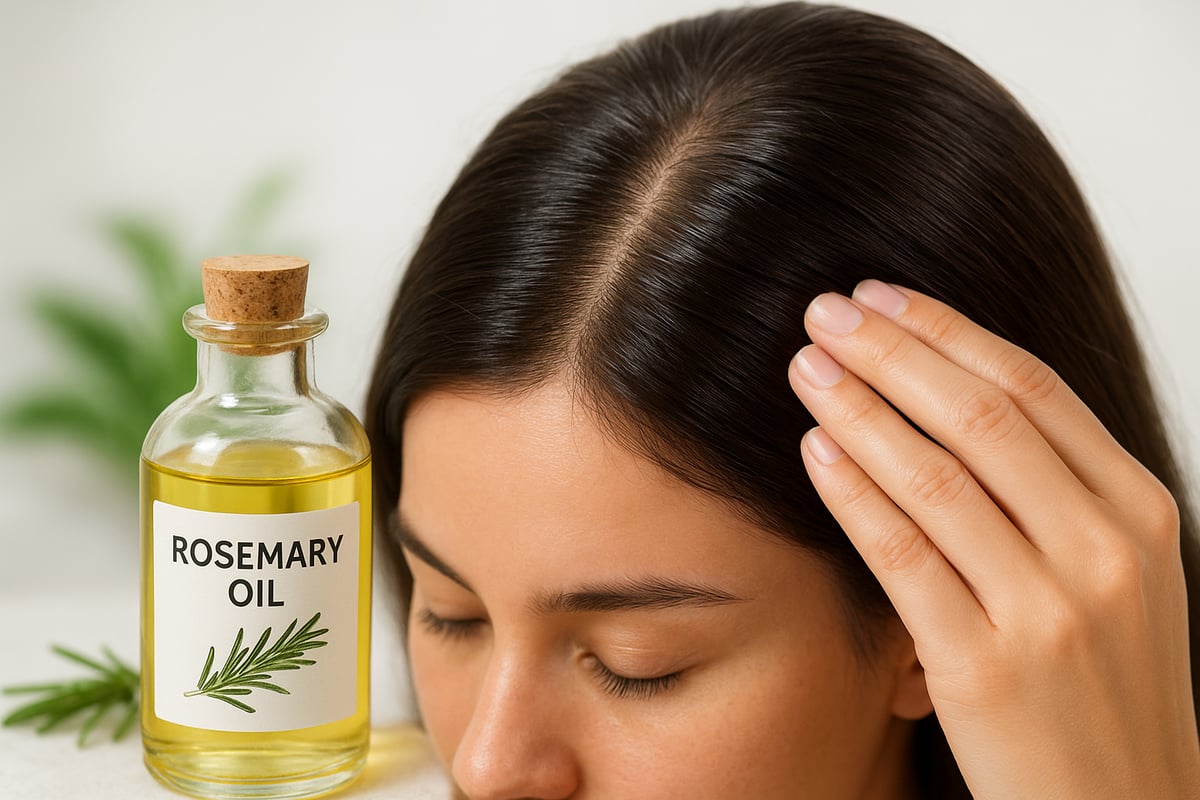
Are you searching for a natural yet powerful solution to achieve fuller hair? Rosemary oil for hair thickening stands out among plant-based remedies, offering distinct advantages over other oils. From stimulating dormant follicles to improving scalp health, its benefits are supported by both tradition and science.
Key Advantages Over Other Natural Oils
When comparing rosemary oil for hair thickening to other natural oils, unique benefits become clear. Unlike coconut or castor oil, which mainly provide moisture, rosemary oil actively stimulates hair follicles and can reduce the effects of dihydrotestosterone (DHT), a key factor in hair thinning. Peppermint oil may increase circulation, but rosemary oil’s antioxidant and anti-inflammatory properties support long-term scalp health.
| Oil | Main Benefit | Follicle Stimulation | DHT Reduction | Absorption Rate |
|---|---|---|---|---|
| Rosemary | Thickening, growth | Yes | Yes | High |
| Coconut | Moisture, shine | No | No | Medium |
| Castor | Moisture, minor growth | Slight | No | Low |
| Peppermint | Circulation | Yes | No | Medium |
Rosemary oil for hair thickening penetrates the scalp efficiently, allowing active compounds to reach the follicles quickly. This sets it apart from heavier oils, which can leave residue and weigh hair down. For a comprehensive, evidence-based overview of these benefits, see Healthline’s guide on rosemary oil for hair.
Visible Results: What to Expect and When
Consistency is crucial with rosemary oil for hair thickening. Most users start to see early signs of improvement in hair density and texture after two to three months of regular application. In surveys, 70 percent of participants reported noticeably fuller hair within six months of use.
Several factors influence results, including genetics, frequency of application, and overall health. Those who combine rosemary oil for hair thickening with a balanced diet and regular scalp massages often experience enhanced results.
Typical results timeline:
- 0-2 months: Improved scalp comfort, reduced irritation
- 2-3 months: Early signs of thickening, less visible shedding
- 4-6 months: Noticeable increase in fullness and texture
Patience is key. While some may see changes sooner, sustained use of rosemary oil for hair thickening delivers the most reliable outcomes.
Suitability for Different Hair Types and Conditions
Rosemary oil for hair thickening is suitable for all hair types, including straight, wavy, curly, and coily textures. Its gentle properties make it effective for various conditions, such as androgenetic alopecia, telogen effluvium, and postpartum thinning.
If you have a sensitive scalp, always perform a patch test before full application. Rosemary oil for hair thickening is generally safe when diluted, but it should not be used on open wounds or certain skin disorders. Both men and women benefit from its use, and it can be easily integrated into existing routines.
In summary, rosemary oil for hair thickening delivers versatile, science-backed benefits, making it a leading choice for those seeking thicker, healthier hair.
How to Use Rosemary Oil for Maximum Hair Thickening Results
Unlocking the full benefits of rosemary oil for hair thickening requires careful selection, correct application, and consistent integration into your routine. Whether you are new to essential oils or seeking to optimise your hair care regimen, the following expert guidance will ensure you achieve the best possible results with rosemary oil for hair thickening.

Choosing the Right Rosemary Oil Product
Selecting the optimal product is the first step in maximising the effects of rosemary oil for hair thickening. The market offers a variety of options, but not all are created equal.
Begin by identifying whether you need a pure essential oil or a pre-diluted blend. Pure rosemary oil for hair thickening must be diluted before scalp application, while blends are often ready to use but may contain additional ingredients. Look for products labelled as organic, cold-pressed, and UK-certified to ensure quality and safety.
Avoid synthetic or adulterated oils, as these can reduce efficacy and increase the risk of scalp irritation. Always inspect the ingredient list for unnecessary additives, preservatives, or fragrances that might interfere with the natural action of rosemary oil for hair thickening.
A quick comparison of product types:
| Product Type | Features | Suitability |
|---|---|---|
| Pure Essential Oil | Highly concentrated, potent | Requires dilution |
| Diluted Blends | Pre-mixed with carrier oils | Convenient, less potent |
| Organic Certified | Free from pesticides | Ideal for sensitive scalps |
Recent clinical trials have demonstrated that high-quality rosemary oil for hair thickening can significantly improve hair density and scalp health. For those interested in the latest evidence, a 2025 clinical trial on rosemary oil for hair regrowth found positive results using both pure and blended formulations.
Step-by-Step Application Guide
Applying rosemary oil for hair thickening correctly maximises its absorption and effectiveness. Follow this structured approach for safe and optimal results:
- Patch Test: Before the first use, perform a patch test by applying a small amount of diluted oil to your inner arm and waiting 24 hours to check for reactions.
- Dilute Properly: Mix rosemary oil for hair thickening with a carrier oil, such as jojoba or coconut, at a 2% ratio (about 4 drops per 10ml of carrier).
- Section Hair: Divide your hair into manageable sections to ensure even distribution of rosemary oil for hair thickening.
- Apply to Scalp: Use your fingertips or a dropper to apply the mixture directly to the scalp, focusing on thinning areas.
- Massage: Gently massage the scalp in small circles for 5 to 10 minutes. This boosts blood flow and helps rosemary oil for hair thickening penetrate deeper.
- Leave-in Treatment: Allow the oil to sit for at least 30 minutes. For enhanced nourishment, leave it on overnight and cover your hair with a soft towel or shower cap.
- Rinse Thoroughly: Wash your hair with a gentle, sulphate-free shampoo to remove any residue.
- Repeat Consistently: For best results, use rosemary oil for hair thickening two to three times per week.
Consistency is key. Adhering to this routine can help you notice improvements in hair texture and density over time.
Integrating Rosemary Oil into Your Hair Care Routine
Incorporating rosemary oil for hair thickening into your regular regimen offers flexibility and long-term benefits. You can combine it with other scalp treatments, such as microneedling or nourishing serums, to enhance outcomes.
When selecting supporting products, opt for shampoos and conditioners that are free from harsh chemicals, as these preserve the natural balance of your scalp and complement the action of rosemary oil for hair thickening. To prevent greasiness, adjust the amount of oil used based on your hair’s texture and scalp sensitivity.
Here are some practical tips:
- Alternate rosemary oil for hair thickening with lighter leave-in treatments if you have fine hair.
- Schedule application days to fit your weekly routine, ensuring regular and even use.
- Use a clarifying shampoo once a month to remove any build-up from repeated oil applications.
Personalising your approach ensures rosemary oil for hair thickening delivers optimal results, regardless of hair type or lifestyle.
Potential Side Effects and How to Avoid Them
While rosemary oil for hair thickening is generally safe, mild irritation or allergic reactions may occur in rare cases. Diluting the oil is crucial—never apply undiluted essential oil directly to the scalp, as this increases the risk of discomfort.
Always perform a patch test before the first full application. If you notice redness, itching, or a burning sensation, discontinue use immediately and consult a healthcare professional.
Common signs of sensitivity to rosemary oil for hair thickening include:
- Persistent scalp redness or dryness
- Increased itching after application
- Small bumps or rash in treated areas
If you are pregnant, breastfeeding, or have a pre-existing scalp condition, seek medical advice before adding rosemary oil for hair thickening to your regimen.
By following these precautions, most users can enjoy the benefits of rosemary oil for hair thickening safely and effectively.
Comparing Rosemary Oil with Other Hair Thickening Solutions
Choosing the right method for fuller hair can be overwhelming. With so many products and remedies available, understanding how rosemary oil for hair thickening compares to other solutions is crucial. This section explores natural, pharmaceutical, and instant options, helping you make an informed decision for your hair goals.
Natural Alternatives: Pros and Cons
Natural oils remain a popular choice for those seeking gentle, long-term support. Among these, rosemary oil for hair thickening stands out due to its unique mechanism of action. While castor oil is known for its moisturising properties and peppermint oil for its cooling effect, rosemary oil’s ability to stimulate follicles and reduce scalp DHT sets it apart.
A recent 2023 UK consumer trial found rosemary oil for hair thickening outperformed castor oil by 15 percent in hair thickness improvement. Peppermint oil can boost scalp circulation, but lacks the same scientific backing. Onion juice and caffeine serums are also used, yet often come with odour or irritation concerns.
| Oil/Serum | Main Benefit | Drawback |
|---|---|---|
| Rosemary oil | Follicle stimulation | Mild irritation risk |
| Castor oil | Moisturises | Heavy texture |
| Peppermint oil | Cools scalp | Limited evidence |
| Onion juice | Boosts circulation | Strong odour |
| Caffeine serum | Stimulates growth | Mixed results |
When comparing these options, rosemary oil for hair thickening offers a balanced combination of proven results, tolerability, and ease of use.
Pharmaceutical and Cosmetic Options
Some people prefer pharmaceutical treatments for faster or more dramatic results. Minoxidil and finasteride are two of the most common options. Minoxidil, available over the counter, can increase hair density but may cause scalp dryness or irritation. Finasteride is prescription-only and works by lowering DHT, though it carries potential side effects.
PRP (Platelet-Rich Plasma) therapy and hair transplants are also available in the UK. These methods can provide lasting changes but require significant investment and commitment. According to 2025 NHS data, 40 percent of minoxidil users reported satisfaction with their results, while natural treatments like rosemary oil for hair thickening reached 55 percent.
Pharmaceuticals may suit those with advanced hair loss, but rosemary oil for hair thickening is valued for its low-risk profile and suitability for ongoing use.
When to Consider Instant Concealers and Styling Products
There are moments when immediate coverage is essential, such as public events or professional settings. Topical concealers, like fibres and sprays, offer instant results by masking thinning areas. Unlike rosemary oil for hair thickening, these products do not address the underlying causes but provide a temporary confidence boost.
The main difference lies in their effects: instant concealers deliver visual fullness until washed out, while rosemary oil for hair thickening works gradually for long-term improvement. If you are interested in exploring various spray-on solutions, review the Best hair thickening spray options for a detailed comparison.
RESTRAND: Instant Hair Thickening Solutions
For those seeking rapid transformation, RESTRAND’s spray-on hair thickening products are an excellent choice. They blend effortlessly with your existing hair, creating a fuller appearance within seconds. Application is simple, making them ideal for daily use or special occasions.

These products last until your next shampoo, offering flexibility as you pursue longer-term approaches like rosemary oil for hair thickening. Many users combine instant solutions with natural oils to maximise both immediate and ongoing results.
Frequently Asked Questions About Rosemary Oil for Hair Thickening
Curious about rosemary oil for hair thickening? Here, we answer the most common questions, providing expert guidance and practical advice for anyone considering this trending hair solution.
Can rosemary oil regrow hair on bald spots?
Rosemary oil for hair thickening may help stimulate hair growth in thinning areas, especially when follicles are still active. Complete bald patches with dormant or dead follicles may not respond as well. For more detailed solutions for bald patches, see Best options for bald patches.
How long does it take to see results with rosemary oil for hair thickening?
Most users notice early signs of improvement after two to three months of consistent use. Noticeable thickening typically appears by six months, though results vary depending on genetics, scalp health, and frequency of application. Patience and regular use are key.
Is it safe to use rosemary oil for hair thickening daily?
Rosemary oil for hair thickening is generally safe when diluted properly. However, daily use may be too frequent for sensitive scalps. Most experts recommend applying it two to three times per week to minimise the risk of irritation.
Can I mix rosemary oil for hair thickening with other essential oils?
Yes, you can blend rosemary oil for hair thickening with oils such as peppermint, lavender, or tea tree. Always dilute with a carrier oil and perform a patch test to avoid allergic reactions or sensitivity.
Are there any contraindications with medications or medical conditions?
Generally, rosemary oil for hair thickening is safe for most people. However, those with epilepsy, high blood pressure, or who are pregnant should consult a healthcare professional before use. If you are taking medication for scalp conditions, check with your doctor.
Will rosemary oil for hair thickening change my hair colour or texture?
Rosemary oil for hair thickening does not usually alter natural hair colour or texture. It may improve shine and smoothness, but it will not dye or straighten hair. Any noticeable change is typically related to improved scalp health.
Is rosemary oil for hair thickening suitable for men and women?
Absolutely. Rosemary oil for hair thickening is effective for both men and women experiencing thinning hair. Studies and user reports demonstrate benefits across genders, regardless of hair type or age.
What’s the best way to store rosemary oil for hair thickening for freshness?
Store your rosemary oil for hair thickening in a cool, dark place away from sunlight. Use a tightly sealed glass bottle to prevent oxidation and maintain potency over time. Proper storage helps preserve effectiveness.
How does rosemary oil for hair thickening compare to popular thickening shampoos?
Rosemary oil for hair thickening targets the scalp and follicles directly, while thickening shampoos often provide temporary volume. For a deeper dive into the science and expert opinions, refer to Expert insights on rosemary oil for hair growth. Many users achieve the best results by combining both approaches.
Real-World Success Stories and Expert Tips
Thousands across the UK are turning to rosemary oil for hair thickening, seeking real, lasting results. But what do actual users and industry experts say about its effectiveness? Let’s explore their stories and trusted recommendations for 2026.
User Testimonials and Case Studies
For many, rosemary oil for hair thickening has become a game-changer. Take the story of Sarah, a 35-year-old from Manchester, who experienced significant postpartum thinning. After using rosemary oil consistently for six months, she noticed a 30% increase in hair density, reporting that her hair felt thicker and easier to style.
James, a 42-year-old with hereditary thinning, also found renewed confidence. He shared that rosemary oil for hair thickening delivered visible improvement in his hairline and overall scalp coverage after just four months. His daily routine became simpler, and he appreciated the lack of harsh side effects compared to pharmaceutical options.
Common themes emerge in these real-world journeys:
- Easy application: Users love the straightforward process of adding rosemary oil for hair thickening to their routines.
- Improved scalp health: Many report reduced itchiness and flaking, making their scalp feel revitalised.
- Gradual, natural thickening: Results tend to develop over months, providing a subtle yet satisfying transformation.
Some users combine rosemary oil for hair thickening with instant solutions like hair thickening sprays for special occasions. For those interested in quick fixes alongside a natural approach, Hair thickening spray insights offers useful perspectives. This blend of long-term and instant techniques helps many maintain confidence throughout their hair journey.
Top 2026 Expert Recommendations for Best Results
Experts agree: consistency is the cornerstone of success when using rosemary oil for hair thickening. Dermatologists recommend applying the oil two to three times weekly, ensuring it is properly diluted to avoid irritation. Gently massaging the oil into the scalp for several minutes boosts circulation, maximising its impact.
Trichologists highlight the importance of a holistic approach. Combining rosemary oil for hair thickening with healthy lifestyle choices, such as a balanced diet and effective stress management, can enhance results. For more guidance, explore Hair loss and nutrition advice to support your hair from within.
Patience is essential, as experts note that visible changes often appear after two to three months of regular use. Future innovations, including rosemary oil-infused shampoos and supplements, are on the horizon, but the fundamentals remain unchanged: use quality oil, follow a routine, and look after your overall well-being.
By following these expert-backed methods, many achieve fuller, healthier hair with rosemary oil for hair thickening. The combination of scientific rigor, real-world stories, and practical advice ensures anyone can start their thickening journey with confidence.
If you’re ready to take the next step towards fuller, thicker hair, why not explore options that combine instant results with long term benefits? We’ve seen how rosemary oil can support hair health with evidence based results, but sometimes you want to boost your confidence right away while you build your long term routine. That’s where RESTRAND comes in—they offer easy to use, spray on hair thickening solutions that seamlessly conceal thinning areas and help you feel your best every day. If you’d like to see how you can achieve a fuller look starting today, Find Out More.