Hair thinning has become an increasingly common concern in 2026, affecting people of all ages and backgrounds across the UK and worldwide. The emotional toll can be significant, often leading to reduced confidence and self-esteem.
Many are unaware that there are several reasons for hair thinning, with some factors preventable and others less so. Gaining a clear understanding of these causes can be crucial for maintaining healthy hair and choosing the right approach.
In this article, you will discover the 9 essential reasons for hair thinning you should know in 2026, supported by the latest research and expert guidance.
The Science of Hair Growth and Thinning
Understanding the science behind hair growth is crucial for anyone seeking to grasp the main reasons for hair thinning. Hair growth is a dynamic process influenced by both internal and external factors, each playing a role in overall hair health.
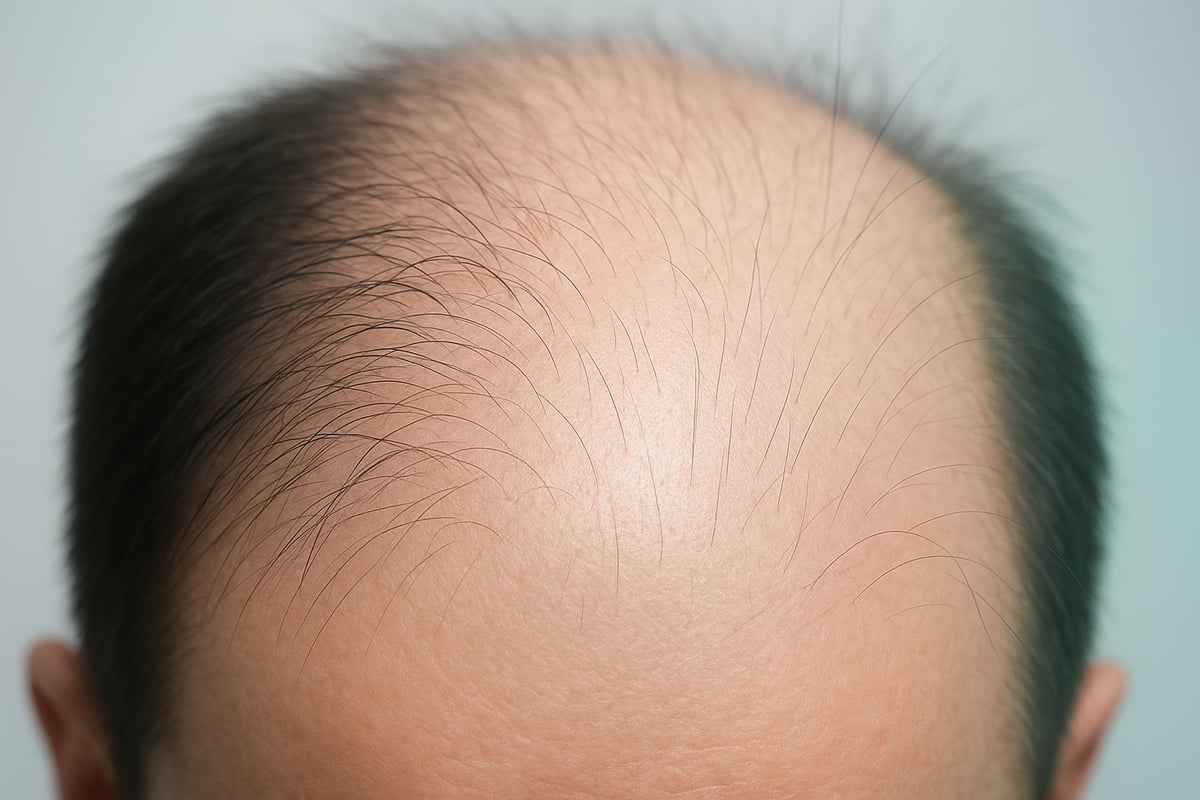
The Hair Growth Cycle Explained
Hair grows in a repeating cycle, made up of four main phases. Each phase determines the length, strength, and density of your hair. Here’s a summary:
| Phase | Description | Duration |
|---|---|---|
| Anagen | Active growth, most hair in this phase | 2–7 years |
| Catagen | Transition, hair detaches from blood supply | 2–3 weeks |
| Telogen | Resting, hair prepares to shed | 3–4 months |
| Exogen | Shedding, hair falls out | Few days to weeks |
Disruptions in any phase can become reasons for hair thinning. For example, a shortened anagen phase reduces hair length and density, while a prolonged telogen phase leads to increased shedding.
How Hair Follicles Work and What Can Go Wrong
Each hair grows from a follicle embedded in the scalp. Follicles are mini organs, sensitive to hormones, nutrition, and environmental changes. Over time, follicles may shrink (miniaturise) or become dormant, especially in response to genetic or hormonal triggers.
This miniaturisation is a key reason for hair thinning, as the follicle produces finer, weaker hair. Stem cell depletion at the follicle base can also halt new growth, a focus of much research in 2026.
Shedding vs. Thinning: What’s the Difference?
Not all hair loss is the same. Shedding is a natural part of the hair cycle, with most people losing 50–100 hairs daily. Thinning, however, means hair is not replaced at the same rate, leading to a gradual reduction in volume and coverage.
Consider Sarah, age 45, who noticed more hair in her brush after a stressful event. While some shedding is normal, persistent thinning signalled an underlying issue. Understanding such reasons for hair thinning helps distinguish between temporary and chronic problems.
Genetics, External Factors, and the Latest Statistics
Genetics play a significant role. Up to 40% of women and 50% of men experience noticeable thinning by age 50, according to the NHS (2024). Yet, external factors—nutrition, stress, medical conditions—also contribute.
If you want a comprehensive overview of the many hair loss causes and treatments, this resource covers genetics, hormonal changes, and medical conditions in detail.
Emerging research in 2026 highlights follicle miniaturisation and stem cell depletion as leading scientific reasons for hair thinning. Early intervention, such as adjusting nutrition or addressing medical issues promptly, can help preserve hair density.
Why Early Action Matters
The earlier you recognise the main reasons for hair thinning, the better your chances of managing it effectively. Whether the cause is genetic, hormonal, or environmental, timely action supports healthier hair and scalp.
By understanding the science, you empower yourself to make informed decisions and seek the right solutions for your hair health.
9 Essential Reasons for Hair Thinning You Should Know in 2026
Hair thinning is rarely caused by a single factor. In 2026, understanding the many reasons for hair thinning is more important than ever. Below, we explore the 9 most essential reasons for hair thinning that everyone should be aware of this year, including the latest research, examples, and practical advice.
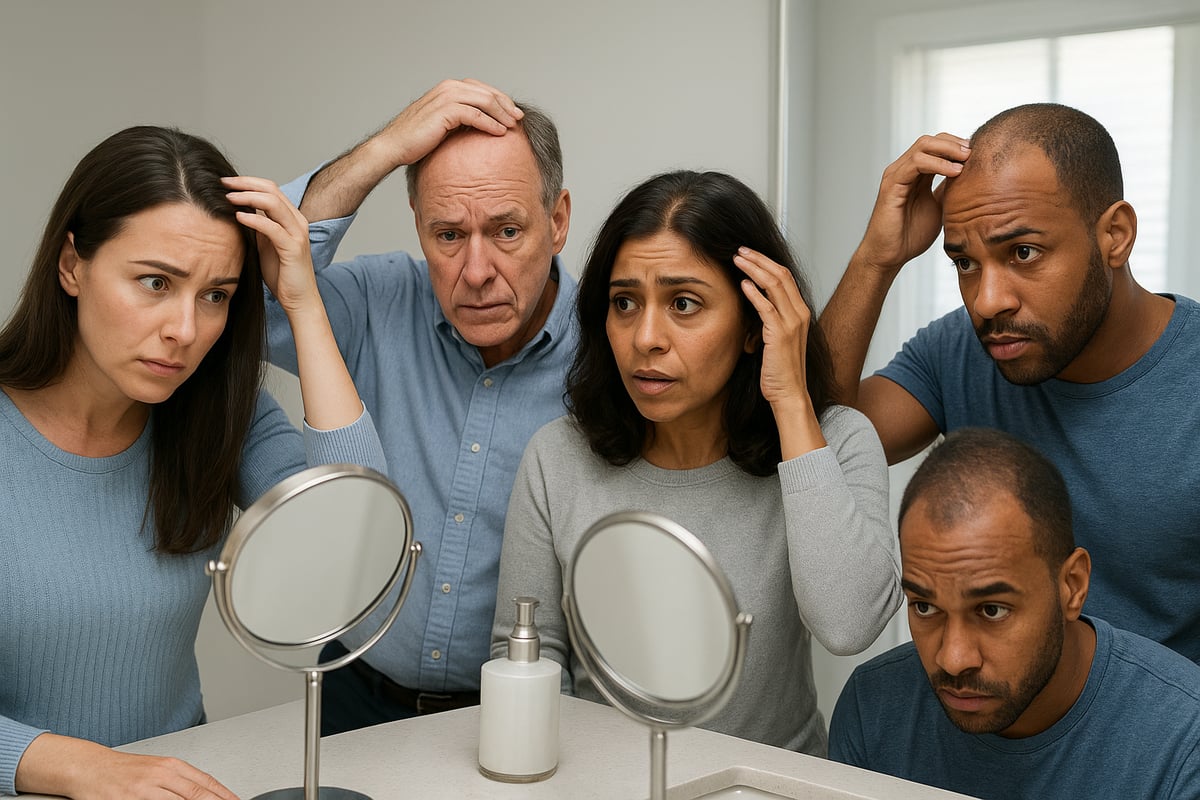
1. Genetics and Hereditary Factors
Genetics are perhaps the most well-known of all reasons for hair thinning. The medical term is androgenetic alopecia, commonly referred to as male or female pattern baldness. If you notice gradual thinning at the temples, crown, or parting, it may be linked to your family history.
Family patterns play a big role. If your parents or grandparents experienced thinning hair, your risk increases. In 2026, genetic studies have identified new susceptibility genes, expanding our understanding of hereditary influence. For men, thinning often begins at the temples or crown, while women may see a widening part.
A striking statistic: over 80% of male hair thinning is linked to genetics, according to the British Association of Dermatologists (2025). Early signs include receding hairlines, thinning at the crown, or increased shedding in the shower. Family case studies show how patterns can vary, even among siblings.
Managing genetic hair thinning involves early intervention. Options include topical treatments, medications, and lifestyle adjustments. While you cannot change your genes, you can slow progression and support hair health with proactive care. Recognising genetics as one of the main reasons for hair thinning helps set realistic expectations and guides your next steps.
2. Hormonal Changes and Imbalances
Hormones are powerful regulators of hair growth and are key reasons for hair thinning in both men and women. Dihydrotestosterone (DHT), oestrogen, and thyroid hormones all influence the hair cycle. Major hormonal shifts, such as menopause, pregnancy, and thyroid disorders, can trigger noticeable changes.
Menopausal women are particularly affected, with up to 60% reporting thinning hair (NICE, 2025). Pregnancy and the postpartum period also cause fluctuations that may result in temporary hair loss. Polycystic ovary syndrome (PCOS) and thyroid disease are other common triggers.
In 2026, research on hormonal therapies continues to evolve, offering new hope for those affected. Hormone replacement therapy can help some women, but may worsen thinning in others. The postpartum period often brings increased shedding, which usually resolves within months.
Balancing hormones naturally is possible with a healthy lifestyle, stress reduction, and medical support when needed. Monitoring your hormone levels and seeking specialist advice can make a significant difference. Recognising hormonal fluctuations as one of the primary reasons for hair thinning allows individuals to seek timely solutions.
3. Nutritional Deficiencies
A balanced diet is vital for hair health, making nutritional deficiencies one of the most common reasons for hair thinning today. Key nutrients such as iron, vitamin D, biotin, zinc, and protein are essential for strong, healthy hair. Modern diets in 2026, with increased reliance on processed foods, have contributed to a rise in deficiencies.
Symptoms of nutrient-related hair thinning include brittle strands, excessive shedding, and slow regrowth. Those following vegan or vegetarian diets may be especially at risk if not carefully planning their nutrition. Iron deficiency, for example, is linked to 30% of female hair thinning cases, according to the Trichology Journal (2025).
Regular blood tests can help detect deficiencies early. Addressing these issues through diet or supplements can often restore hair growth. For more in-depth information on the connection between nutrition and hair, visit Hair loss and nutrition insights.
Dietary strategies include eating lean protein, leafy greens, nuts, and seeds, and ensuring adequate vitamin D from safe sun exposure or supplements. Recognising nutritional deficits as important reasons for hair thinning empowers you to take charge of your hair health.
4. Stress and Mental Health
Stress is a powerful trigger and one of the leading reasons for hair thinning in 2026. Both physical and emotional stress can push hair follicles into a resting phase, resulting in a condition called telogen effluvium. This can occur after major life events, illness, or ongoing anxiety.
Pandemic-related stress led to a 25% increase in hair thinning rates, according to the UK Hair Research Society (2024). Chronic stress raises cortisol levels, which negatively impacts hair follicle health and can prolong recovery. Anxiety and depression are also linked to increased shedding and slower regrowth.
Examples include noticeable thinning after bereavement, job loss, or even intense work periods. Managing stress is crucial for combating this cause. Techniques such as mindfulness, regular exercise, and relaxation therapies have become even more popular in 2026.
By recognising stress and mental health as significant reasons for hair thinning, individuals can prioritise self-care and seek professional support. Early action can help prevent further loss and support overall wellbeing.
5. Medical Conditions and Medications
Underlying medical conditions and certain medications are increasingly recognised as important reasons for hair thinning. Autoimmune diseases like alopecia areata, diabetes, and lupus can all impact hair follicles. Medications such as chemotherapy agents, antidepressants, and blood thinners are also common culprits.
Roughly 15% of all hair loss cases are medication-induced, according to the BMJ (2025). Some people experience regrowth after stopping or changing medication, while others may need ongoing management. Discussing hair thinning with your doctor is crucial for identifying reversible causes.
Treatment options vary depending on the underlying issue. Monitoring your health and adjusting medication under medical supervision can make a big difference. For a comprehensive look at the medical causes of hair loss, see Medical causes of hair loss.
Recognising medical factors as one of the major reasons for hair thinning allows for tailored treatment and better outcomes. Do not hesitate to seek medical advice if you notice sudden or unexplained hair changes.
6. Ageing and Natural Hair Cycle Changes
Ageing is an inevitable part of life and one of the most universal reasons for hair thinning. As we age, the density, texture, and growth rate of hair gradually change. Hair follicles shrink and produce finer, shorter strands, a process known as miniaturisation.
Comparing hair in your 20s to hair in your 60s reveals a clear transformation. According to the British Hair Foundation (2025), hair density drops by 20% per decade after age 30. However, some individuals maintain thicker hair well into old age, often due to genetics and lifestyle.
Mature hair requires gentle, targeted care. Using mild shampoos, nourishing treatments, and avoiding harsh styling can help preserve volume. For practical advice on handling the effects of ageing, see Ageing hair and how to handle it.
Cosmetic solutions, such as volumising products and colour touch-ups, can boost confidence. Recognising ageing as one of the natural reasons for hair thinning helps set realistic expectations and encourages proactive care.
7. Hair Care Practices and Styling Damage
Daily routines and styling habits are often overlooked reasons for hair thinning. Excessive heat styling, chemical treatments, and tight hairstyles can all damage hair shafts and follicles. Over time, this leads to breakage, split ends, and even traction alopecia.
In 2026, new trends focus on gentle hair care and protective styles. Traction alopecia, caused by tight braids or ponytails, is becoming more common as these styles gain popularity. The UK Hair Survey (2025) found that 35% of women report thinning hair linked to styling habits.
To reverse damage, switch to loose hairstyles, use minimal heat, and choose sulphate-free products. Innovative, damage-free hair products are now widely available, supporting hair recovery and resilience. Recognising poor hair care as one of the reasons for hair thinning enables smarter choices and healthier hair.
8. Environmental Factors and Pollution
Environmental stressors are increasingly recognised as reasons for hair thinning. Urban living exposes hair to air pollution, hard water, and UV radiation, all of which can weaken strands and irritate the scalp. In 2026, research highlights the impact of microplastics on scalp health.
Urban dwellers often experience higher rates of hair thinning compared to those in rural areas. The Environmental Health Journal (2025) reports that air pollution increases hair thinning risk by 15%. Hard water can leave mineral deposits, making hair brittle, while UV exposure damages the cuticle.
Protecting your hair involves using water filters, wearing hats outdoors, and choosing UV-protective hair products. Making small lifestyle changes can significantly reduce exposure. Recognising environmental damage as one of the reasons for hair thinning helps you take preventative action.
9. Underlying Scalp Conditions
Scalp health is fundamental, and underlying scalp conditions are notable reasons for hair thinning. Common issues such as dandruff, psoriasis, seborrheic dermatitis, and fungal infections can all disrupt hair growth. Inflammation and persistent irritation weaken follicles and increase shedding.
For example, treating scalp psoriasis often results in hair regrowth. According to the Trichology Review (2024), 20% of hair thinning cases are linked to scalp disorders. Early signs include itching, flaking, redness, or unusual sensitivity.
Spotting problems early and seeking appropriate treatment is crucial. Medicated shampoos, topical treatments, and regular scalp check-ups can all support recovery. Do not hesitate to consult a dermatologist for persistent symptoms. Recognising scalp conditions as reasons for hair thinning ensures timely intervention and better outcomes.
Emerging Solutions and Prevention Strategies for Hair Thinning in 2026
The landscape of hair thinning solutions is rapidly evolving, offering hope to those impacted by the many reasons for hair thinning. In 2026, cutting-edge research and advanced therapies are reshaping how we approach prevention and regrowth.

Latest Treatments and Technologies
Clinics now offer an impressive range of evidence-based treatments. Topical minoxidil and oral finasteride remain frontline therapies for genetic cases. Platelet-rich plasma (PRP) therapy, which uses a patient's own blood plasma to stimulate follicles, has become increasingly popular.
Laser treatments, once considered niche, are now widely accessible and show promising results for many underlying reasons for hair thinning. Non-invasive options, such as thickening serums and scalp microneedling, complement these therapies.
| Solution | Type | Best For |
|---|---|---|
| Minoxidil | Topical | Genetic, early thinning |
| Finasteride | Oral | Male pattern hair thinning |
| PRP Therapy | Injectable | Follicle stimulation |
| Laser Devices | Non-invasive | General thinning, maintenance |
| Microneedling | Non-invasive | Enhancing topical absorption |
According to Hair loss statistics 2025, more people than ever are seeking tailored solutions, reflecting growing awareness of the diverse reasons for hair thinning.
Prevention, Nutrition, and Holistic Care
Early intervention is vital. Regular scalp check-ups and digital monitoring apps help catch changes before they become severe. Nutrition plays a crucial role—deficiencies in iron, vitamin D, or protein can trigger or worsen many reasons for hair thinning.
Supplements are now personalised, based on blood tests and genetic profiles. Holistic approaches, such as stress management and mindfulness, are increasingly integrated into treatment plans. For more on lifestyle and prevention, see Lifestyle factors and hair thinning.
Technology is making prevention smarter. AI-powered scalp analysis and mobile apps provide instant feedback, helping users track progress and adapt routines.
Real-World Success and Expert Advice
Across the UK, many individuals share success stories of regrowth and improved hair health after identifying their unique reasons for hair thinning. Early action, whether through clinical treatments or lifestyle changes, consistently leads to better outcomes.
Experts recommend a multi-faceted approach: combine medical therapies, nutrition, gentle styling, and regular monitoring. By staying informed about emerging solutions and understanding your personal reasons for hair thinning, you can protect your hair health well into the future.
Now that you understand the leading causes of hair thinning in 2026, you’re better equipped to take control of your hair’s health and confidence. Whether genetic factors, stress, or environmental changes are affecting you, there are practical steps you can take—from nutritious choices to proven solutions like advanced hair thickening sprays. If you’re curious about discreet, instant ways to achieve a fuller look while addressing the root causes we’ve discussed, why not explore what’s possible? Find Out More about how you can restore your hair’s appearance and boost your self-esteem today.