Noticing strands of hair on your pillow, in the shower drain, or on your hairbrush can be distressing. When you find yourself thinking "my hair falls out more than it used to," it's natural to feel concerned about what's happening and why. Hair loss affects millions of people across the UK, with varying degrees of severity and different underlying causes. Understanding the reasons behind hair shedding, recognising when it becomes problematic, and knowing what solutions are available can help you take control of the situation and restore your confidence.
Understanding the Hair Growth Cycle
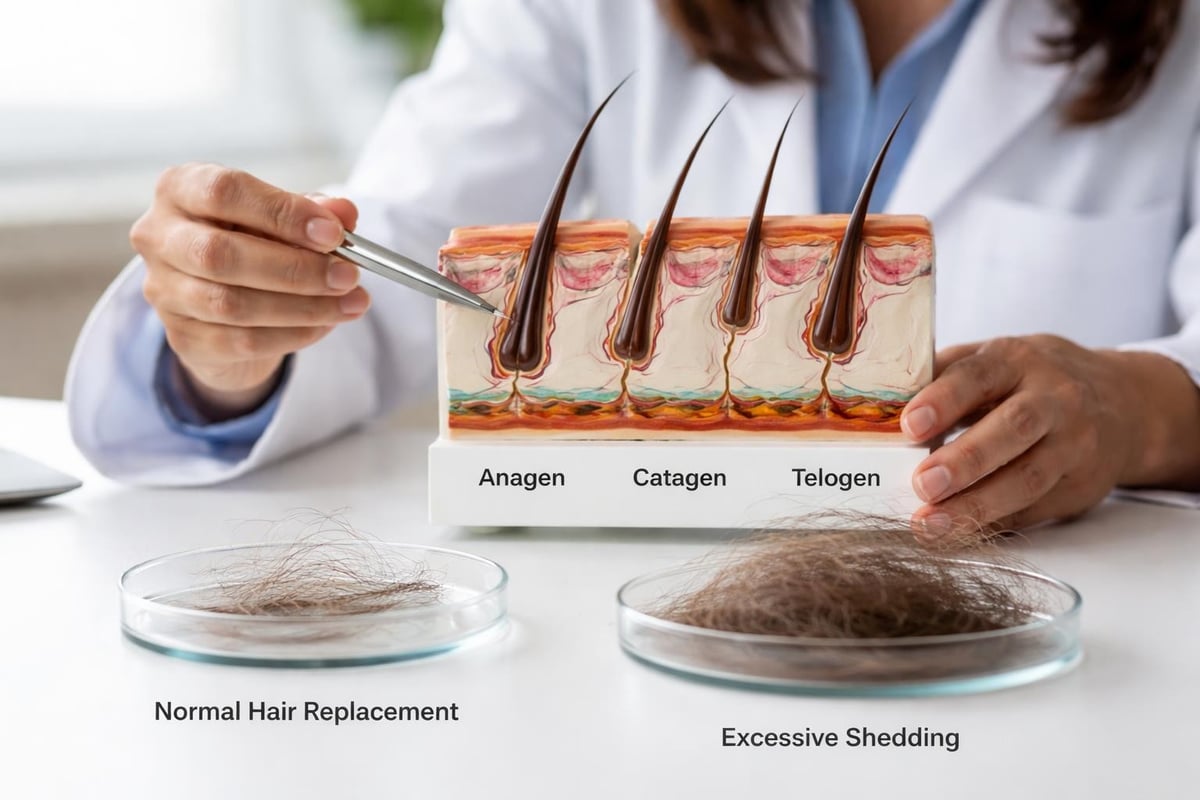
Hair doesn't grow continuously. Each strand follows a predictable cycle that includes growth, transition, rest, and eventual shedding. The anagen phase represents active growth and can last between two to seven years, during which your hair follicles produce new strands. Following this, the catagen phase serves as a brief transitional period lasting about two weeks.
During the telogen phase, hair rests for approximately three months before naturally falling out to make way for new growth. This biological process means that losing between 50 to 100 hairs daily is completely normal and shouldn't cause alarm.
When Normal Shedding Becomes Excessive
The challenge arises when you notice the volume of hair loss increasing beyond typical levels. If my hair falls out in clumps rather than individual strands, or if you can see visible thinning or bald patches developing, the shedding has likely exceeded normal parameters.
Warning signs of excessive hair loss include:
- Noticeably wider hair partings
- Increased hair on pillows and clothing
- More hair than usual in the shower drain
- Visible scalp showing through thinning areas
- Receding hairline or temple recession
Common Causes of Hair Loss
Identifying why my hair falls out requires understanding the various factors that can disrupt the normal hair growth cycle. Hair loss stems from numerous causes, ranging from genetic predisposition to lifestyle factors and underlying health conditions.
Androgenetic Alopecia
Pattern baldness represents the most prevalent form of hair loss, affecting both men and women. This hereditary condition causes hair follicles to miniaturise over time, producing progressively thinner and shorter strands until growth eventually ceases. Men typically experience recession at the temples and crown, whilst women notice diffuse thinning across the top of the scalp.
Telogen Effluvium
Significant physical or emotional stress can shock the hair growth system, pushing large numbers of follicles prematurely into the resting phase. Three to six months after the triggering event, telogen effluvium causes noticeable shedding throughout the scalp. Common triggers include childbirth, major surgery, severe illness, extreme weight loss, or psychological trauma.
Medical Conditions and Medications
| Condition/Medication | Impact on Hair |
|---|---|
| Thyroid disorders | Disrupts hormone balance affecting growth |
| Iron deficiency anaemia | Reduces oxygen delivery to follicles |
| Autoimmune conditions | Attacks hair follicles directly |
| Chemotherapy drugs | Damages rapidly dividing cells |
| Beta-blockers | Interferes with hair cycle |
| Antidepressants | May trigger shedding in some individuals |
Alopecia areata is an autoimmune condition where the body's defence system mistakenly attacks hair follicles, creating distinct round patches of hair loss. This condition can affect anyone at any age and may progress to total scalp or body hair loss in severe cases.
Nutritional Deficiencies
When my hair falls out due to inadequate nutrition, the body prioritises essential functions over hair growth. Insufficient protein intake, low iron levels, vitamin D deficiency, and inadequate B vitamins can all contribute to weakened hair structure and increased shedding.
Styling Practices and Hair Care
Traction alopecia develops from repeated tension on hair follicles caused by tight hairstyles such as braids, ponytails, buns, or extensions. Chemical treatments including bleaching, perming, and relaxing can damage the hair shaft and weaken follicles when used excessively or improperly.
Frequent use of heated styling tools without adequate heat protection strips moisture from hair, making it brittle and prone to breakage. This mechanical damage compounds over time, creating the appearance of thinning hair.
Diagnosing the Problem
Determining precisely why my hair falls out requires proper assessment. Whilst some causes are readily apparent, others need professional investigation to identify accurately.
Self-Assessment Techniques
The pull test offers a simple home evaluation method. Gently grasp approximately 60 hairs between your thumb and forefinger, then pull slowly but firmly. If more than six hairs come away, you may be experiencing excessive shedding.
Tracking your shedding patterns helps establish whether hair loss is increasing, stable, or improving. Count the hairs collected from your brush daily for two weeks, noting any significant variations or trends.
Professional Diagnosis
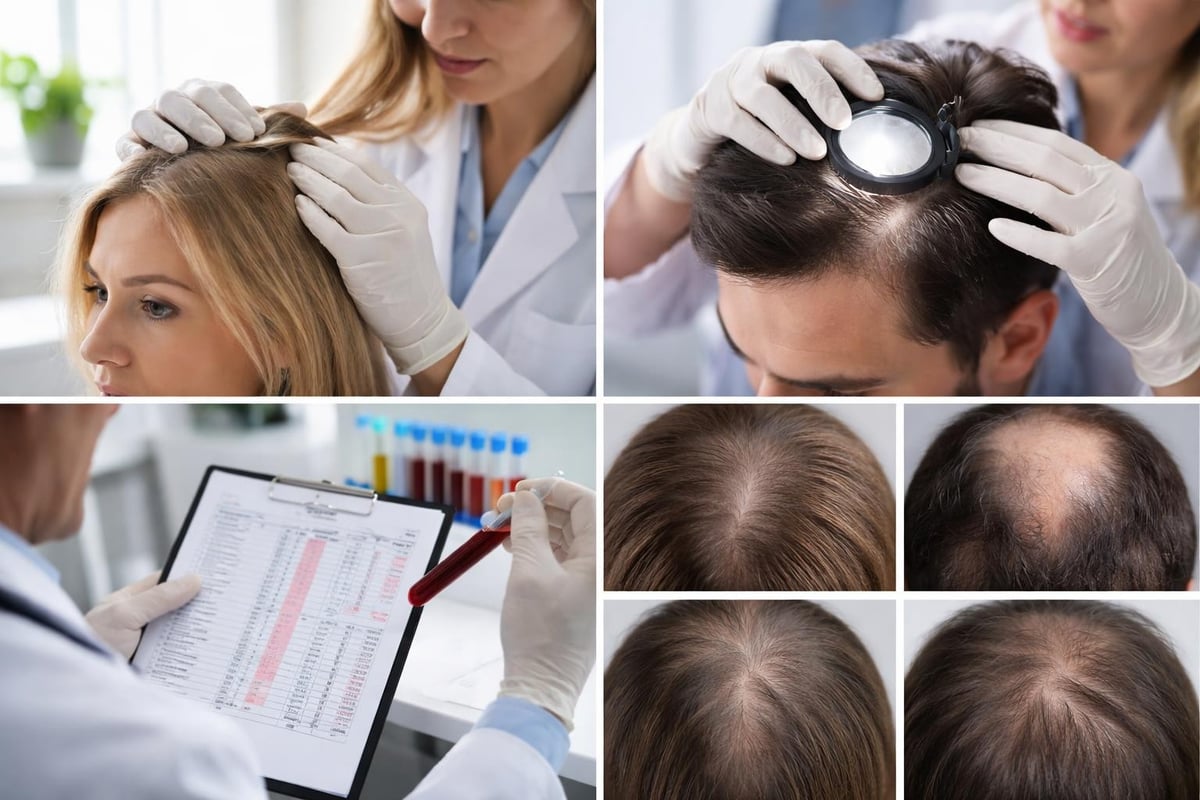
Dermatologists and trichologists specialise in hair and scalp conditions, offering comprehensive evaluations that may include:
- Detailed medical history review
- Physical scalp examination
- Blood tests to check hormone levels and nutritional status
- Scalp biopsy in complex cases
- Trichoscopy using specialised magnification equipment
These professionals can differentiate between various types of hair loss and recommend appropriate treatment and prevention strategies tailored to your specific situation.
Treatment Options and Solutions
Once you've identified why my hair falls out, numerous intervention strategies can help slow progression, stimulate regrowth, or cosmetically conceal thinning areas.
Medical Treatments
Minoxidil (Regaine) represents the most widely available topical treatment for pattern baldness. Applied directly to the scalp twice daily, it extends the growth phase and can increase hair density over several months of consistent use.
Finasteride is an oral medication available for men that blocks the conversion of testosterone to dihydrotestosterone (DHT), the hormone responsible for miniaturising follicles in androgenetic alopecia. However, concerning information about finasteride’s side effects warrants careful consideration before starting treatment.
For alopecia areata, corticosteroid injections directly into affected patches can suppress the immune response and encourage regrowth. Topical immunotherapy may be recommended for more extensive cases.
Nutritional Support
Supporting hair health from within involves ensuring adequate intake of key nutrients:
- Protein: Essential for keratin production (lean meats, fish, legumes, eggs)
- Iron: Crucial for oxygen transport to follicles (red meat, spinach, lentils)
- Biotin: Supports hair structure (eggs, nuts, whole grains)
- Vitamin D: Plays a role in follicle cycling (fatty fish, fortified foods, sunlight)
- Omega-3 fatty acids: Reduces inflammation (salmon, walnuts, flaxseeds)
Research on hair loss and nutrition continues to reveal connections between dietary patterns and hair health, emphasising the importance of a balanced approach.
Lifestyle Modifications
Preventing hair loss often requires adjusting daily habits and routines. Stress management through meditation, exercise, or counselling can help prevent stress-induced shedding. Adequate sleep supports overall health and cellular repair processes essential for hair growth.
Gentle hair care practices protect existing strands:
- Use a wide-toothed comb on wet hair
- Avoid excessive heat styling or use protective products
- Choose mild, sulphate-free shampoos
- Limit chemical treatments
- Pat hair dry rather than rubbing vigorously
Cosmetic Concealment Solutions
When my hair falls out faster than treatments can stimulate regrowth, cosmetic solutions provide immediate confidence restoration. Hair thickening sprays work by coating existing hair strands to increase their diameter whilst also adhering natural-looking fibres to the scalp, creating the appearance of fuller, denser hair.
These products offer several advantages for managing visible thinning:
- Instant results without waiting months for regrowth
- Non-invasive and completely reversible
- Works alongside medical treatments
- Suitable for various hair loss patterns
- Natural appearance in all lighting conditions
Concealing bald patches on the crown or addressing an emerging bald patch becomes straightforward with quality concealer products designed specifically for this purpose.
Psychological Impact and Coping Strategies
The emotional toll of watching my hair falls out can be as significant as the physical changes themselves. Hair often forms a crucial part of personal identity and self-image, making its loss psychologically challenging.
Emotional Responses
Common psychological reactions include:
- Anxiety about further progression
- Depression and low self-esteem
- Social withdrawal and isolation
- Obsessive checking and worry
- Relationship difficulties
Acknowledging these feelings rather than dismissing them represents the first step towards healthy coping. Hair loss isn't merely a cosmetic concern; it's a legitimate issue that deserves proper attention and support.
Building Resilience
| Strategy | Implementation | Benefit |
|---|---|---|
| Support groups | Join online or in-person communities | Share experiences and solutions |
| Professional counselling | Work with a therapist | Develop healthy coping mechanisms |
| Focus shift | Emphasise other attributes | Build confidence beyond appearance |
| Education | Learn about your condition | Reduce fear through understanding |
| Proactive management | Take control with treatments | Empower yourself through action |
Connecting with others who understand the experience can reduce feelings of isolation. Many UK support organisations and online communities provide platforms for sharing concerns and discovering what strategies others have found helpful.

Emerging Research and Future Treatments
Scientific understanding of why my hair falls out continues to evolve, with researchers exploring innovative approaches to stimulating regrowth and preventing follicle miniaturisation.
Promising Developments
Platelet-rich plasma (PRP) therapy involves extracting growth factors from your own blood and injecting them into the scalp to stimulate follicle activity. Whilst results vary, some individuals experience measurable improvements in hair density.
Modified proteins designed to combat hair loss represent an exciting frontier in hair loss research, potentially offering new mechanisms for triggering regrowth.
Low-level laser therapy (LLLT) uses specific wavelengths of light to potentially improve cellular function within follicles. FDA-cleared devices are available for home use, though evidence for effectiveness remains mixed.
Stem Cell Research
Scientists are investigating ways to create new hair follicles using stem cell technology. Whilst still in experimental stages, this approach could revolutionise treatment for permanent hair loss by actually generating new follicles rather than simply stimulating existing ones.
Prevention Strategies for Those at Risk
If my hair falls out runs in your family, taking preventive action before significant thinning occurs may help delay or minimise its progression.
Early Intervention
Starting treatment at the first signs of thinning often yields better results than waiting until hair loss becomes advanced. Regular scalp examinations help detect changes early when intervention is most effective.
Protective Measures
Avoiding known triggers reduces unnecessary stress on follicles:
- Choose looser hairstyles that don't pull on the hairline
- Space out chemical treatments and use professional services
- Protect hair from environmental damage (sun, chlorine, pollution)
- Address medical conditions promptly
- Maintain consistent nutrition and hydration
Regular Monitoring
Photographing your hairline and parting every three months provides objective documentation of changes over time. This visual record helps distinguish normal variation from genuine progression and allows you to assess whether interventions are working.
Living Well with Hair Loss
Whilst experiencing my hair falls out can be distressing, many people find ways to adapt and maintain their quality of life. Acceptance doesn't mean giving up on treatment; rather, it involves acknowledging the situation whilst taking proactive steps to manage it.
Style Adaptations
Working with a skilled hairstylist who understands hair loss can help you find flattering cuts that maximise volume and coverage. Shorter styles often appear fuller, whilst strategic layering can create the illusion of density.
Volumising sprays for thin hair combined with appropriate styling techniques can dramatically improve the appearance of thinning areas, allowing you to feel confident in social and professional situations.
Wardrobe and Accessory Choices
Some individuals embrace their changing appearance through fashion choices that draw attention away from the hair or celebrate it altogether. Others find that strategic use of accessories like scarves, hats, or headbands provides both practical coverage and style opportunities.
Cultural Perspectives
Throughout history, cultural perspectives on hair have varied dramatically. Understanding that attitudes towards hair loss differ across cultures and time periods can help contextualise your own experience and potentially reduce distress.
Maintaining Overall Health
When my hair falls out, it often serves as a visible indicator of overall health status. Supporting your body's general wellbeing creates the optimal environment for whatever hair growth your follicles can still produce.
Holistic Wellness Approach
Regular exercise improves circulation, delivering nutrients and oxygen to scalp tissues. Stress reduction through mindfulness practices, yoga, or other relaxation techniques may help prevent stress-related shedding episodes.
Adequate hydration supports all cellular processes, including those occurring in hair follicles. Aim for sufficient water intake throughout the day, adjusting based on activity levels and climate.
Sleep Quality
During sleep, your body conducts repair and regeneration processes essential for healthy hair growth. Prioritising seven to nine hours of quality sleep supports hormonal balance and cellular renewal.
Creating a consistent sleep schedule and optimising your bedroom environment for rest can improve both sleep quality and overall health outcomes, potentially benefiting hair retention.
Understanding why my hair falls out empowers you to take appropriate action, whether through medical treatments, lifestyle adjustments, or cosmetic solutions. Whilst hair loss presents real challenges, modern options allow you to maintain confidence and appearance throughout your journey. RESTRAND LTD offers instant hair thickening solutions that cosmetically conceal thinning areas, providing immediate confidence whilst you pursue longer-term treatment strategies. Explore professional-grade concealers designed to give you a fuller, healthier-looking head of hair from the moment you apply them.