Thinning hair affects millions of people across the UK, impacting confidence and self-image. Whether you're experiencing gradual hair loss or simply want to enhance your hair's natural volume, understanding what makes hair thicker is essential for choosing the right solutions. From nutritional interventions to innovative cosmetic treatments, the approaches available today range from long-term biological changes to instant visual transformations that work within seconds.
Understanding Hair Thickness and Density
Hair thickness refers to two distinct characteristics: the diameter of individual hair strands and the overall density of hair coverage on your scalp. Both factors contribute to the appearance of fullness.
Individual strand thickness depends largely on genetics, with the average human hair measuring between 70 and 100 micrometres in diameter. Meanwhile, hair density relates to the number of follicles actively producing hair across your scalp.
The Biology Behind Thick Hair
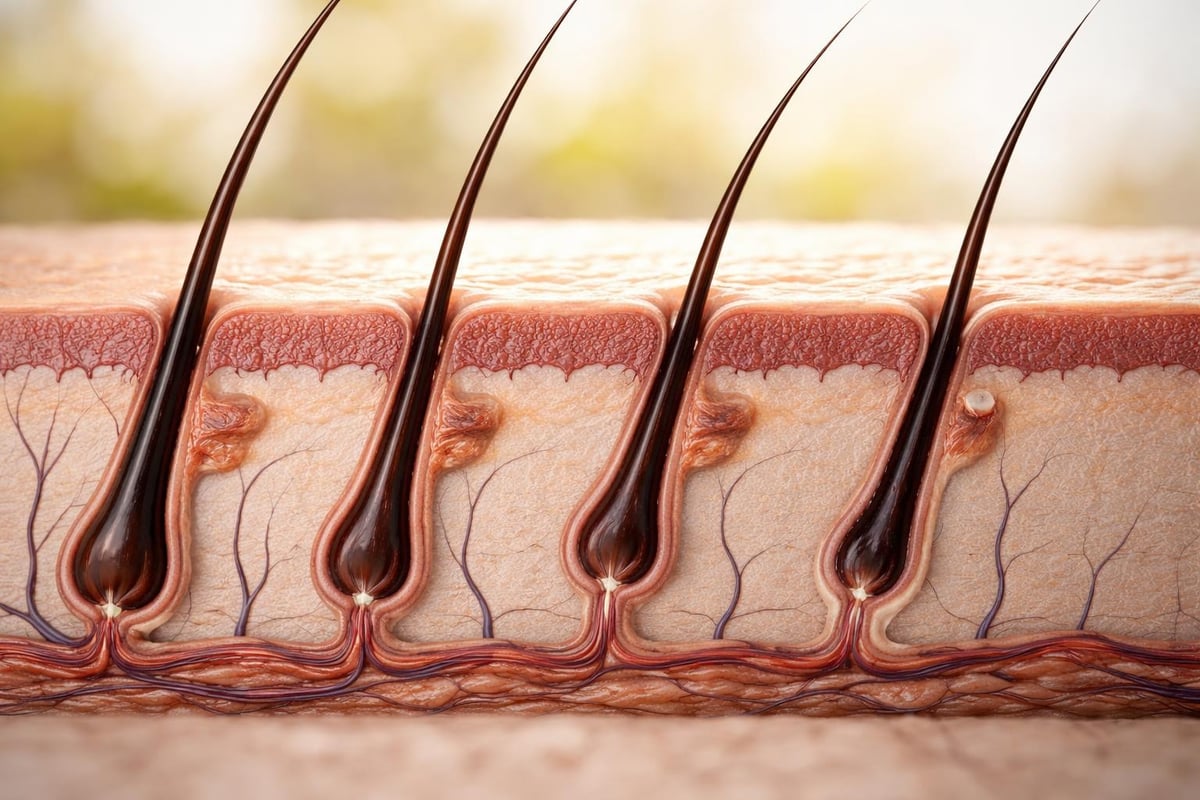
Your hair follicles undergo continuous cycles of growth, rest, and shedding. Several factors influence whether these cycles produce thick, healthy strands:
- Adequate blood circulation to the scalp
- Proper nutrition reaching the hair follicle
- Hormonal balance, particularly androgens
- Protection from oxidative stress
- Minimal inflammation around follicles
When these conditions are optimized, hair has the best chance of growing to its maximum potential thickness. Research suggests various evidence-based methods can influence these biological processes.
Nutritional Approaches That Build Hair Strength
What you consume directly impacts what makes hair thicker from the inside out. Your hair is primarily composed of keratin, a protein that requires specific nutrients for optimal production.
Essential Vitamins and Minerals
| Nutrient | Role in Hair Health | Food Sources |
|---|---|---|
| Biotin (B7) | Supports keratin production | Eggs, nuts, whole grains |
| Iron | Delivers oxygen to follicles | Red meat, spinach, lentils |
| Zinc | Promotes follicle repair | Oysters, beef, pumpkin seeds |
| Vitamin D | Stimulates follicle growth | Fatty fish, fortified dairy |
| Omega-3 Fatty Acids | Reduces inflammation | Salmon, walnuts, flaxseed |
According to nutritional approaches recommended by experts, incorporating these nutrients can support healthier hair growth over time.
Protein Intake Matters
Hair is approximately 95% protein, making adequate protein consumption crucial. Adults should aim for 0.8 to 1 gram of protein per kilogram of body weight daily. Insufficient protein forces the body to ration resources, often sacrificing hair quality first.
Collagen supplementation has gained attention for its potential to provide amino acids that support keratin production, though results vary between individuals.
Topical Treatments and Hair Care Strategies
Beyond nutrition, what makes hair thicker often involves direct application of treatments that strengthen existing strands and optimize the scalp environment.
Scalp Massage and Circulation
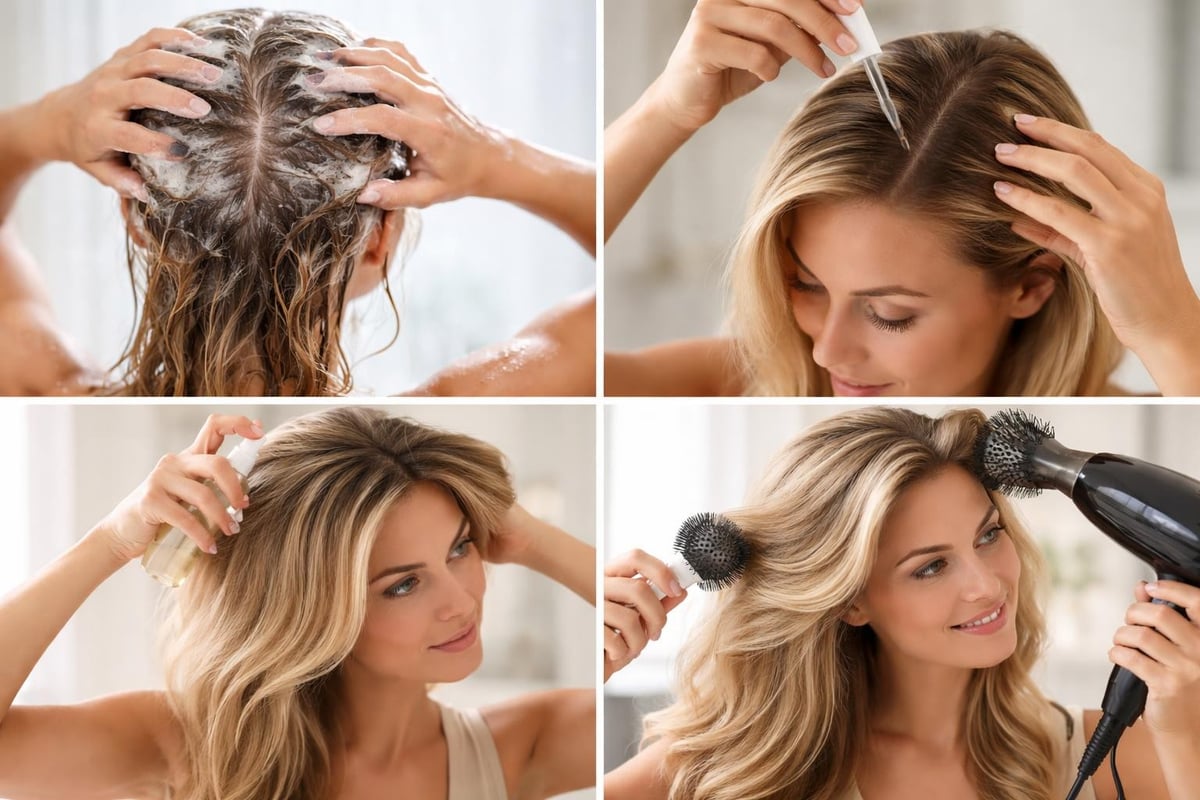
Regular scalp massage stimulates blood flow to hair follicles, potentially encouraging thicker growth. Studies suggest daily massage for 4-5 minutes may improve hair thickness over several months.
The technique involves:
- Using fingertips (not nails) to apply gentle pressure
- Moving in small circular motions across all scalp areas
- Maintaining consistent daily practice
- Optional use of essential oils like rosemary or peppermint
Volumizing Products and Styling Solutions
Hair volumizers work by coating each strand with polymers that increase diameter and create space between hairs. These products typically contain ingredients like:
- Hydrolyzed wheat protein
- Panthenol (Pro-Vitamin B5)
- Keratin derivatives
- Silicone alternatives for added body
For those seeking immediate results, instant hair thickening solutions offer a different approach entirely, providing cosmetic coverage that makes hair thicker in appearance within seconds of application.
Addressing Hair Loss and Thinning
Understanding what makes hair thicker also requires recognizing what causes thinning. Various factors contribute to reduced hair density and strand diameter.
Common Causes of Hair Thinning
Androgenetic alopecia affects both men and women, causing progressive follicle miniaturization. The condition relates to genetic sensitivity to dihydrotestosterone (DHT), which gradually shrinks follicles.
Telogen effluvium occurs when stress, illness, or hormonal changes push large numbers of follicles into the resting phase simultaneously. This temporary condition typically resolves within 6-9 months.
Nutritional deficiencies, particularly iron deficiency anaemia, commonly contribute to reduced hair quality and density in women of childbearing age.
Medical Interventions
For those experiencing significant hair loss, several medical options exist:
- Minoxidil (Rogaine): Over-the-counter topical treatment that prolongs the growth phase
- Finasteride (Propecia): Prescription medication that blocks DHT conversion (note potential side effects require careful consideration)
- Platelet-rich plasma (PRP): Injections using concentrated growth factors from your own blood
- Low-level laser therapy: Light-based treatment that may stimulate follicle activity
These approaches require consistent use and typically take 3-6 months before results become visible.
Lifestyle Factors That Influence Hair Quality
Your daily habits significantly impact what makes hair thicker or thinner over time. Simple modifications can protect existing hair and optimize growth conditions.
Stress Management and Sleep
Chronic stress elevates cortisol levels, which can disrupt the hair growth cycle and push follicles prematurely into the shedding phase. Lifestyle factors play a substantial role in maintaining healthy hair.
Quality sleep supports hair health through:
- Hormone regulation during deep sleep phases
- Cellular repair and growth processes
- Stress hormone reduction
- Optimal nutrient distribution to follicles
Aim for 7-9 hours of consistent sleep nightly to support overall hair health.
Avoiding Damage and Breakage
Hair that breaks before reaching its full length appears thinner regardless of actual growth rate. Protective measures include:
- Limiting heat styling to twice weekly maximum
- Using heat protectant products before blow-drying or straightening
- Avoiding tight hairstyles that create tension on follicles
- Choosing gentle hair ties without metal components
- Sleeping on silk or satin pillowcases to reduce friction
Chemical treatments like bleaching, perming, and relaxing weaken hair structure. Spacing these treatments at least 8-12 weeks apart helps maintain strand integrity.
Instant Solutions for Thicker-Looking Hair
While biological approaches to what makes hair thicker require patience, cosmetic solutions deliver immediate visual results. These options are particularly valuable for special occasions or daily confidence enhancement.
Hair Thickening Fibres and Sprays
Modern hair loss concealers use electrostatically charged fibres or pigmented sprays that adhere to existing hair and scalp. The technology creates the appearance of density by:
- Filling gaps between existing hairs
- Adding texture and dimension to fine strands
- Matching natural hair colour precisely
- Resisting wind and light rain when properly applied
Understanding how spray-on hair works helps users select appropriate products and application techniques for their specific needs.
Application Techniques for Maximum Effect
| Step | Action | Purpose |
|---|---|---|
| 1 | Cleanse and dry hair completely | Ensures proper adhesion |
| 2 | Style hair as desired | Creates foundation for product |
| 3 | Shake product thoroughly | Disperses fibres or pigment evenly |
| 4 | Apply from 15cm distance | Prevents clumping or saturation |
| 5 | Pat gently to blend | Naturalizes appearance |
| 6 | Use finishing spray if needed | Locks product in place |
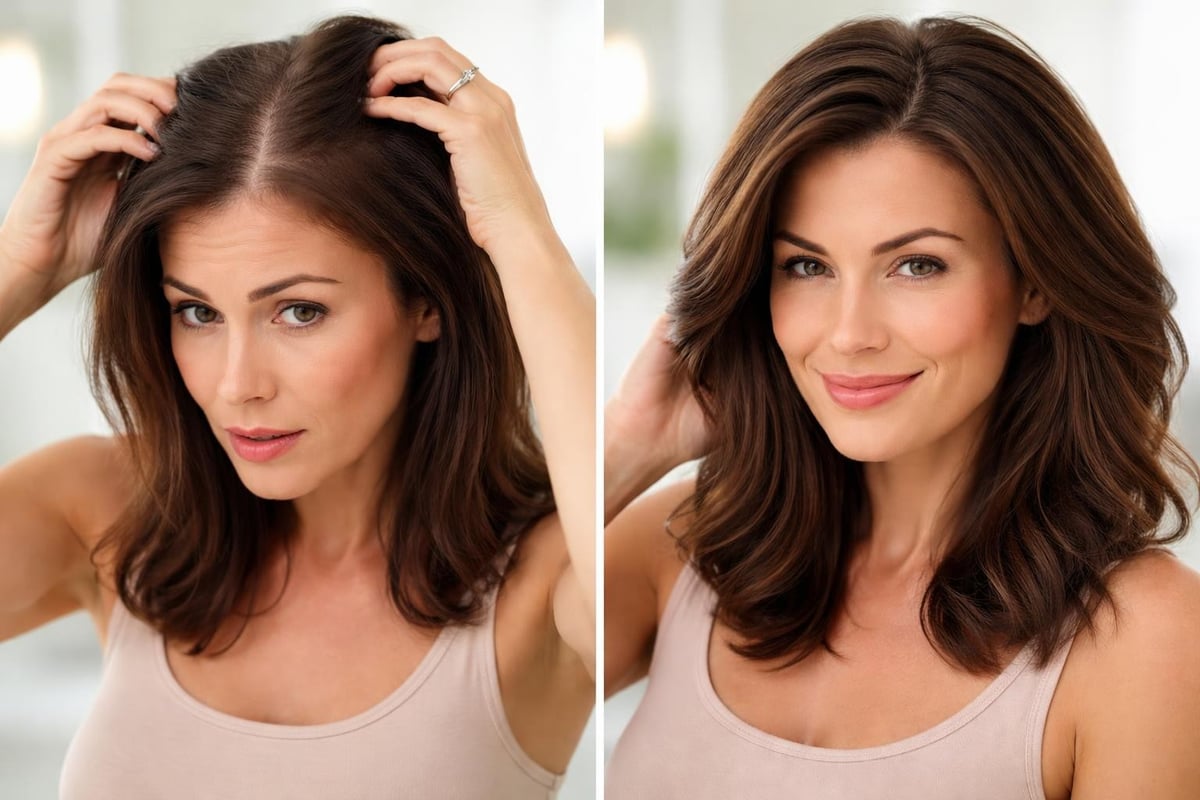
These products work exceptionally well for concealing specific problem areas like crown thinning or widening partings.
Gender-Specific Considerations
What makes hair thicker can vary between men and women due to hormonal differences, pattern baldness variations, and styling preferences.
Men's Hair Thickening Strategies
Male pattern baldness follows predictable patterns, typically beginning at the temples and crown. Specific strategies for men include:
- Shorter hairstyles: Cropped cuts create uniformity and minimize contrast between thick and thin areas
- Scalp micropigmentation: Tattooed dots simulate hair follicles on balding areas
- Strategic grooming: Regular trimming maintains shape and prevents wispy appearance
- Facial hair balance: Well-groomed beards can offset scalp thinning
Men often benefit from matte-finish styling products that add texture without shine, which can highlight thinning areas.
Women's Unique Challenges
Women typically experience diffuse thinning rather than complete baldness, with hair loss distributed across the entire scalp. Effective approaches include:
- Volumizing haircuts with layered structures
- Strategic highlighting to create dimension
- Avoiding heavy conditioning products on roots
- Gentle handling during styling and brushing
Expert tips for creating thickness often focus on visual illusions through colour and cut rather than solely relying on products.
Combining Approaches for Optimal Results
The most effective strategy for what makes hair thicker involves layering multiple approaches tailored to your specific situation and timeline.
Short-Term and Long-Term Planning
Immediate needs (days to weeks):
- Cosmetic concealers and volumizing sprays
- Strategic styling and cutting
- Colour techniques that create dimension
Medium-term goals (weeks to months):
- Nutritional optimization
- Scalp care routines
- Gentle handling practices
Long-term investments (months to years):
- Medical treatments if appropriate
- Stress management and lifestyle changes
- Consistent hair care protocols
Creating Your Personal Hair Thickening Protocol
Consider these questions when developing your approach:
- What is your primary concern: overall thinning, specific bald patches, or fine hair texture?
- How quickly do you need visible results?
- What is your budget for ongoing treatments or products?
- Are you willing to commit to daily routines or medical interventions?
- Do you have any health conditions that might affect hair growth?
Getting help with hair loss concerns often requires honest assessment of expectations and commitment levels.
Separating Facts from Fiction
Numerous myths surround what makes hair thicker, often leading people toward ineffective or even harmful practices.
Common Misconceptions
Myth: Frequent haircuts make hair grow thicker
Reality: Cutting hair affects only the ends, not follicle activity or strand diameter. Regular trims prevent split ends from traveling up the shaft, maintaining healthier-looking hair.
Myth: Shampooing daily causes hair loss
Reality: Normal shampooing doesn't damage follicles. However, harsh products or aggressive scrubbing can break weakened strands. Choose gentle formulations appropriate for your hair type.
Myth: Standing on your head increases blood flow and thickens hair
Reality: While improved circulation supports hair health, temporary inversions don't create lasting changes. Regular exercise provides more effective cardiovascular benefits.
Debunking hair loss myths helps individuals focus resources on evidence-based solutions rather than ineffective remedies.
Setting Realistic Expectations
No approach that makes hair thicker can change your fundamental genetics. If your family history includes androgenetic alopecia, you're unlikely to achieve dramatically different hair density through any intervention.
However, optimizing your existing hair's health and appearance remains entirely achievable. Many people have hair that underperforms its genetic potential due to poor nutrition, styling damage, or inadequate care.
Product Selection and Quality Considerations
With countless products claiming to deliver what makes hair thicker, discerning quality becomes essential for both safety and effectiveness.
Ingredients to Seek
Proven beneficial ingredients include:
- Caffeine (stimulates follicles)
- Niacinamide (improves scalp circulation)
- Peptides (support keratin production)
- Saw palmetto (may block DHT naturally)
- Biotin (supports protein synthesis)
Red Flags in Product Claims
Be cautious of products that:
- Promise overnight miracles or dramatic transformations
- Lack ingredient transparency
- Contain harsh sulfates or alcohols as primary ingredients
- Make medical claims without supporting research
- Pressure immediate purchase through false scarcity
Choosing the best hair loss concealer requires evaluating both immediate cosmetic results and long-term safety.
Monitoring Progress and Adjusting Strategies
Tracking what makes hair thicker for your individual situation requires systematic observation and patience.
Documentation Methods
Effective progress tracking includes:
- Photographs: Take consistent photos monthly from the same angles in similar lighting
- Hair counts: Save shed hairs from washing to monitor changes in shedding rates
- Measurement: Use a soft tape measure to track ponytail circumference
- Journaling: Note product changes, stress levels, and dietary modifications
When to Seek Professional Help
Consult a healthcare provider or trichologist if you experience:
- Sudden, dramatic hair loss
- Patchy bald spots or unusual patterns
- Scalp pain, itching, or inflammation
- Hair loss accompanied by other symptoms
- No improvement after 6 months of consistent effort
Early intervention often produces better outcomes for progressive hair loss conditions.
The Psychological Impact of Hair Thickness
Beyond aesthetics, what makes hair thicker matters deeply for psychological wellbeing and self-confidence.
Confidence and Self-Perception
Research consistently demonstrates links between hair loss and:
- Reduced self-esteem
- Social anxiety
- Depression symptoms
- Perceived age and attractiveness
- Professional confidence
Addressing hair concerns, whether through biological treatments or cosmetic solutions, often yields benefits extending far beyond physical appearance. The psychological relief from finding effective solutions contributes significantly to overall quality of life.
Social and Professional Implications
In professional contexts, appearing polished and confident can influence career opportunities and social interactions. While this shouldn't define anyone's worth, acknowledging these realities helps individuals make informed decisions about addressing hair concerns.
Achieving thicker-looking hair involves understanding both biological factors and cosmetic solutions, then selecting approaches aligned with your specific needs and timeline. Whether you're implementing nutritional changes for long-term follicle health or seeking immediate visual transformation, multiple effective options exist. For those wanting instant confidence while pursuing other treatments, RESTRAND LTD offers professional-grade hair thickening solutions that deliver immediate, natural-looking results, helping you look and feel your best every single day.