Confronting hair loss and balding can feel daunting, especially as new treatments and technologies emerge in 2026. Many people find themselves overwhelmed by the sheer number of options and the evolving science behind this common concern.
This comprehensive guide is designed to provide expert insights into the latest causes, prevention methods, and management strategies for hair loss and balding. You will discover up-to-date information on risk factors, innovative diagnostic tools, and breakthrough treatments.
Explore proven lifestyle changes, practical tips, and cosmetic solutions to help you address hair loss with confidence. Stay informed, take control, and find the support you need to make empowered choices about your hair health.
Understanding Hair Loss and Balding in 2026
Hair loss and balding are becoming increasingly common concerns, with more people seeking answers and solutions than ever before. In 2026, new research and technology have made it easier to understand, diagnose, and manage these conditions. This section unpacks the latest knowledge, from definitions to social impact, giving you a complete overview of what to expect on your journey.
Defining Hair Loss and Balding
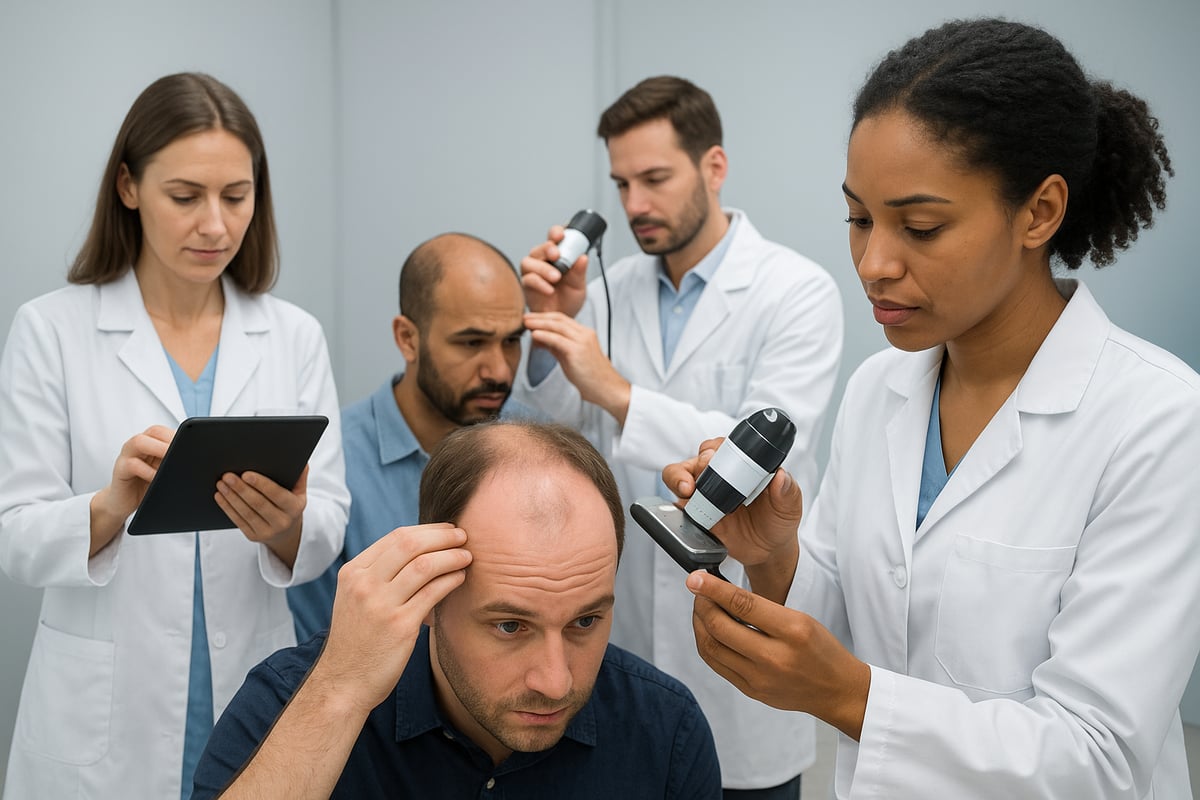
Understanding the distinctions between hair thinning, excessive shedding, and balding is crucial for anyone concerned about hair loss and balding. Thinning involves gradual reduction in hair density, while shedding refers to losing more hairs than usual each day. Balding typically presents as noticeable areas with little or no hair. Common patterns include male pattern baldness, which often starts at the temples or crown, and female pattern baldness, which usually causes diffuse thinning across the scalp. Types of alopecia include androgenetic (hereditary), areata (patchy loss), telogen effluvium (stress-induced), and scarring alopecia. By age 50, over half of men and 40 percent of women experience some form of hair loss and balding. Key signs include widening part lines, receding hairlines, and sudden patches of loss.
Key Causes and Risk Factors
The causes behind hair loss and balding are diverse and often interconnected. Genetics play a significant role, especially if there is a family history of similar issues. Hormonal shifts, such as those during menopause, pregnancy, or thyroid disorders, can trigger noticeable changes. Medical conditions, including autoimmune diseases, diabetes, and scalp infections, are also linked. Certain medications, like chemotherapy, antidepressants, and blood pressure drugs, may contribute to hair loss and balding as a side effect. Lifestyle factors such as poor diet, inadequate sleep, and chronic stress can further increase risk. For a deeper look at underlying causes and medical treatments, see Understanding Hair Loss Causes. Recognising these risk factors can empower individuals to seek timely intervention.
The Science Behind Hair Growth and Loss
The biology of hair loss and balding involves complex cycles and molecular signals. Hair follicles cycle through the anagen (growth), catagen (transition), telogen (rest), and exogen (shedding) phases. In pattern baldness, follicles gradually miniaturise, leading to thinner, weaker hair strands. Dihydrotestosterone (DHT), a hormone derived from testosterone, is known to shrink follicles and accelerate hair loss and balding in genetically predisposed individuals. Exciting breakthroughs in 2025 and 2026 have focused on follicle regeneration, offering new hope for restoring healthy hair growth. Research is now targeting the molecular pathways that control follicle life cycles, opening doors to more effective therapies.
Latest Diagnostic Tools and Technologies
Advancements in diagnostic technology have transformed the way hair loss and balding are assessed. Modern scalp imaging and trichoscopy provide high-resolution visualisation of follicles, revealing subtle changes unseen by the naked eye. Genetic testing can identify predisposition, helping to predict future risk. Blood tests assess nutritional and hormonal imbalances that may contribute to hair loss and balding. Artificial intelligence now plays a pivotal role, with AI-powered platforms predicting hair loss risk with up to 85 percent accuracy, according to a 2025 study. Early and precise diagnosis means treatment plans are more targeted and effective than ever before.
Societal Impact and Psychological Effects
The journey through hair loss and balding can have profound emotional and social consequences. Many people experience reduced self-esteem, anxiety, or even depression as a result of changing appearance. Social perceptions and lingering stigma can affect both personal and professional relationships. As awareness grows, demand for discreet, non-invasive, and instant solutions has surged. Support networks, online forums, and mental health resources now play a vital role in helping individuals cope with hair loss and balding. By seeking support and exploring new options, people can regain confidence and face the future with renewed optimism.
Advances in Hair Loss Treatments: 2026 Landscape
Navigating the world of hair loss and balding in 2026 means exploring a rapidly evolving landscape of treatments. From medical breakthroughs to innovative cosmetic aids, individuals facing hair loss and balding now have more options than ever. Understanding the latest advancements can help you make informed decisions about your hair restoration journey.
Medical Treatments: What’s New and What Works
Medical solutions for hair loss and balding have seen significant advancements. In 2026, both oral and topical medications remain foundational. Minoxidil and finasteride continue to be widely prescribed, but updated formulations have improved their effectiveness and absorption rates. For example, minoxidil foam now offers 15 percent better absorption due to enhanced delivery systems. You can find a comprehensive Minoxidil Overview for more detailed information about its uses and mechanisms.
Emerging therapies in late-stage trials include new oral agents targeting DHT and combination treatments that pair minoxidil with anti-inflammatory compounds. These combinations are showing promise for both male and female pattern hair loss and balding. Side effects are generally mild, but regular monitoring is recommended. Always consult a specialist before starting any medication.
Non-Surgical Solutions and Cosmetic Concealers
For those seeking immediate results, non-surgical cosmetic options play an essential role in managing hair loss and balding. Hair thickening sprays, fibres, and powders offer instant coverage and a natural look. Application techniques have evolved, allowing for seamless blending and colour matching with existing hair.
Longevity and water resistance have improved, meaning products last through daily activities and weather changes. According to a 2024 survey, over 75 percent of users report feeling more confident after using these solutions. Cosmetic concealers are ideal for those with diffuse thinning, patchy loss, or anyone not ready for medical or surgical interventions.
- Hair thickening sprays: Quick application, multiple shades
- Fibres: Static cling for fuller appearance
- Powders: Targeted coverage for small areas
RESTRAND: Instant Hair Thickening Solutions
RESTRAND stands out as the UK’s market leader in instant hair thickening solutions for hair loss and balding. Their product line includes Hair Thickening Spray in nine shades, Hair Building Fibres, Activator Spray, and a Styling Brush. These products deliver instant concealment with an undetectable, natural finish.
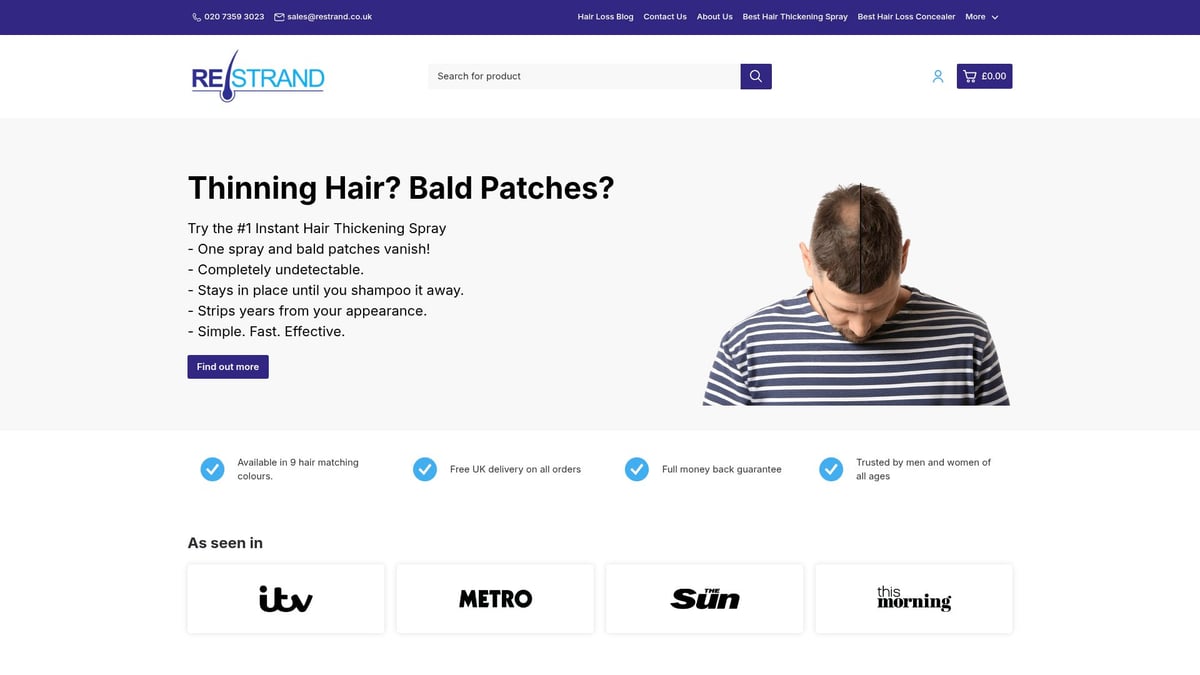
Benefits include long-lasting hold, safety for all ages and hair types, and suitability for men, women, and even children experiencing alopecia. RESTRAND has been featured in major UK media and is trusted by thousands. Customers frequently share testimonials about restored confidence and a renewed sense of self. Free UK delivery and a money-back guarantee make trying RESTRAND risk-free.
| Product | Key Benefit | Who It’s For |
|---|---|---|
| Thickening Spray | Instant coverage | Men, women, children |
| Hair Building Fibres | Fuller appearance | Patchy or diffuse loss |
| Activator Spray | Enhances fibres hold | All users |
Surgical and Regenerative Procedures
Surgical options for hair loss and balding have become more advanced and accessible. Hair transplants, including Follicular Unit Transplantation (FUT) and Follicular Unit Extraction (FUE), now benefit from robotic precision, reducing downtime and scarring. Satisfaction rates for FUE procedures exceed 90 percent as of 2025.
Regenerative therapies such as Platelet-Rich Plasma (PRP) injections have improved with better preparation methods, leading to enhanced follicle stimulation. Stem cell and exosome therapies are emerging, showing early success but are still under investigation. While these options can be transformative, they come with considerations around cost, recovery, and suitability. Always consult a qualified surgeon for personalised guidance.
Emerging Technologies and Future Directions
Innovation in hair loss and balding treatments continues to accelerate. Gene editing and CRISPR offer hope for those with hereditary conditions, with early trials showing the potential to switch off genes linked to follicle miniaturisation. 3D-printed hair follicles are moving into clinical trials, and scalp micro-pigmentation has evolved, providing even more realistic coverage for thinning areas.
Personalised medicine is on the rise, with treatments now tailored to an individual’s genetic profile and scalp health. By 2030, expect even more precise solutions that address the root causes of hair loss and balding, giving hope to millions seeking lasting results.
Prevention and Early Intervention Strategies
Taking proactive measures is essential for managing hair loss and balding before it becomes severe. Early intervention can halt progression, improve outcomes, and boost confidence. Understanding the triggers and adopting targeted strategies empowers individuals to tackle hair loss and balding with clarity.

Identifying Early Signs and When to Act
Early detection is vital for effective management of hair loss and balding. Watch for increased hair shedding on your pillow, in the shower, or on your brush. Notice if your part is widening, or if your hairline is receding.
Changes in hair texture, such as brittleness or sudden limpness, can signal underlying issues. Scalp irritation, redness, or visible patches should not be ignored. If you observe these signs, consult a trichologist or dermatologist promptly.
Timely assessment ensures you address hair loss and balding at a stage when treatments are most effective. Regular self-checks and professional guidance pave the way for better long-term results.
Nutrition and Lifestyle Factors
Nutrition is a cornerstone of prevention for hair loss and balding. A balanced diet rich in protein, iron, zinc, biotin, and vitamin D supports strong hair growth. Include foods like eggs, spinach, nuts, oily fish, and lentils in your meals.
Crash diets and nutritional deficiencies can accelerate hair loss and balding. Hydration is equally important, as dehydration weakens hair structure. Limit alcohol intake to reduce negative impacts on scalp health.
For a deeper understanding of how dietary choices influence hair loss and balding, explore Hair Loss and Nutrition Insights for practical tips and research-backed advice.
Stress Management and Scalp Care
Chronic stress is a well-known trigger for hair loss and balding. Adopt daily mindfulness routines, such as meditation, yoga, or deep breathing, to reduce stress levels. Regular physical activity helps regulate hormones and improve blood flow to the scalp.
Gentle scalp massage stimulates circulation and supports follicle health. Avoid harsh treatments, excessive heat, or tight hairstyles, as these can exacerbate hair loss and balding.
Prioritising stress reduction and scalp care forms a protective barrier against further progression and supports overall well-being.
Personalised Prevention Plans
Every individual’s risk of hair loss and balding is unique. Genetic testing can identify predisposition, allowing for tailored interventions. Custom supplement regimens, based on specific deficiencies, enhance hair resilience.
Early use of topical treatments, such as minoxidil, helps slow progression when started promptly. Digital apps and scalp imaging tools enable you to track changes over time and adjust your plan as needed.
Personalised strategies ensure your approach to hair loss and balding is both proactive and precise.
Myths vs. Facts: What Really Works
Misinformation about hair loss and balding is widespread. Many believe that hats cause baldness or that frequent washing leads to shedding, but evidence disproves these myths.
| Myth | Fact |
|---|---|
| Hats cause baldness | No scientific proof; hats do not impact hair follicles. |
| Frequent washing is bad | Clean scalps promote healthy hair growth. |
| Supplements always help | Only effective if deficiencies exist. |
Rely on evidence-based prevention methods and seek professional advice to avoid common pitfalls. Understanding the truth about hair loss and balding allows you to make informed decisions for lasting results.
Navigating Hair Loss Solutions: Step-by-Step Guide
Confronting hair loss and balding can feel daunting, but a structured approach makes the journey clearer and less stressful. This step-by-step guide empowers you to take control, understand your options, and build confidence at every stage.

Step 1: Assess and Diagnose
Begin your journey by observing changes in your hair. Notice increased shedding, thinning, or changes in texture. Early detection is crucial for managing hair loss and balding effectively.
Consider self-assessment tools, such as tracking daily shedding or photographing your scalp monthly. If you spot concerning signs, consult a GP, dermatologist, or trichologist. These professionals can perform diagnostic tests like blood work, scalp imaging, or genetic screening.
Setting realistic expectations during this stage helps you make informed decisions. Remember, the sooner you act, the more options you have for managing hair loss and balding.
Step 2: Explore Treatment Options
Once diagnosed, review the full spectrum of treatments for hair loss and balding. Medical solutions include topical or oral medications, while non-surgical options span thickening sprays and fibres.
Surgical procedures, such as FUE or FUT hair transplantation, may suit certain cases. Cosmetic solutions and lifestyle changes can also play a key role. Weigh the pros, cons, costs, and suitability of each option.
Consult with specialists to tailor advice to your needs and budget. This step ensures you choose solutions that align with your unique experience of hair loss and balding.
Step 3: Implement a Personalised Plan
Combine the most appropriate treatments into a personalised regimen. This might include medication, dietary adjustments, scalp care, or cosmetic products. Consistency is key for visible improvements in hair loss and balding.
Track your progress with regular photos or mobile apps. Adjust your plan based on results and professional feedback. Remember, what works for one person may differ for another, so remain patient and flexible as you refine your strategy.
Step 4: Maintain Results and Prevent Further Loss
Maintaining gains is as important as initial treatment. Continue healthy habits like regular scalp care, balanced nutrition, and stress management.
Use maintenance products and schedule periodic check-ins with your trichologist or dermatologist. Staying updated on new advancements helps you adapt your routine if needed.
Ongoing vigilance is vital for minimising the impact of hair loss and balding over time.
Step 5: Address Psychological and Social Aspects
Hair loss and balding can affect confidence and emotional wellbeing. Focus on building self-esteem through positive self-talk and supportive networks.
Consider joining support groups or seeking counselling if needed. Embrace cosmetic aids, such as discreet thickening sprays or wigs, to boost confidence in social situations.
Accessing resources like Coping with Hair Loss: Support and Help can provide valuable advice and connection with others experiencing similar challenges.
Step 6: When to Re-evaluate or Seek Advanced Solutions
If progress stalls or your needs change, it may be time to revisit your approach. Re-evaluate your plan with your healthcare provider, considering new or advanced treatments.
Explore surgical or regenerative options if appropriate for your stage of hair loss and balding. Seeking a second opinion can also offer fresh perspectives and renewed hope.
Stay proactive, and remember that solutions continue to evolve, offering new possibilities for regaining control and confidence.
Living with Hair Loss: Real Stories, Support, and Confidence Building
Facing hair loss and balding can feel like a personal journey, but you are not alone. Across the UK, people of all ages and backgrounds share their experiences and find ways to regain confidence. This section explores real stories, community support, and practical tips for building self-esteem and embracing change.
Personal Experiences and Success Stories
Stories of hair loss and balding often begin with uncertainty, but many find hope through shared experiences. Men and women describe coping with early onset or gradual thinning, with some turning to medical treatments while others embrace cosmetic solutions or hair transplants.
For example, Jane, who began losing hair at 28, regained her confidence after a combination of topical treatments and joining a support group. Mark, experiencing pattern baldness, achieved natural-looking results through a surgical procedure. These stories highlight how addressing hair loss and balding can positively impact self-esteem and relationships, reminding others that progress is possible.
Building Confidence and Embracing Change
Psychological resilience is essential for anyone navigating hair loss and balding. Cultivating a positive mindset helps counteract negative self-talk. Many find strength by experimenting with new haircuts, accessories, or even vibrant colours.
Embracing baldness is also empowering. Public figures and influencers have normalised hair loss and balding, showing that confidence comes from within. According to a 2024 survey, 60% of respondents reported an improved self-image after seeking help for hair loss and balding. Simple styling tips and supportive communities can make a significant difference in daily confidence.
Support Networks and Resources
Accessing the right support is vital for those affected by hair loss and balding. Online forums, local groups, and professional counselling offer spaces to share experiences and strategies. UK-based charities and organisations provide guidance, while family and friends play a crucial role in emotional support.
| Resource Type | Example | Benefit |
|---|---|---|
| Online Communities | Alopecia UK Forums | Peer support |
| Professional Help | Trichologists, Therapists | Personalised advice |
| Charities | Little Princess Trust | Practical assistance |
Connecting with others who understand hair loss and balding can reduce isolation and foster resilience.
Navigating Workplace and Social Scenarios
Workplace and social environments often introduce unique challenges for those experiencing hair loss and balding. Handling comments or questions requires preparation and self-assurance. The UK has strengthened anti-discrimination policies, ensuring protection for individuals facing appearance-based bias. In fact, the ISHRS 2025 Practice Census Results indicate a notable rise in hair restoration treatments among younger adults and women, reflecting increased societal awareness.
Tips for success include practising responses to intrusive questions, understanding your rights, and seeking supportive colleagues. These steps can help individuals with hair loss and balding navigate public speaking, dating, and events with confidence.
Looking Forward: Acceptance and Empowerment
Society’s definition of beauty is evolving, and hair loss and balding are becoming part of that new narrative. Advocacy efforts raise awareness and combat stigma, encouraging acceptance and empowerment.
Many people shift their focus from concealment to confidence, using resources for ongoing education and self-care. The future promises even greater support, with communities and professionals working together to ensure everyone affected by hair loss and balding can thrive and feel valued.
As you’ve discovered throughout this guide, understanding hair loss in 2026 means staying informed about the latest science, innovative treatments, and effective ways to boost your confidence—whether that’s through medical solutions, lifestyle changes, or reliable cosmetic options. If you’re ready to take the next step towards a fuller looking, healthier head of hair, why not explore the UK’s trusted choice for instant results? You deserve to feel confident and supported on your journey.
Find Out More