Struggling to manage your thick hair? You are not alone. Many people find that caring for thick hair can be challenging, but the right approach can make all the difference.
This guide reveals the ultimate thick hair care routine, built on the latest research and expert advice for 2026. Whether you want to tame frizz, speed up drying time, or simply make your hair more manageable, you will find actionable solutions here.
Explore the science behind thick hair, discover step-by-step routines, get product recommendations, and learn proven styling strategies. You will also find expert answers to common problems faced by those with thick hair.
Thick hair is desirable, yet it often feels overwhelming. Imagine having soft, healthy, and easy-to-style hair every day. Ready to transform your hair care? Start reading for future-focused results.
Understanding Thick Hair: Science, Structure & Unique Needs
Thick hair is often admired for its fullness, but understanding its unique properties is essential for an effective thick hair care routine. By exploring the science behind thickness, common challenges, and the benefits, you can unlock the best strategies for your hair type.
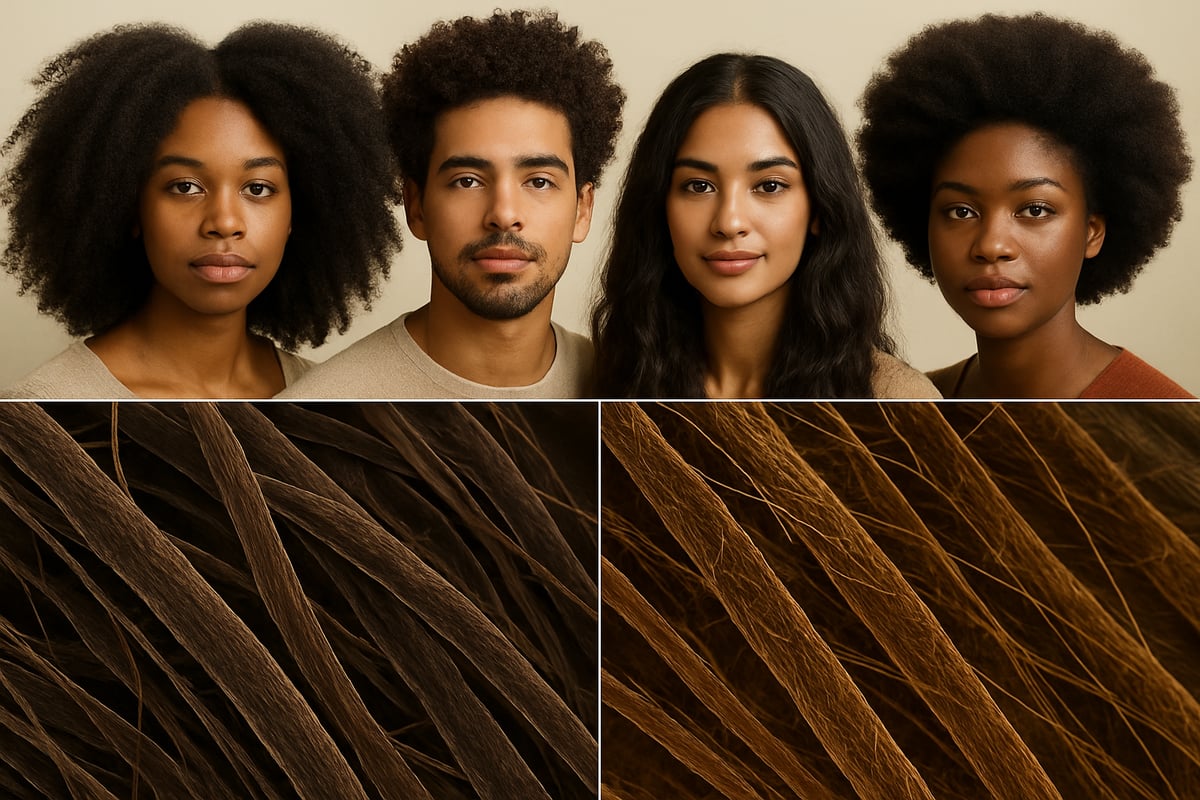
What Makes Hair “Thick”? Defining Density and Diameter
Hair thickness is measured by two main factors: the number of hair follicles per square centimetre (density) and the diameter of each strand. Thick hair typically features both a higher density and larger strand diameter compared to fine hair. However, not all thick hair is the same. Coarse hair refers to the width of individual strands, while voluminous hair describes the overall fullness, which can result from either high density or increased diameter.
Genetics and ethnicity play a major role in hair thickness. For example, studies show Asian hair types have approximately 30 percent higher density than other populations. Under a microscope, thick hair strands look rounder and more robust than fine hair, which appear thinner and more fragile.
| Feature | Thick Hair | Fine Hair |
|---|---|---|
| Density | High (many follicles) | Low |
| Strand Size | Wide diameter | Narrow diameter |
| Texture | Can be coarse or smooth | Usually smooth |
These differences mean a thick hair care routine must be tailored, not generic. For further strategies, the Comprehensive Thick Hair Care Guide offers expert insights on how to build routines that work for your hair’s structure.
Common Challenges Faced by People with Thick Hair
People with thick hair often face a unique set of challenges that require a considered thick hair care routine. One major issue is dryness. With so much hair, natural scalp oils struggle to reach the ends, leaving strands parched. This dryness often leads to increased tangling and persistent knots, making detangling a daily task.
Another challenge is longer drying times. It takes much longer for thick hair to air dry, increasing the temptation to use heat tools, which may result in damage over time. The sheer bulk of thick hair can make styling, braiding, or creating updos more difficult.
Frizz is another common complaint, especially in humid climates. In fact, surveys reveal that over 60 percent of people with thick hair rate frizz as their top concern. These challenges highlight the need for a thick hair care routine that addresses moisture, detangling, and styling needs.
Benefits of Thick Hair: Strengths You Can Embrace
Despite the challenges, thick hair provides numerous benefits that can be harnessed with the right thick hair care routine. First, it offers remarkable styling versatility. Thick hair holds curls, braids, and voluminous styles with ease, giving you more creative freedom.
It is also less prone to breakage compared to finer hair. The strength and resilience of thick strands mean they can withstand more styling and environmental stress. Additionally, thick hair acts as a natural shield, protecting the scalp from sun exposure and pollution.
Many celebrities and influencers proudly showcase their thick hair, turning what some see as a challenge into a signature asset. With the proper routine, thick hair truly becomes a beauty superpower, offering both resilience and endless styling possibilities.
Step-by-Step Thick Hair Care Routine for 2026
Unlocking the full potential of your hair starts with a dedicated thick hair care routine. By following expert guidance and using targeted products, you can overcome common challenges and enjoy manageable, healthy hair every day.
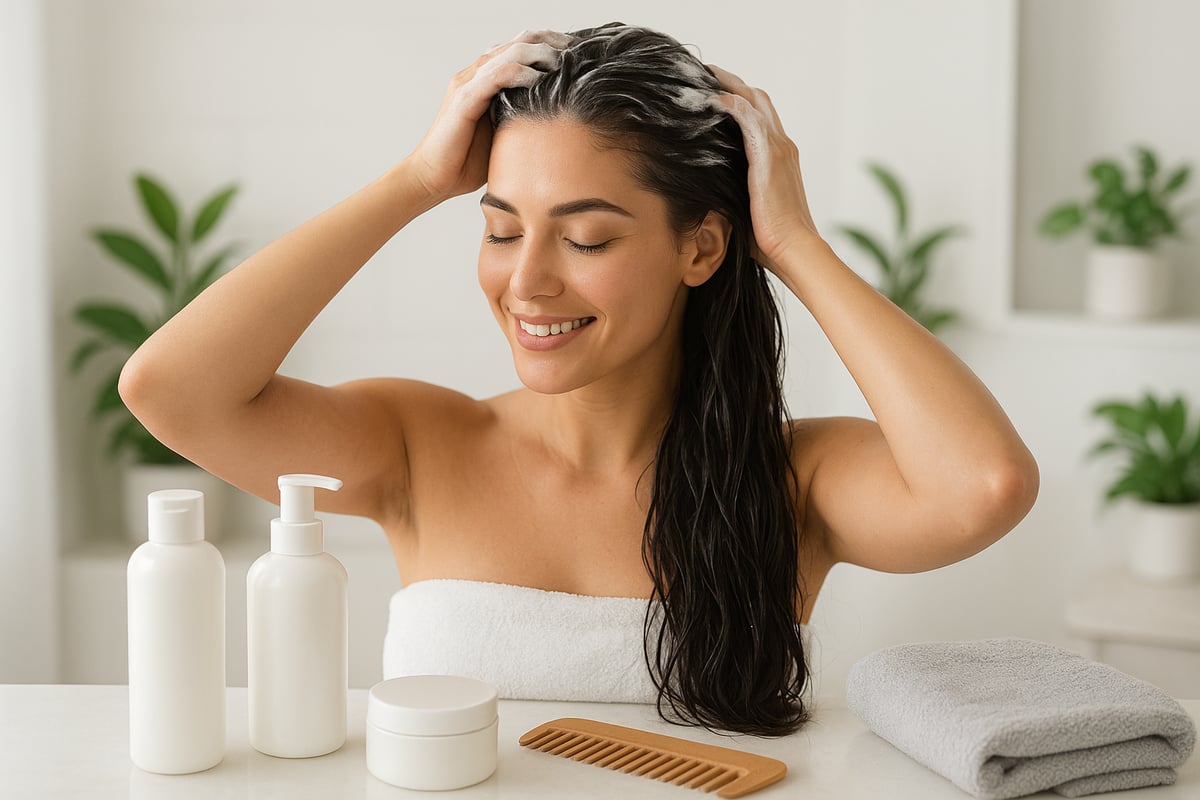
Step 1: Cleansing—Washing Without Stripping
A successful thick hair care routine begins with gentle cleansing. Thick hair benefits from washing two to three times per week, which helps retain the natural oils essential for shine and softness.
Choose a sulphate-free, moisturising shampoo with ingredients like aloe vera or argan oil. These formulas cleanse without removing hydration, supporting scalp health and reducing frizz. Use your fingertips to massage the scalp in circular motions, promoting circulation and ensuring an even clean across dense strands.
According to recent studies, 70 percent of people who follow this approach in their thick hair care routine report noticeably less frizz and dryness.
Step 2: Conditioning and Deep Moisturising
After cleansing, conditioning is vital. Opt for rich, silicone-free conditioners that detangle and deeply hydrate. Focus on applying conditioner from the mid-lengths to the ends, where thick hair is most prone to dryness and bulk.
Incorporate weekly deep conditioning masks using shea butter or coconut oil to replenish lost moisture. This extra nourishment helps keep hair soft, reduces frizz, and improves manageability. Regular deep moisture treatments are a cornerstone of an effective thick hair care routine, especially for those seeking smoother, more defined strands.
Step 3: Detangling—Tools, Techniques, and Timing
Detangling is often a challenge in any thick hair care routine. Always detangle when hair is wet and conditioned. Use a wide-tooth comb or a detangling brush, starting at the ends and working upwards in sections to prevent breakage.
Applying a leave-in conditioner or detangling spray beforehand makes the process smoother. A microfibre towel gently absorbs excess water and reduces friction, further minimising split ends. For best results, consider using an effective detangling styling brush specifically designed for thick hair. Research shows that proper detangling techniques can reduce split ends by up to 40 percent.
Step 4: Moisture Lock—Leave-Ins and Oils
Sealing in moisture is essential for a thriving thick hair care routine. After washing and conditioning, apply a leave-in conditioner and a lightweight oil such as argan or jojoba. The “LOC” method—liquid, oil, cream—works especially well for thick hair, providing long-lasting hydration.
Avoid heavy silicones, which can weigh hair down and lead to buildup. Tailor your approach: curly thick hair may benefit from richer creams, while straight thick hair often needs lighter products. Studies confirm that using leave-in products increases manageability by 60 percent, making this step indispensable.
Step 5: Styling and Heat Protection
Styling thick hair requires both control and protection. Use anti-frizz serums, creams, or mousse to tame flyaways and maintain style. Always apply a heat protectant spray before blow-drying or straightening to shield hair from thermal damage.
Choose tools like ionic dryers or ceramic straighteners to minimise heat exposure. For a natural look, try air-drying in braids to create soft waves. Incorporating these practices into your thick hair care routine helps maintain strength and vibrancy, even with regular styling.
Step 6: Regular Trimming and Professional Treatments
Maintenance is the final element of a robust thick hair care routine. Trim your hair every 8 to 12 weeks to prevent split ends and manage bulk. Regular salon treatments, such as keratin, glossing, or moisture infusions, further enhance health and shine.
Consistent trims transform unruly hair into a manageable, polished style. Before-and-after results from regular professional care highlight the importance of ongoing maintenance in achieving long-term hair health.
Choosing the Right Products for Thick Hair
Selecting the best products is the cornerstone of an effective thick hair care routine. With so many choices on the market, knowing what works for your hair type is essential. High-quality products tailored to thick hair can make a dramatic difference in manageability, health, and style.
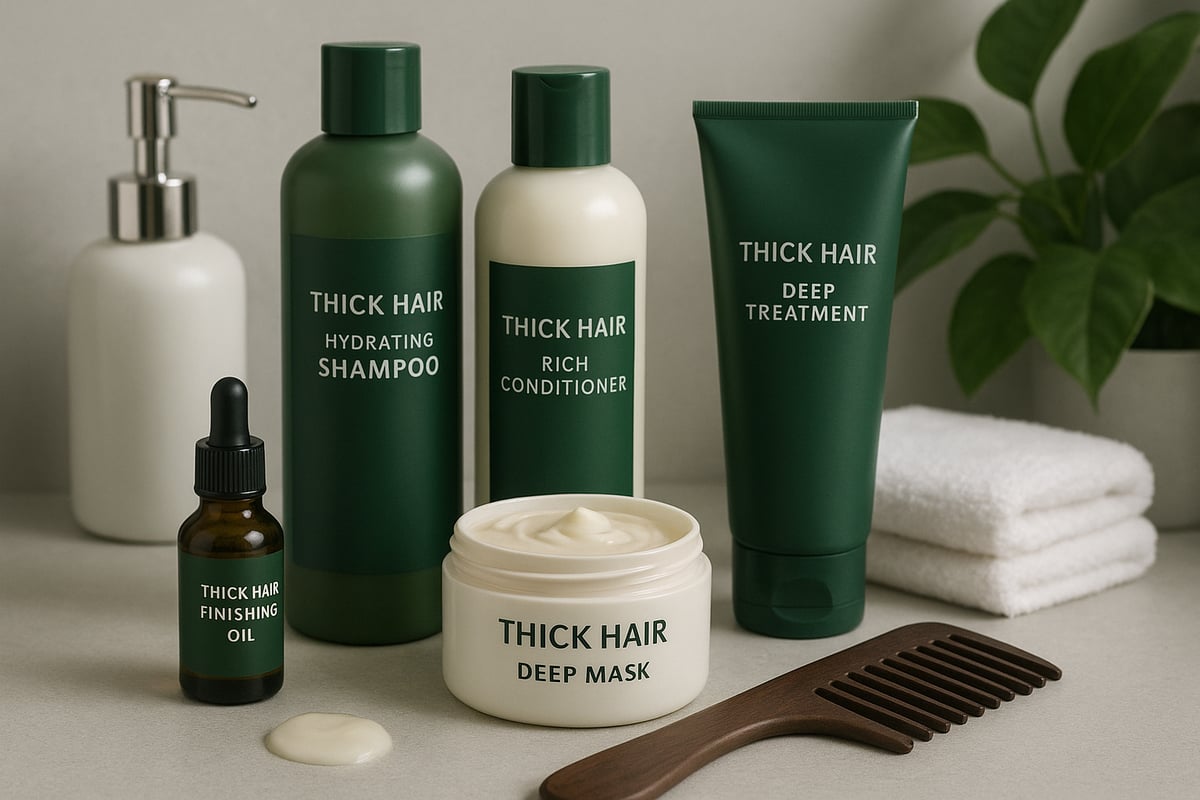
Shampoo & Conditioner Selection for Thick Hair
The foundation of any thick hair care routine is the right shampoo and conditioner. Thick hair often needs extra hydration and nourishment, so look for formulas that are free from harsh sulphates and packed with moisturising ingredients. Balancing protein and moisture is important, especially if your hair is colour-treated or heat-styled.
Consider the table below for top product features:
| Product Type | Key Ingredients | Best For |
|---|---|---|
| Hydrating | Argan oil, aloe | Dry or frizzy thick hair |
| Protein-rich | Keratin, silk protein | Strengthening and repair |
| Moisture-rich | Shea butter, coconut | Daily hydration and softness |
According to Dermatologists’ Tips for Strong, Thick Hair, using the correct shampoo and conditioner can significantly improve the results of your thick hair care routine.
Deep Conditioners, Masks, and Leave-Ins
Deep conditioners and masks are vital for keeping thick hair soft and manageable. For your thick hair care routine, opt for products featuring shea butter, keratin, coconut oil, or panthenol. These ingredients deliver deep moisture and help prevent frizz and breakage.
Apply a deep mask at least once a week for best results. Some people find biweekly treatments sufficient, depending on their hair’s porosity and condition. Leave-in conditioners are also excellent for daily hydration and detangling. Incorporating these steps ensures your thick hair care routine is both restorative and protective.
Detanglers and Brushes: What Works Best?
Detangling is a crucial part of any thick hair care routine. Choose wide-tooth combs, paddle brushes, and detangling sprays designed specifically for thick textures. Boar bristle brushes are gentle and help distribute natural oils, while microfibre towels minimise friction and breakage.
- Wide-tooth combs for wet detangling
- Paddle brushes for smoothness
- Microfibre towels to speed up drying
Studies show that 80% of thick-haired users experience less breakage with the right tools. Making these choices a regular part of your thick hair care routine can lead to healthier, shinier hair.
Styling Products for Volume, Frizz, and Hold
Styling products are essential for controlling volume and frizz in your thick hair care routine. Opt for anti-frizz serums, lightweight mousses, and curl creams that suit your hair’s texture. Avoid alcohol-heavy products since they can dry out and damage thick strands.
For straight thick hair, lightweight creams and smoothing serums work best. Curly thick hair benefits from curl-defining creams and anti-humidity sprays. Experiment with different formulas to find what fits your thick hair care routine and desired style.
Heat Protectants and Finishing Oils
Heat styling can be harsh on thick hair, so thermal protection is a must in any thick hair care routine. Look for sprays and creams that shield hair from high temperatures. Natural oils like argan and jojoba add shine and smoothness without weighing hair down.
Apply a finishing oil after styling to lock in moisture and enhance gloss. Reviews highlight that consistent use of protectants and oils keeps thick hair looking healthy and vibrant. This final step completes your thick hair care routine, ensuring long-lasting results.
Personalising Your Routine: Adapting to Hair Type, Lifestyle, and Season
Adapting your thick hair care routine is essential for achieving the healthiest, most manageable locks year-round. By tailoring your approach to your hair type, lifestyle, and the changing seasons, you can bring out the best in your hair and address its unique needs.
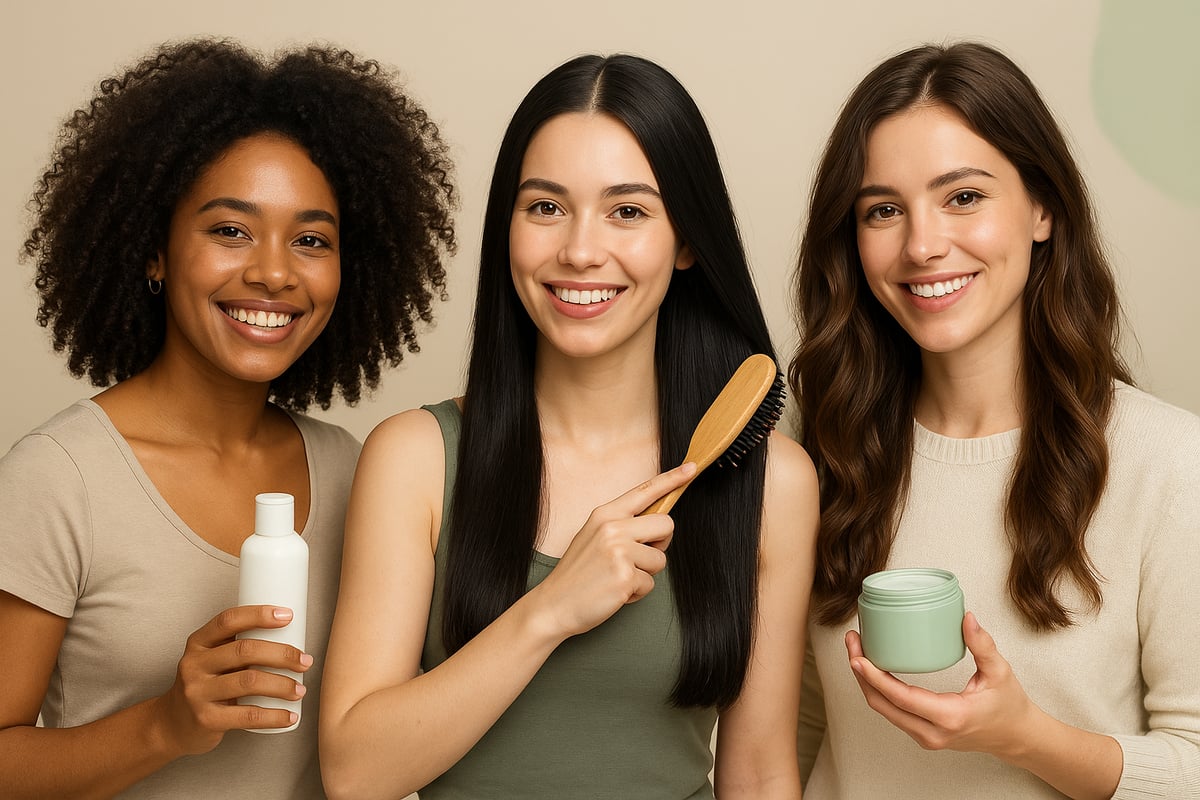
Curly, Wavy, or Straight: Tailoring Your Thick Hair Care
Every hair texture benefits from a customised thick hair care routine. Curly thick hair needs increased moisture and gentle detangling, while straight hair often requires more focus on anti-frizz and weightless hydration. Wavy hair sits in between, benefiting from a balanced approach.
- Curly: Use heavier creams and deep conditioners to enhance definition and softness.
- Wavy: Choose lightweight leave-ins and mousse for bounce without heaviness.
- Straight: Prioritise smoothing serums and anti-frizz sprays for sleekness.
For expert tips on tackling frizz, see this anti-frizz and hair care advice to refine your thick hair care routine. Adjusting to your natural pattern ensures your hair looks its best every day.
Colour-Treated, Chemically Processed, or Natural
If your thick hair is coloured or chemically treated, your thick hair care routine should focus on repairing and protecting. Use sulphate-free, colour-safe shampoos and conditioners to prevent fading and dryness.
- Deep conditioning weekly helps restore lost moisture.
- Consider protein treatments if hair feels weak or brittle.
- For natural thick hair, maintain hydration and protect from environmental stressors.
Always reduce heat styling and opt for gentle detangling. This approach keeps your thick hair vibrant and resilient, no matter its condition.
Lifestyle Factors: Active, Urban, or Travelling
Your daily life influences how you maintain your thick hair care routine. Active individuals may need more frequent cleansing to remove sweat and buildup. Urban environments often require additional protection from pollution.
- Use protective styles like braids or buns for workouts.
- Apply leave-in conditioners to shield hair from city air.
- When travelling, pack travel-sized essentials and a silk pillowcase for on-the-go care.
Adjusting your thick hair care routine to your lifestyle keeps your hair healthy and manageable, wherever life takes you.
Seasonal Adjustments: Humidity, Dryness, and Sun
Seasons can dramatically affect your thick hair care routine. In summer, increased humidity may cause frizz, while winter brings dryness and static.
- Summer: Use UV-protectant sprays and anti-humidity products.
- Winter: Add richer creams and scalp treatments for extra hydration.
- Spring/Autumn: Switch to lighter formulas as the weather transitions.
By rotating products and techniques with the seasons, your thick hair remains nourished and protected all year long.
Solving Common Thick Hair Problems: Expert Tips & FAQs
Struggling with everyday thick hair issues? You are not alone. Even with the best thick hair care routine, frizz, tangles, drying delays, and scalp challenges can crop up. Here, you will find expert-backed solutions, practical tips, and real-life examples to keep your thick hair looking and feeling its best.
Managing Frizz, Bulk, and Volume
Taming frizz and reducing bulk is a top priority in any thick hair care routine. Layered haircuts and salon thinning techniques help distribute weight for easier styling. Anti-humidity products and smoothing serums can be your daily defence against poofiness.
Try applying an anti-frizz serum before styling, then follow with a lightweight mousse for hold. For added control and volume, consider the Best hair thickening spray tips, which offer targeted solutions for volume without heaviness. Many find that regular use of these products transforms thick hair from unruly to sleek.
Speeding Up Drying Time
Long drying times are a common frustration in a thick hair care routine. Microfibre towels absorb excess water quickly, making them ideal for thick hair. Follow with a quick-dry spray and use a diffuser attachment on your hairdryer to distribute heat evenly.
Section your hair into smaller parts to ensure each area dries thoroughly. Studies show that microfibre towels can reduce drying time by up to 50 percent, minimising the risk of heat damage and leaving hair smoother and healthier.
Preventing and Fixing Tangles
Tangles and knots are inevitable, but a smart thick hair care routine can minimise them. Start by braiding your hair at night to prevent knots. Sleeping on a silk pillowcase reduces friction, while a daily detangling spray makes combing easier.
Regular trims help keep ends healthy and less prone to snags. Many users report that a gentle detangling routine in the morning and before bed keeps thick hair manageable and free from painful knots.
Scalp Care for Thick Hair
A healthy scalp is the foundation of a successful thick hair care routine. Thick hair can make it harder to cleanse the scalp thoroughly, so use a scalp massager or exfoliating brush once a week. Clarifying shampoos also help remove product buildup.
For those with textured or chemically-treated thick hair, understanding porosity and resistance is crucial. The Porosity and Resistance of Textured Hair Study offers valuable insights into how different hair types respond to care routines, helping you tailor your scalp care for best results.
Frequently Asked Questions
How often should you wash thick hair?
Aim for two to three times per week in your thick hair care routine to maintain natural oils.
What products are best for frizz control?
Look for anti-frizz serums and leave-in conditioners designed for thick hair.
Is air drying or blow drying better for thick hair?
Air drying minimises damage, but blow drying with a diffuser and heat protectant is effective for faster results.
Can thick hair be thinned safely?
Yes, but always seek a professional stylist familiar with thick hair care routine techniques.
Should you brush thick hair when wet or dry?
Detangle wet with a wide-tooth comb and leave-in conditioner for best results.
Advanced Styling Strategies for Thick Hair
Unlocking the full potential of your thick hair care routine means mastering both everyday and advanced styling strategies. Whether you prefer classic updos, bold waves, or creative accessories, understanding the right techniques can transform thick hair from challenging to captivating. Explore these expert-approved approaches for 2026 to keep your thick hair care routine fresh and effective.
Everyday Styles: Braids, Buns, and Ponytails
Thick hair can be both a blessing and a challenge when it comes to daily styling. For a secure, stylish look, opt for braids, buns, or ponytails that distribute weight evenly and minimise tension on the scalp.
- Use strong, seamless elastics or scrunchies to prevent breakage.
- Section hair before braiding or twisting to ensure even tension.
- Try a step-by-step bun: gather hair into a high ponytail, twist into a coil, and secure with pins or a sturdy clip.
Incorporating these methods into your thick hair care routine provides versatility and durability, allowing you to enjoy different looks without compromising hair health.
Heat Styling: Curls, Waves, and Sleek Looks
Heat styling can add definition and polish to thick hair, but it requires careful technique to avoid damage. Always start by dividing hair into manageable sections to ensure even heat distribution. Use low to medium heat settings and invest in quality tools like ceramic straighteners or ionic dryers.
For those seeking additional control or creative solutions, consider integrating spray-on hair solutions guide into your thick hair care routine. These products can help tame flyaways, add volume, or enhance texture as you style. Remember, always finish with a heat protectant to shield strands and maintain long-term hair health.
Protective Styles for Health and Growth
Protective styles are essential for maintaining the integrity of thick hair, especially if your thick hair care routine involves frequent styling. Braids, twists, and updos help minimise manipulation and reduce breakage.
- Choose low-tension styles that do not pull on the scalp.
- At night, use silk scarves or bonnets to protect against friction.
- Rotate styles regularly to prevent strain on the same areas.
These strategies not only preserve length and strength but also support healthy growth by reducing daily wear and tear.
Accessorising Thick Hair: Trends for 2026
Accessories are more than just decorative—they are practical tools in a thick hair care routine. For 2026, expect to see bold hair jewellery, wide headbands, and oversized clips designed specifically for volume.
When choosing accessories:
- Opt for snag-free materials that glide smoothly through hair.
- Select larger clips or pins that can handle bulk without slipping.
- Embrace statement pieces that showcase your hair’s natural fullness.
With the right accessories, you can elevate simple styles and express your personality while protecting your thick strands.
Colour and Texture Play: Highlights, Lowlights, and Balayage
Enhancing thick hair with colour and texture can create stunning dimension, but it requires expertise. Balayage and highlights are excellent choices for adding depth without overwhelming the hair’s natural body.
- Consult a professional for even, damage-free application.
- If colouring at home, follow instructions closely and use products formulated for thick hair.
- Incorporate nourishing treatments into your thick hair care routine to maintain brightness and softness.
By tailoring colour techniques to your hair’s structure, you can achieve vibrant, healthy results that highlight the unique beauty of your thick hair.
After exploring the best routines and expert advice for managing thick hair, you now have the tools to truly embrace its strengths and overcome daily challenges. Whether you’re seeking to add extra fullness, conceal thinning areas, or simply boost your confidence, choosing the right products makes all the difference. If you’re ready to take your thick hair routine to the next level with innovative solutions trusted across the UK, I recommend you Find Out More about instant hair thickening sprays designed to help you achieve the healthier, fuller look you deserve.