Discovering bald patches on head can be an unsettling experience that affects confidence and self-esteem. These patches of hair loss can appear suddenly or develop gradually, ranging from small coin-sized spots to larger areas of complete baldness. Understanding the underlying causes, available treatment options, and effective concealment methods is essential for anyone dealing with this common condition. Whether you're experiencing your first patch or managing a long-term condition, knowing your options empowers you to take control of your appearance and wellbeing.
Understanding Different Types of Bald Patches
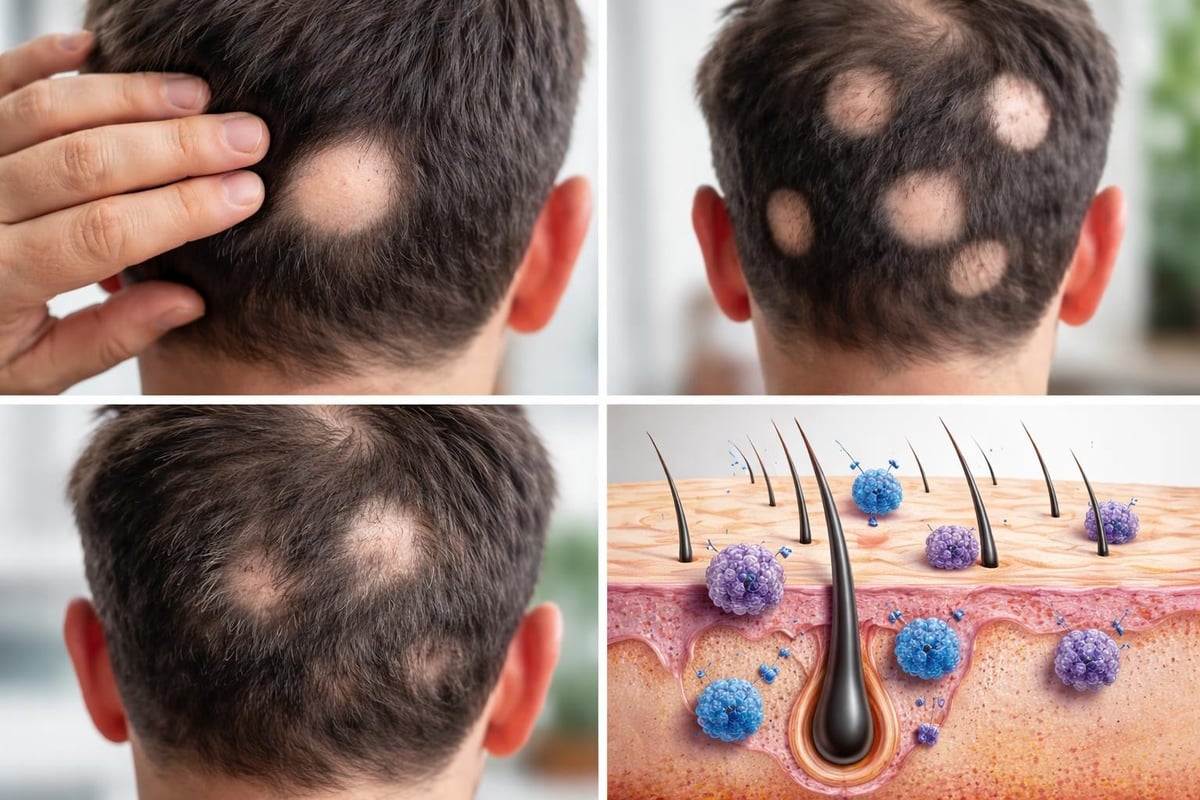
Bald patches on the scalp manifest in various patterns and sizes, each often indicating different underlying causes. The most common presentation is alopecia areata, which typically creates smooth, round patches where hair has completely fallen out. These patches can appear anywhere on the scalp and may be as small as a 20p coin or as large as several centimetres in diameter.
Alopecia Areata and Its Characteristics
Alopecia areata is an autoimmune condition where the body's immune system mistakenly attacks hair follicles. This results in distinct patches of complete hair loss that develop quite rapidly, sometimes within just a few weeks.
Key characteristics include:
- Smooth, round or oval patches with no visible inflammation
- Exclamation mark hairs at the patch borders (short, broken hairs)
- Potential for patches to merge into larger areas
- Possible nail changes including pitting or ridging
- Hair often regrows white or fine initially
The condition can affect anyone regardless of age, gender, or ethnicity, though it most commonly begins before age 30. According to comprehensive medical resources, approximately 2% of the population will experience this condition at some point in their lives.
Traction Alopecia and Mechanical Hair Loss
Unlike autoimmune conditions, traction alopecia develops from prolonged tension on hair follicles. This type of bald patches on head typically appears along the hairline, temples, or areas where hair is repeatedly pulled tight.
Common causes include:
- Tight ponytails, braids, or buns worn regularly
- Hair extensions that place excessive weight on follicles
- Tight headwear worn for extended periods
- Chemical treatments combined with tension styling
- Repeated use of heated styling tools in the same areas
The good news is that traction alopecia can often be reversed if caught early, before permanent follicle damage occurs. Changing hairstyling practices and allowing hair to rest can promote regrowth within months.
Medical Causes Behind Bald Patches
Understanding the medical factors that contribute to bald patches on head helps in selecting appropriate treatments and management strategies. Many conditions share similar symptoms but require different approaches.
Autoimmune and Inflammatory Conditions
The immune system plays a significant role in several types of patchy hair loss. MedlinePlus provides detailed information on how autoimmune responses trigger sudden hair loss in otherwise healthy individuals.
| Condition | Pattern | Regrowth Potential | Timeline |
|---|---|---|---|
| Alopecia Areata | Circular patches | Good (80% within a year) | Weeks to months |
| Discoid Lupus | Irregular patches with scarring | Poor (permanent damage) | Gradual progression |
| Lichen Planopilaris | Crown and temples | Poor (scarring) | Slow development |
| Psoriasis-related | Scaly patches | Good with treatment | Variable |
Autoimmune conditions require professional diagnosis and often respond to medical interventions such as corticosteroid injections, topical immunotherapy, or systemic medications.
Infections and Fungal Causes
Scalp infections can create temporary bald patches on head that typically resolve with appropriate treatment. Fungal infections like ringworm (tinea capitis) produce scaly, inflamed patches with broken hair shafts rather than complete baldness.
Warning signs of infection include:
- Redness, swelling, or tenderness around patches
- Scaling, crusting, or oozing from the affected area
- Broken hairs at varying lengths
- Spreading pattern over days or weeks
- Associated itching or burning sensations
These conditions require antifungal medications, either topical or oral, prescribed by a healthcare professional. Early treatment prevents permanent follicle damage and reduces spread to other areas or individuals.
Hormonal and Nutritional Factors
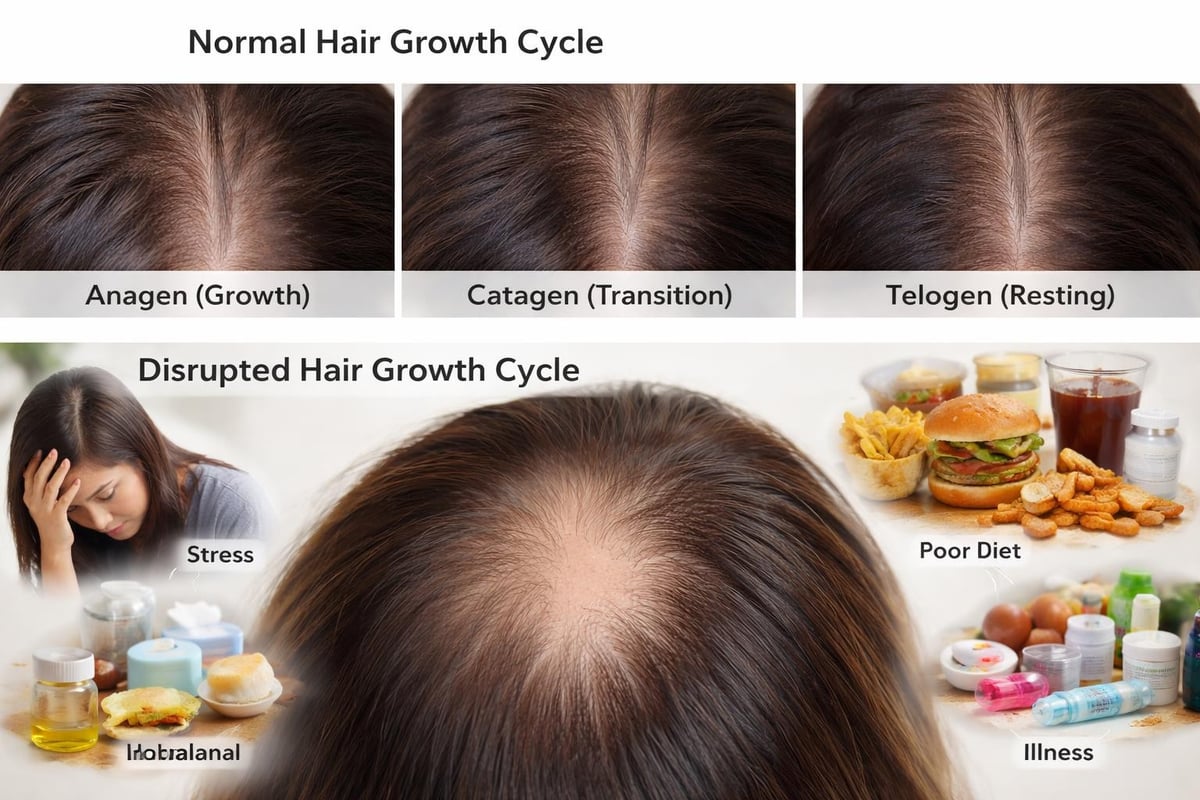
Hormonal imbalances and nutritional deficiencies can manifest as patchy or diffuse hair loss across the scalp. These causes often affect hair quality as well as quantity, with remaining hair appearing thinner or more fragile.
Thyroid Dysfunction and Hair Loss
Both hyperthyroidism (overactive thyroid) and hypothyroidism (underactive thyroid) can cause bald patches on head or generalised thinning. The thyroid hormones regulate metabolism, including the hair growth cycle, so any imbalance disrupts normal hair production.
Thyroid-related hair loss typically presents as:
- Overall thinning rather than distinct patches
- Dry, brittle hair texture
- Slow regrowth after hair falls out
- Hair loss accompanied by other symptoms (weight changes, fatigue, temperature sensitivity)
- Improvement once thyroid levels are corrected
Blood tests can identify thyroid issues, and appropriate medication usually restores normal hair growth within several months of achieving balanced hormone levels.
Nutritional Deficiencies
Inadequate nutrition deprives hair follicles of essential building blocks needed for healthy growth. Iron deficiency anaemia is particularly associated with increased hair shedding and potential patch development.
Critical nutrients for hair health:
- Iron – Essential for oxygen transport to follicles
- Protein – The building block of hair structure
- Biotin (B7) – Supports keratin production
- Vitamin D – Influences follicle cycling
- Zinc – Regulates growth and repair processes
Addressing deficiencies through dietary changes or supplementation can promote regrowth, though results typically take three to six months to become visible. For comprehensive guidance on medical aspects of hair loss, evidence-based information helps separate fact from fiction.
Treatment Options for Bald Patches
Effective treatment depends on accurate diagnosis of the underlying cause. Consulting with a dermatologist or trichologist ensures you receive appropriate interventions for your specific type of bald patches on head.
Medical Treatments and Interventions
Professional medical treatments offer varying success rates depending on the condition being addressed. Saint Luke’s Health System outlines that many treatments work by either suppressing the immune attack on follicles or stimulating regrowth through other mechanisms.
Common medical approaches include:
- Corticosteroid injections – Delivered directly into patches every 4-6 weeks
- Topical immunotherapy – Triggers an allergic reaction to redirect immune response
- Minoxidil solution – Stimulates follicles and extends growth phase
- JAK inhibitors – Newer oral medications blocking immune pathways
- Platelet-rich plasma (PRP) – Uses concentrated growth factors from your own blood
Response rates vary significantly between individuals, with some experiencing complete regrowth whilst others see minimal improvement. Treatment often requires patience, with visible results taking three to six months or longer.
Lifestyle Modifications and Home Care
Supporting medical treatments with appropriate lifestyle changes enhances overall hair health and may improve outcomes. Simple adjustments reduce additional stress on vulnerable follicles.
| Modification | Benefit | Implementation |
|---|---|---|
| Gentle hair handling | Reduces mechanical damage | Use wide-tooth combs, avoid tight styles |
| Stress management | Lowers cortisol impact on follicles | Meditation, exercise, adequate sleep |
| Balanced nutrition | Provides essential nutrients | Varied diet rich in protein, vitamins, minerals |
| Scalp massage | Increases blood circulation | 5-10 minutes daily with fingertips |
| UV protection | Prevents sunburn on exposed patches | Hats, scarves, or SPF products |
These strategies support follicle health regardless of the underlying cause and create optimal conditions for regrowth when possible.
Cosmetic Solutions and Concealment Methods
Whilst waiting for regrowth or when permanent hair loss has occurred, cosmetic solutions provide immediate confidence-boosting results. Modern hair loss concealers have advanced significantly, offering natural-looking coverage that withstands daily activities.
Instant Coverage with Hair Thickening Sprays
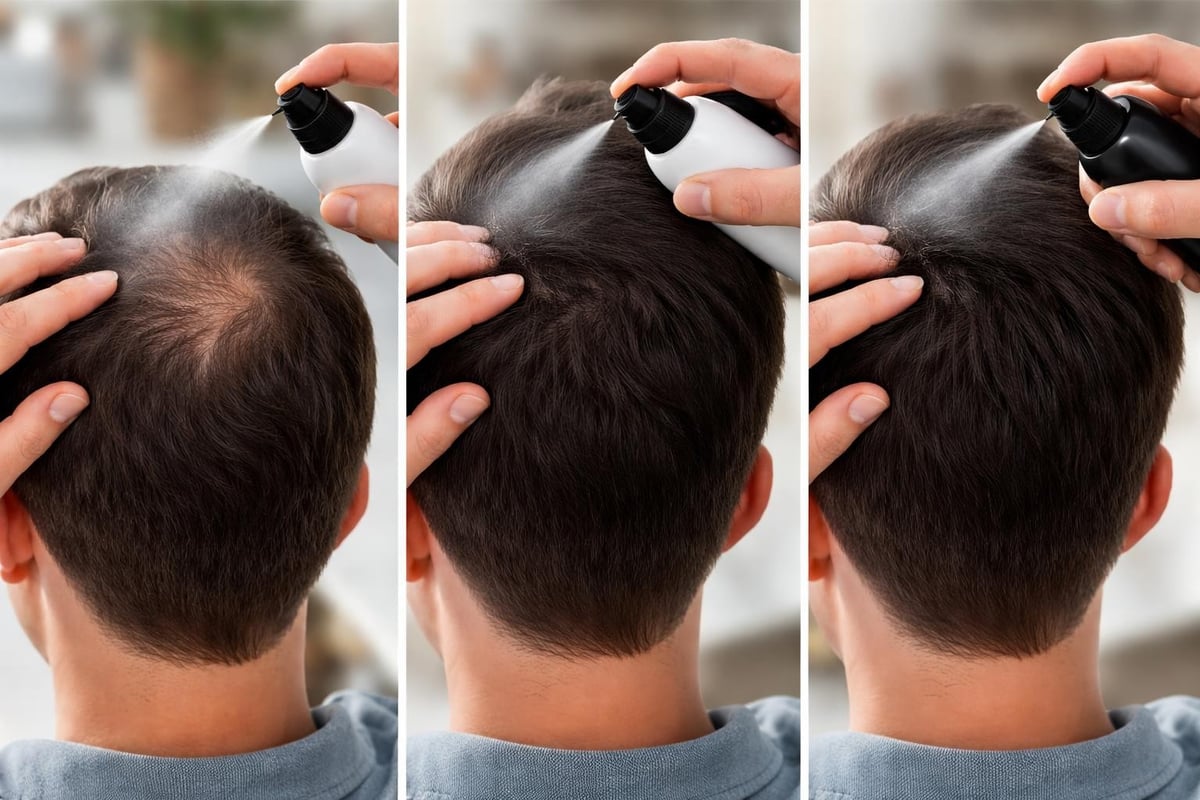
Hair thickening sprays represent one of the most effective methods for concealing bald patches on head. These products use keratin-based fibres that bond electrostatically to existing hair, creating the appearance of fuller, denser coverage.
Advantages of quality thickening sprays:
- Immediate results visible within seconds
- Natural appearance that blends with your hair colour
- Water-resistant formulations for all-day wear
- No commitment or permanent changes required
- Suitable for all types of patchy hair loss
- Easy application at home without professional help
The technology works by coating existing hairs with microscopic fibres that interlock and multiply the appearance of each strand. When applied properly over and around bald patches on head, the contrast between the patch and surrounding hair becomes virtually undetectable.
Application Techniques for Best Results
Achieving natural-looking coverage requires understanding proper application methods. The process is straightforward but benefits from attention to detail.
Step-by-step application process:
- Start with clean, dry hair styled as desired
- Shake the canister thoroughly for 15-20 seconds
- Hold 15-20cm away from the target area
- Apply in short bursts, building coverage gradually
- Focus on the perimeter of patches first, then fill centres
- Allow 30 seconds for fibres to bond before touching
- Use an activator spray to lock fibres in place
- Gently pat down with fingertips if needed for a natural finish
For those new to these products, exploring comprehensive guides on spray-on hair answers common questions about application, maintenance, and expected results.
Psychological Impact and Coping Strategies
The emotional toll of developing bald patches on head often equals or exceeds the physical concern. Hair significantly influences self-perception and how we believe others perceive us, making hair loss a deeply personal experience.
Understanding the Emotional Response
Reactions to discovering patches vary widely, from mild concern to significant distress affecting daily functioning. These feelings are valid and deserve acknowledgement rather than dismissal.
Common emotional responses include:
- Shock or disbelief, especially with sudden onset
- Anxiety about appearance in social or professional settings
- Depression or withdrawal from previously enjoyed activities
- Hypervigilance about further hair loss
- Frustration with the unpredictable nature of regrowth
Research from Healthdirect Australia indicates that addressing the psychological aspects of hair loss improves overall wellbeing and may even support better treatment outcomes through stress reduction.
Building Resilience and Confidence
Developing effective coping mechanisms helps maintain quality of life whilst managing bald patches on head. Many individuals find that taking action, whether through treatment or concealment, provides a sense of control that reduces anxiety.
Strategies that support emotional wellbeing:
- Connecting with support groups or online communities
- Educating yourself about your specific condition
- Experimenting with different styling options or accessories
- Using reliable concealment products for important occasions
- Focusing on aspects of appearance you can control
- Seeking professional counselling if distress becomes overwhelming
The journey with patchy hair loss differs for everyone, and there's no single "right" way to manage the emotional aspects. Finding what works for your unique situation takes time and self-compassion.
Prevention and Risk Reduction
Whilst some causes of bald patches on head cannot be prevented, particularly autoimmune conditions, many risk factors respond to proactive management. Understanding your personal risk profile helps you take appropriate protective measures.
Identifying Your Risk Factors
Certain characteristics increase the likelihood of developing patchy hair loss. Family history plays a significant role in conditions like alopecia areata, where having a close relative with the condition substantially raises your risk.
| Risk Factor | Associated Conditions | Mitigation Strategy |
|---|---|---|
| Family history | Alopecia areata, pattern baldness | Early monitoring, prompt treatment |
| Autoimmune diseases | Alopecia areata, lupus | Regular medical check-ups |
| Tight hairstyling | Traction alopecia | Loose styles, varied partings |
| Stress levels | Telogen effluvium, alopecia areata | Stress management techniques |
| Nutritional habits | Deficiency-related loss | Balanced diet, supplements if needed |
FamilyDoctor.org provides insights into recognising early warning signs that allow for prompt intervention before extensive hair loss occurs.
Protective Hair Care Practices
Implementing gentle hair care routines protects follicles from unnecessary damage and preserves hair you currently have. These practices benefit everyone, regardless of whether you're currently experiencing hair loss.
Essential protective practices include:
- Avoiding excessive heat styling or using heat protection products
- Choosing hairstyles that distribute tension evenly
- Using sulphate-free, gentle cleansing products
- Limiting chemical treatments like bleaching or perming
- Protecting hair from environmental stressors (sun, chlorine, pollution)
- Handling wet hair gently, as it's more vulnerable to breakage
For those already dealing with patches, these practices prevent additional hair loss in unaffected areas and support the health of regrowing hair.
Long-Term Management Approaches
Living with recurring or persistent bald patches on head requires developing sustainable management strategies. The unpredictable nature of conditions like alopecia areata means preparing for various scenarios whilst maintaining a positive outlook.
Creating Your Personal Action Plan
Having a clear plan reduces anxiety about potential flare-ups or new patches developing. This plan should address both practical and emotional needs.
Components of an effective action plan:
- Regular monitoring of existing patches and scalp condition
- Established relationship with a dermatologist for prompt treatment access
- Reliable concealment methods ready for use when needed
- Updated knowledge about emerging research and treatment options
- Support network of understanding friends, family, or community members
- Stress management techniques practiced regularly
Many people find that having immediate solutions like cosmetic concealers for emerging patches provides peace of mind even when not actively using them.
Balancing Treatment with Acceptance
The decision to pursue aggressive treatment versus focusing on acceptance and concealment is deeply personal. Many individuals find that a balanced approach serves them best, combining medical treatments with cosmetic solutions and psychological acceptance.
This balanced strategy might include:
- Trying evidence-based medical treatments for a defined period
- Using cosmetic concealers during the treatment phase for confidence
- Reassessing treatment effectiveness at regular intervals
- Accepting that complete regrowth may not occur
- Focusing energy on aspects of life beyond hair
- Celebrating small victories in regrowth or improved coping
Neither pursuing every possible treatment nor immediately accepting hair loss without exploring options represents the "correct" choice. Your path should align with your values, resources, and wellbeing priorities.
Choosing Quality Hair Loss Concealment Products
When medical treatments fall short or during the waiting period for regrowth, selecting high-quality concealment products makes a significant difference in results and satisfaction. Not all products deliver on their promises, making informed selection essential.
Evaluating Product Quality and Performance
Superior hair thickening products share certain characteristics that distinguish them from inferior alternatives. Understanding these qualities helps you make wise purchasing decisions.
Markers of quality products:
- Keratin-based fibres that match natural hair composition
- Multiple colour options for perfect matching
- Water-resistant formulations that withstand perspiration and light moisture
- Fine, natural-looking texture rather than obvious artificial coating
- Positive reviews from users with similar hair types and loss patterns
- Clear instructions and support resources
- Complementary products like setting sprays or applicators
Thickening sprays for thinning hair offer versatility in addressing various degrees of hair loss, from mild thinning to more pronounced bald patches on head.
Integration with Daily Routines
Successful long-term use of concealment products depends on seamless integration into your existing hair care and styling routine. Products that require excessive time or complicated application procedures rarely see consistent use.
The ideal concealment solution should:
- Apply in under five minutes once you're familiar with the technique
- Work with your preferred hairstyling products and methods
- Remain undetectable throughout normal daily activities
- Remove easily with regular shampooing
- Maintain appearance in various weather conditions
- Provide confidence without constant worry about visibility
Building these products into your morning routine becomes second nature within weeks, much like applying makeup or styling hair normally.
Managing bald patches on head involves understanding their causes, exploring appropriate treatments, and finding effective concealment methods that restore confidence. Whether you're dealing with autoimmune alopecia areata, traction-related hair loss, or other conditions causing patchy baldness, solutions exist to help you look and feel your best. For immediate, natural-looking coverage whilst pursuing long-term treatments, RESTRAND LTD offers professional-grade hair thickening sprays specifically designed to conceal bald patches and thinning areas, giving you the confidence to face each day with assurance.