Understanding the impact of alopecia on hair is essential for millions of people experiencing hair loss across the United Kingdom and worldwide. This medical condition affects individuals of all ages, genders, and backgrounds, causing not only physical changes but also significant emotional and psychological effects. Whether you're noticing thinning patches, receding hairlines, or more extensive hair loss, recognising the various forms of alopecia and their characteristics can help you make informed decisions about management and cosmetic solutions.
What Is Alopecia and How Does It Affect Hair
Alopecia is the medical term for hair loss, encompassing a wide range of conditions that affect the hair follicles' ability to produce and maintain healthy hair growth. The condition can manifest in various patterns, from small circular patches to complete scalp hair loss, depending on the specific type and underlying cause.
The effect of alopecia on hair follicles varies significantly based on the condition's nature. In some cases, follicles become dormant but remain intact, offering the possibility of regrowth. In other situations, permanent damage or scarring may occur, making regrowth unlikely without medical intervention.
The Hair Growth Cycle and Alopecia
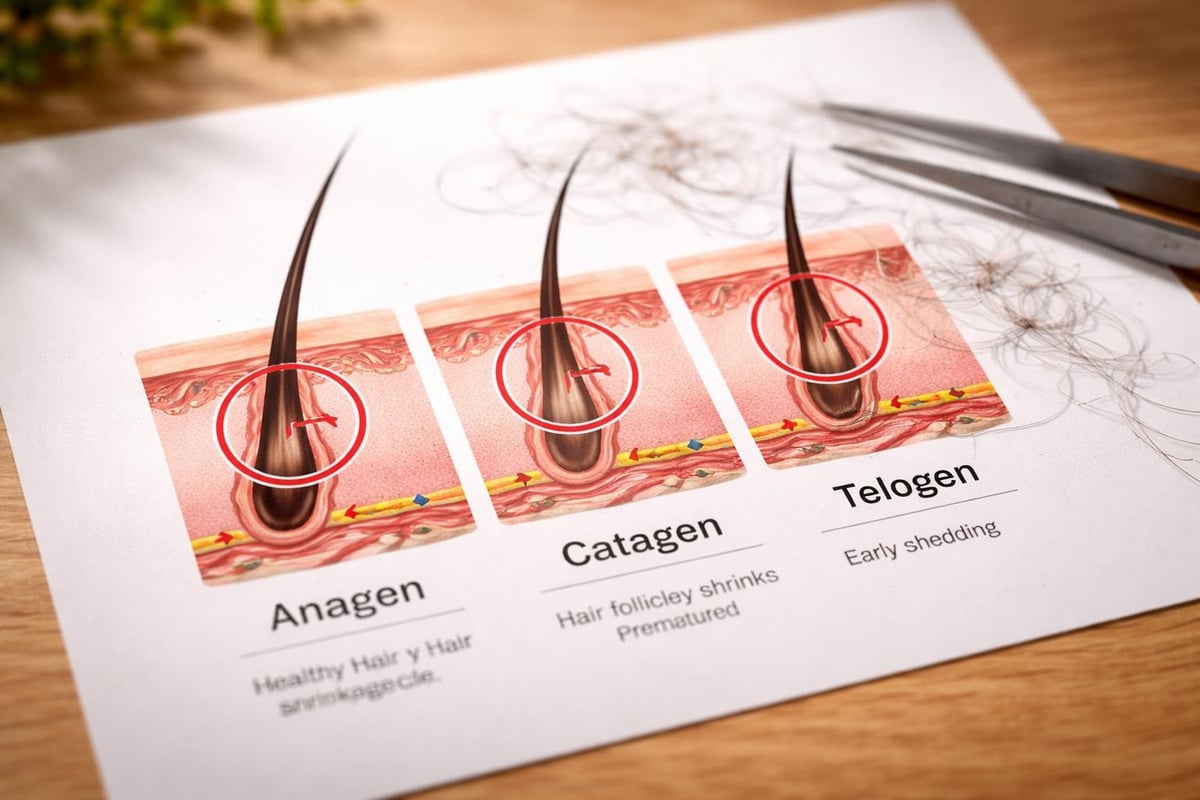
Understanding how alopecia on hair disrupts the normal growth cycle provides valuable insight into why hair loss occurs. Hair naturally progresses through three distinct phases:
- Anagen (Growth Phase): Lasting 2-7 years, during which hair actively grows
- Catagen (Transition Phase): A brief 2-3 week period where growth stops
- Telogen (Resting Phase): Lasting approximately 3 months before hair sheds
When alopecia develops, these phases become disrupted. Follicles may prematurely enter the telogen phase, remain dormant for extended periods, or cease functioning altogether. This disruption manifests as noticeable thinning or bald patches that many people seek to address through various means.
Major Types of Alopecia Affecting Hair
Different forms of alopecia present unique challenges and characteristics. Recognising which type you're experiencing is crucial for selecting appropriate management strategies and cosmetic solutions.
Alopecia Areata
Alopecia areata represents an autoimmune condition where the body's immune system mistakenly attacks hair follicles. This results in characteristic circular or oval bald patches that can appear anywhere on the scalp or body.
The unpredictable nature of alopecia areata makes it particularly challenging. Some individuals experience a single patch that regrows within months, whilst others develop multiple areas of loss that persist or spread. According to medical research on alopecia’s psychosocial impact, this unpredictability often causes significant emotional distress.
Androgenetic Alopecia
This hereditary condition affects both men and women, though presentation differs significantly between genders. Male pattern baldness typically begins with receding temples and crown thinning, whilst female pattern hair loss manifests as overall thinning across the top of the scalp.
Androgenetic alopecia progresses gradually, influenced by genetic predisposition and hormone sensitivity. Hair follicles become increasingly sensitive to dihydrotestosterone (DHT), causing them to miniaturise over time and produce progressively finer, shorter hairs.
Scarring and Non-Scarring Alopecia
| Type | Characteristics | Reversibility | Common Causes |
|---|---|---|---|
| Non-Scarring | Follicles remain intact | Potentially reversible | Alopecia areata, telogen effluvium, androgenetic alopecia |
| Scarring | Follicles permanently damaged | Generally irreversible | Lichen planopilaris, discoid lupus, folliculitis decalvans |
Understanding this distinction helps set realistic expectations for regrowth possibilities and guides decisions about cosmetic concealment strategies.
Identifying Alopecia on Hair: Symptoms and Patterns
Early recognition of alopecia on hair allows for timely intervention and management. Different types present distinct warning signs that become apparent through careful observation.
Sudden shedding of large amounts of hair in the shower or on your pillow may indicate telogen effluvium, whilst gradual thinning over months or years suggests androgenetic alopecia. Smooth, round patches appearing seemingly overnight characterise alopecia areata.
Diagnostic Approaches
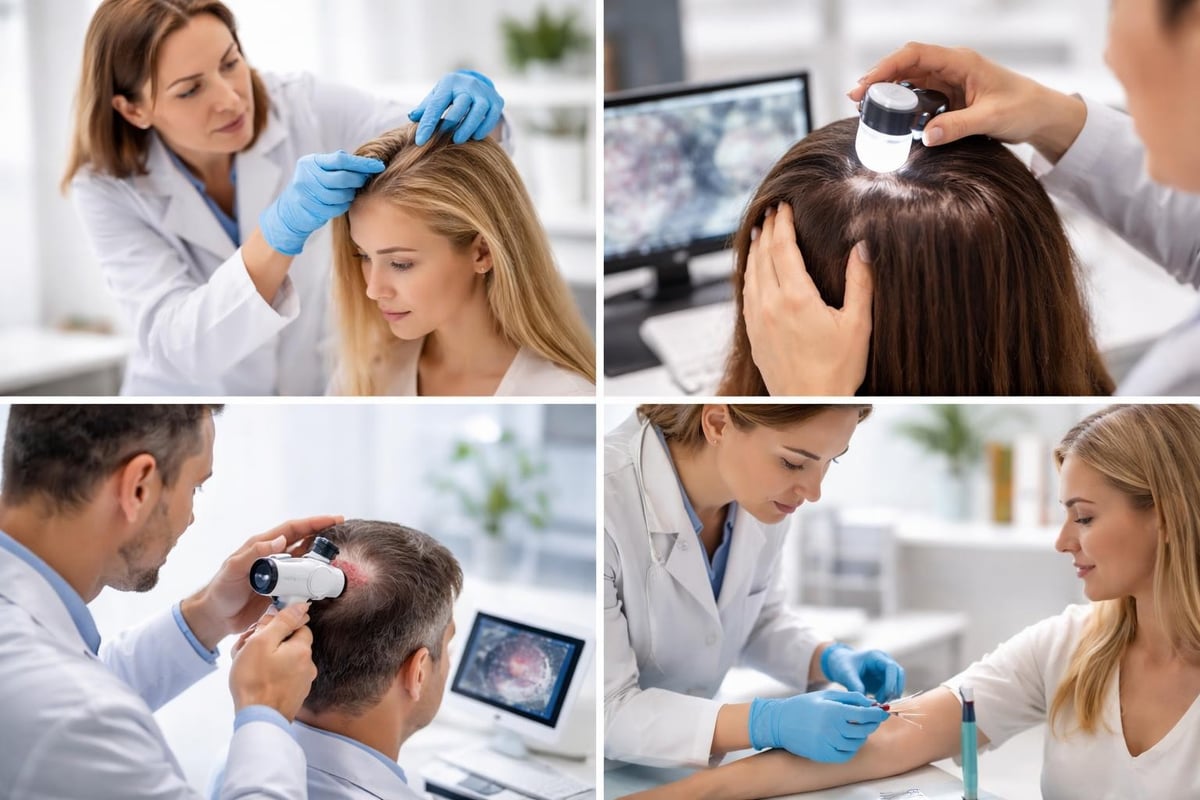
Medical professionals employ several techniques to accurately diagnose alopecia types:
- Clinical examination of the scalp and affected areas
- Pull test to assess hair shaft integrity and shedding patterns
- Trichoscopy for detailed follicle examination
- Scalp biopsy when scarring alopecia is suspected
- Blood tests to identify underlying medical conditions
Professional diagnosis ensures you understand the specific type affecting your hair, enabling targeted management approaches.
Causes and Risk Factors for Hair Alopecia
The development of alopecia on hair stems from numerous potential triggers. Identifying contributing factors in your situation may help prevent further progression or inform treatment decisions.
Genetic and Hereditary Influences
Family history plays a substantial role in androgenetic alopecia and certain forms of alopecia areata. If close relatives experienced hair loss, your risk increases significantly. Genetic testing can sometimes identify specific markers associated with particular alopecia types.
Autoimmune Conditions and Systemic Disease
Autoimmune disorders represent major contributors to various alopecia forms. When the immune system malfunctions, it may target hair follicles alongside other body tissues. Conditions like thyroid disease, lupus, and diabetes frequently coincide with hair loss.
The American Hair Loss Council provides detailed information about how these systemic conditions interconnect with hair health, emphasising the importance of comprehensive medical evaluation.
Environmental and Lifestyle Factors
Modern life presents numerous stressors that can trigger or exacerbate alopecia on hair:
- Nutritional deficiencies: Iron, protein, biotin, and vitamin D shortages
- Chronic stress: Prolonged psychological pressure affecting hormone balance
- Medication side effects: Chemotherapy, blood thinners, antidepressants
- Hairstyling practices: Tight ponytails, chemical treatments, excessive heat
- Hormonal changes: Pregnancy, menopause, thyroid dysfunction
Addressing modifiable risk factors may slow progression or improve overall hair health, even if complete reversal isn't possible.
Medical Treatments and Management Options
Whilst this article focuses primarily on understanding and managing the cosmetic impact of alopecia on hair, awareness of medical treatments helps inform your overall approach.
Pharmaceutical Interventions
Several medications have demonstrated effectiveness for specific alopecia types. Minoxidil stimulates follicles in androgenetic alopecia, whilst finasteride blocks DHT conversion in men. For alopecia areata, corticosteroid injections may promote regrowth in affected patches.
Recent research into androgenetic alopecia treatments continues to evolve, with new therapies emerging regularly. However, these treatments often require months of consistent use before visible improvements appear, and results vary considerably between individuals.
Emerging Therapies
Innovative approaches continue to develop, including JAK inhibitors for alopecia areata, platelet-rich plasma (PRP) injections, and low-level laser therapy. Whilst promising, many remain under investigation or provide modest results for specific patient populations.
Understanding these options helps you make informed decisions about whether to pursue medical treatment whilst managing the cosmetic aspects of hair loss.
Psychological Impact of Alopecia on Hair
The emotional toll of alopecia extends far beyond physical appearance. Hair loss often profoundly affects self-esteem, social interactions, and overall quality of life.
Emotional and Social Consequences
Research consistently demonstrates that individuals experiencing alopecia on hair face significant psychological challenges. Anxiety, depression, and social withdrawal commonly accompany visible hair loss, particularly when it develops suddenly or affects large areas.
The American Hair Loss Association emphasises recognising alopecia as more than a cosmetic concern, advocating for greater awareness of its psychological dimensions. Many people report feeling less confident in professional settings, avoiding social gatherings, or experiencing relationship difficulties due to their changed appearance.
Building Confidence and Resilience
Developing coping strategies proves essential for maintaining psychological wellbeing whilst managing alopecia:
- Connecting with support groups and others experiencing similar challenges
- Exploring cosmetic solutions that restore confidence
- Focusing on aspects of identity beyond physical appearance
- Seeking professional counselling when emotional distress becomes overwhelming
- Educating friends and family about your condition
Many individuals find that addressing the visible aspects of hair loss through cosmetic solutions significantly improves their emotional wellbeing and daily functioning.

Cosmetic Solutions for Managing Alopecia on Hair
Whilst medical treatments focus on promoting regrowth, cosmetic solutions provide immediate visual improvement that can dramatically enhance confidence and quality of life. These approaches work regardless of the underlying alopecia type or whether regrowth is possible.
Hair Thickening Sprays and Fibres
Modern hair thickening sprays represent one of the most effective cosmetic solutions for disguising the appearance of alopecia on hair. These products work by depositing microscopic fibres that bond electrostatically to existing hair, creating the appearance of significantly greater density.
The technology has advanced considerably in recent years, with formulations now offering:
- Natural-looking coverage that blends seamlessly with existing hair
- Water resistance for daily activities and light exercise
- Quick application suitable for busy morning routines
- Multiple colour options to match various hair shades
- Easy removal with regular shampooing
For individuals with patchy alopecia areata or thinning from androgenetic alopecia, these products can effectively conceal affected areas within minutes. Understanding how to hide a bald spot on crown areas demonstrates practical application techniques.
Spray-On Hair Technology
Spray-on hair solutions have revolutionised cosmetic hair loss management. Unlike older methods that looked artificial or required complex application procedures, contemporary formulations provide virtually undetectable coverage.
These products particularly suit individuals experiencing:
- Diffuse thinning across the scalp
- Visible scalp showing through remaining hair
- Patchy areas from alopecia areata
- Receding hairlines or temple recession
- Crown thinning or bald spots
Application involves spraying the product onto affected areas from a short distance, allowing fibres to settle and bond with existing hair. The result creates immediate visual density that withstands normal daily activities.
Comparing Cosmetic Solutions
| Solution Type | Application Time | Durability | Best For | Visibility |
|---|---|---|---|---|
| Thickening Sprays | 2-5 minutes | Until next wash | Moderate to severe thinning | Completely undetectable |
| Hair Fibres | 1-3 minutes | Until next wash | Mild to moderate thinning | Natural when properly applied |
| Scalp Micropigmentation | Single session | Semi-permanent | Completely bald areas | Creates stubble appearance |
| Hair Systems | 30+ minutes | Several weeks | Extensive loss | Variable depending on quality |
Selecting the right approach depends on your specific pattern of alopecia on hair, lifestyle requirements, and personal preferences.
Lifestyle Adjustments for Hair Health
Beyond medical treatments and cosmetic solutions, certain lifestyle modifications may support overall hair health and potentially slow progression of some alopecia types.
Nutritional Considerations
Adequate nutrition provides essential building blocks for hair growth. Key nutrients include protein for keratin production, iron for oxygen transport to follicles, biotin for hair structure, and vitamins A, C, D, and E for various follicle functions.
Whilst nutritional deficiencies can contribute to hair loss, supplementation doesn't reverse genetic alopecia. However, ensuring optimal nutrition supports whatever hair growth capacity remains and may improve hair quality.
Stress Management Techniques
Chronic stress contributes to telogen effluvium and may exacerbate other alopecia types. Implementing stress reduction strategies benefits both overall health and hair retention:
- Regular physical exercise to regulate stress hormones
- Meditation or mindfulness practices
- Adequate sleep duration and quality
- Social connection and support networks
- Professional counselling when needed
These approaches won't reverse genetic or autoimmune alopecia but may prevent stress-related shedding from compounding existing conditions.
Gentle Hair Care Practices
Minimising mechanical damage protects remaining hair and prevents traction alopecia:
- Use wide-toothed combs rather than brushes on wet hair
- Avoid tight hairstyles that pull on the scalp
- Limit heat styling and chemical treatments
- Pat hair dry gently instead of vigorous rubbing
- Choose mild, sulphate-free shampoos
These practices prove particularly important when alopecia on hair has already reduced hair density, as remaining strands become more precious.
Social Perceptions and Raising Awareness
Societal attitudes towards alopecia on hair continue to evolve, though misconceptions and stigma persist. Understanding these social dimensions helps navigate personal experiences whilst contributing to broader awareness.
Changing Cultural Attitudes
Historical and cultural perspectives on hair reveal varying attitudes across time and societies. Whilst some cultures embrace baldness, Western societies have traditionally associated full hair with youth, health, and attractiveness.
Recent years have seen gradual shifts, with increasing visibility of public figures openly discussing their alopecia experiences. Social media platforms now host thriving communities where individuals share experiences, advice, and support. Analysis of alopecia portrayal on social media demonstrates growing public interest and information exchange.
Celebrity Influence and Visibility
High-profile individuals sharing their alopecia journeys help normalise the condition and reduce associated stigma. Several male celebrities who use spray-on hair thickeners demonstrate that cosmetic solutions need not be hidden or considered shameful.
This increased visibility encourages open conversations about hair loss and cosmetic management options, helping others feel less isolated in their experiences.
Future Directions in Alopecia Research
Scientific understanding of alopecia on hair continues advancing, with promising research potentially leading to improved treatments and management options.
Innovative Treatment Approaches
Researchers investigate numerous novel therapies, including stem cell treatments, gene therapy targeting hereditary factors, and refined immunomodulatory drugs for autoimmune forms. Recent studies point to new protein modifications that may eventually provide additional treatment options.
Whilst these developments offer hope, translation from laboratory research to widely available treatments typically requires years of clinical trials and regulatory approval.
Improved Diagnostic Tools
Advanced diagnostic technologies enable earlier detection and more precise classification of alopecia types. Enhanced trichoscopy equipment, artificial intelligence analysis of hair patterns, and genetic testing increasingly support accurate diagnosis.
Earlier identification allows for timelier intervention, potentially preserving more hair before significant loss occurs.
Practical Guidance for Managing Alopecia on Hair
Living successfully with alopecia requires combining medical understanding, cosmetic solutions, and psychological resilience. Practical strategies help maintain quality of life regardless of regrowth prospects.
Building Your Management Plan
Effective management typically involves multiple complementary approaches:
- Medical evaluation: Obtain proper diagnosis and discuss treatment options
- Cosmetic solutions: Implement immediate visual improvement through products like thickening sprays for thinning hair
- Emotional support: Connect with others and seek counselling if needed
- Lifestyle optimisation: Address modifiable risk factors
- Regular monitoring: Track progression and adjust strategies accordingly
This comprehensive approach addresses both the physical manifestations and emotional impact of alopecia on hair.
When to Seek Professional Help
Certain situations warrant prompt medical consultation:
- Sudden, rapid hair loss over days or weeks
- Patchy loss accompanied by scalp inflammation or pain
- Hair loss following new medication or medical treatment
- Associated symptoms like fatigue, weight changes, or skin issues
- Significant emotional distress affecting daily functioning
Professional evaluation ensures serious underlying conditions receive appropriate attention whilst guiding treatment decisions.
Maximising Cosmetic Solution Effectiveness
Achieving optimal results with products like the best hair thickening spray requires understanding proper application techniques:
- Clean, dry hair accepts fibres better than oily or damp hair
- Apply from 10-15 centimetres distance for even distribution
- Work in thin layers, building coverage gradually
- Set with light hairspray for extended wear
- Match product colour precisely to your natural hair shade
These techniques ensure natural-looking results that boost confidence throughout the day.
Daily Living with Alopecia on Hair
Integrating alopecia management into daily routines becomes easier with established systems and realistic expectations. Most individuals develop personalised approaches that balance effectiveness with practicality.
Morning Routine Integration
Incorporating cosmetic solutions into existing grooming habits ensures consistent use without adding significant time. Most people find that hair thickening sprays add only 2-3 minutes to their morning preparation once they master application techniques.
Keeping products organised and accessible encourages regular use, whilst maintaining backup supplies prevents the stress of running out unexpectedly.
Special Occasions and Events
Important events may warrant enhanced coverage techniques. Layering products, using setting sprays, and allowing extra application time ensures optimal appearance for weddings, presentations, or photographs.
Planning ahead reduces stress and allows experimentation with techniques before the actual event.
Travel and Maintenance
Modern cosmetic solutions travel easily, fitting within standard toiletry bags and complying with airline liquid restrictions. Water-resistant formulations withstand swimming and exercise, whilst quick removal with regular shampooing simplifies the routine.
Understanding options for emerging bald patches helps address new areas of concern as patterns potentially evolve over time.
Understanding alopecia on hair empowers you to make informed decisions about management approaches that suit your individual circumstances and preferences. Whether you're exploring medical treatments, cosmetic solutions, or combination strategies, recognising that effective options exist helps maintain confidence and quality of life despite hair loss challenges. RESTRAND LTD offers premium hair thickening sprays specifically designed to provide immediate, natural-looking coverage for all types of alopecia, helping you face each day with renewed confidence and the fuller-looking hair you deserve.