Achieving and maintaining a full head of hair remains one of the most sought-after aspects of personal appearance in 2026. Whether you're experiencing the first signs of thinning or have been managing hair loss for years, understanding the biological mechanisms behind hair growth and the solutions available can empower you to make informed decisions. This comprehensive guide explores the science of hair density, the factors that influence it, and the practical approaches that can help you regain the appearance of thickness and volume.
Understanding Hair Biology and Density
The human scalp typically contains between 80,000 and 120,000 hair follicles, each following an independent growth cycle. Hair density varies significantly based on genetics, age, and ethnicity, but what we perceive as a full head of hair depends on several interconnected factors.
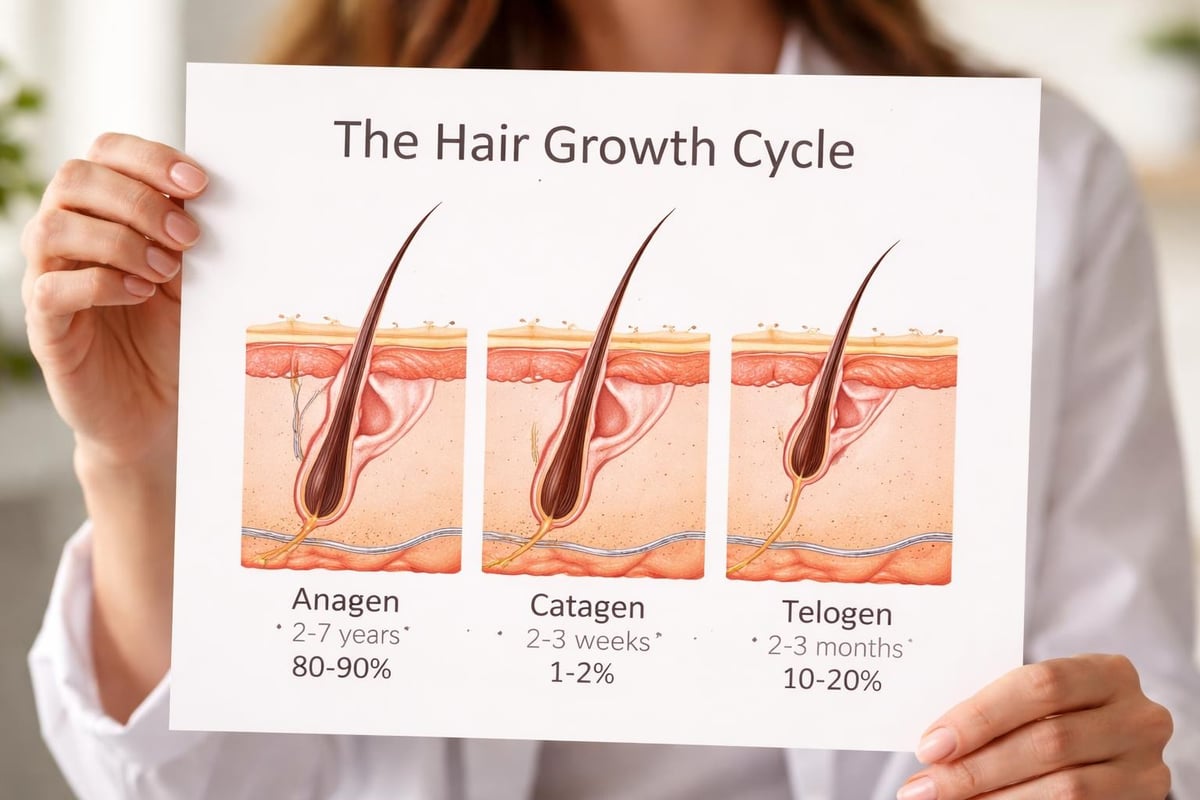
The anatomy of hair reveals a complex structure involving the follicle, shaft, and root. Each follicle operates on a three-phase cycle: anagen (growth phase lasting 2-7 years), catagen (transitional phase of 2-3 weeks), and telogen (resting phase of approximately 3 months). At any given time, roughly 85-90% of your hair should be in the active growth phase.
The Hair Growth Cycle Explained
| Phase | Duration | Percentage of Hair | Activity |
|---|---|---|---|
| Anagen | 2-7 years | 85-90% | Active growth |
| Catagen | 2-3 weeks | 1-2% | Transitional |
| Telogen | 3 months | 8-14% | Resting/shedding |
Understanding these phases is crucial because disruptions to this cycle can significantly impact overall hair density. When more follicles enter the telogen phase prematurely, or when the anagen phase shortens, the result is noticeable thinning.
Genetic and Hormonal Influences
Androgenetic alopecia affects approximately 50% of men and 25% of women by age 50. This hereditary condition, triggered by dihydrotestosterone (DHT), progressively miniaturizes hair follicles. Gene expression in hair follicles plays a vital role in determining both the timing and pattern of hair loss.
The genes responsible for hair loss can be inherited from either parent, contrary to the myth that pattern baldness only comes from the maternal side. Multiple genetic markers contribute to follicle sensitivity to hormones, making the condition complex and variable in its presentation.
Factors That Compromise Hair Thickness
Maintaining a full head of hair requires attention to numerous lifestyle and environmental factors that can accelerate thinning or promote healthy growth.
Nutritional Deficiencies
Your diet directly impacts hair health. Essential nutrients for optimal hair growth include:
- Protein: Hair is primarily composed of keratin, a structural protein
- Iron: Deficiency causes telogen effluvium and diffuse thinning
- Biotin: B-vitamin crucial for keratin production
- Vitamin D: Plays a role in follicle cycling
- Zinc: Essential for tissue growth and repair
- Omega-3 fatty acids: Support scalp health and reduce inflammation
A balanced diet rich in these nutrients supports the biological processes necessary for maintaining density. However, excessive supplementation without deficiency can sometimes cause adverse effects, so consultation with healthcare professionals is advisable.
Stress and Its Physical Manifestations
Chronic stress triggers a condition called telogen effluvium, where significant numbers of follicles shift prematurely into the resting phase. This typically manifests 2-3 months after a stressful event, causing diffuse shedding across the scalp.
The stress hormone cortisol can disrupt the normal hair cycle, and managing stress through exercise, meditation, or therapy can help preserve a full head of hair. The relationship between psychological wellbeing and hair health is increasingly documented in medical literature, providing evidence-based approaches to holistic hair care.
Medical Interventions and Treatments
For those experiencing significant thinning, several evidence-based medical treatments have demonstrated efficacy in restoring hair density.
FDA-Approved Pharmaceutical Options
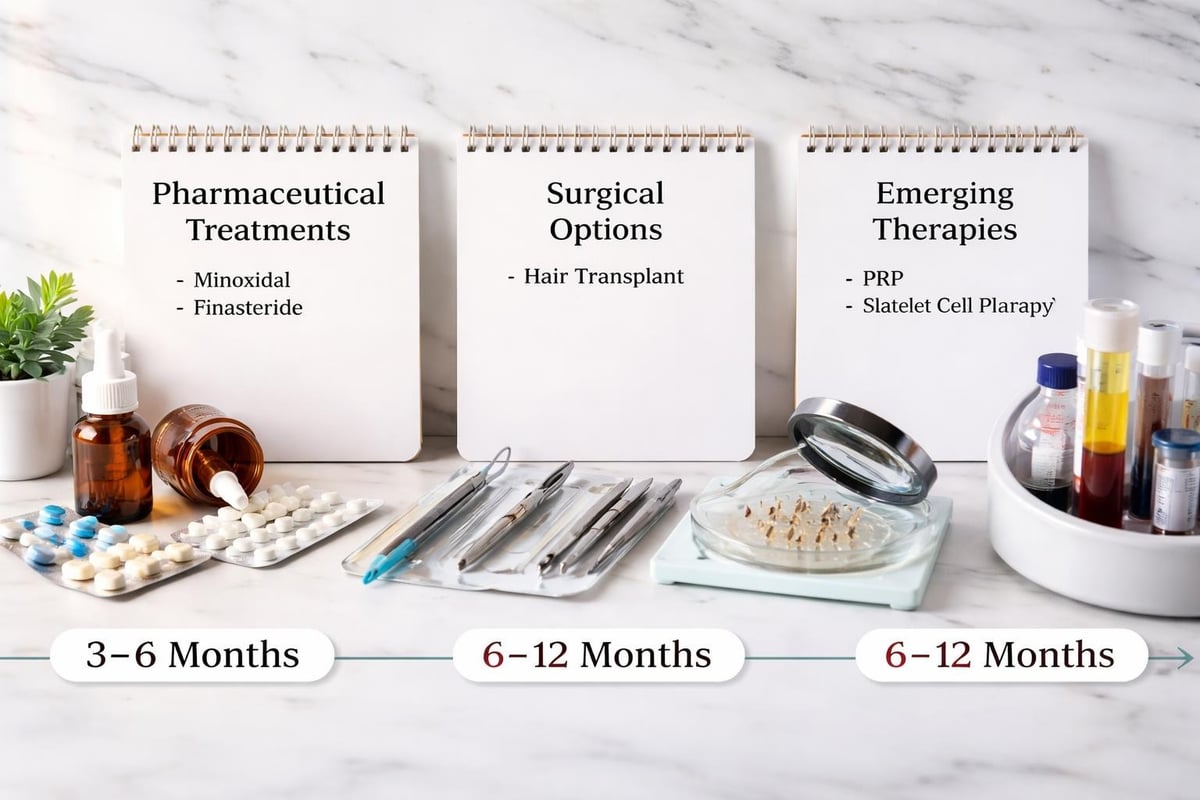
Minoxidil (available in 2% and 5% formulations) promotes hair growth by extending the anagen phase and increasing follicle size. Applied topically twice daily, it can slow progression and stimulate regrowth in approximately 60% of users within 3-6 months.
Finasteride is an oral medication that inhibits the enzyme converting testosterone to DHT. While effective, concerns about side effects have prompted many to explore alternative approaches.
| Treatment | Application | Success Rate | Time to Results |
|---|---|---|---|
| Minoxidil 5% | Topical, twice daily | 60-70% | 3-6 months |
| Finasteride | Oral, daily | 65-80% | 6-12 months |
| Low-level laser | Device, 3x weekly | 40-50% | 6-9 months |
Emerging Therapies
Recent research into modified proteins and growth factors shows promise for future treatments. Platelet-rich plasma (PRP) therapy, which involves injecting concentrated growth factors from your own blood into the scalp, has gained popularity despite mixed evidence regarding long-term efficacy.
Cosmetic Solutions for Immediate Results
While medical treatments require months to show results, cosmetic approaches provide instant visual improvement for those seeking the appearance of a full head of hair without waiting.
Hair Thickening Sprays and Fibres
Modern hair thickening sprays use electrostatically charged keratin fibres that bond to existing hair shafts, creating the appearance of significantly greater density. These products offer several advantages:
- Immediate visual transformation within seconds
- Natural appearance when properly applied
- Water-resistant formulations for durability
- Variety of shades to match natural hair colour
- Non-invasive with no side effects
The technology behind effective hair loss concealers has advanced considerably, with products now offering rain resistance and natural movement that was impossible a decade ago.
Application Techniques for Optimal Coverage
Achieving natural-looking results requires proper application methodology:
- Start with clean, dry hair styled as desired
- Apply product 15-20cm from the scalp in short bursts
- Build coverage gradually rather than over-applying initially
- Pat gently with fingertips to integrate fibres
- Finish with setting spray for enhanced durability
For those new to concealing thinning areas, practicing application techniques in good lighting helps develop the skill necessary for seamless results.
Lifestyle Modifications for Hair Health
Beyond treatments and cosmetic solutions, understanding how lifestyle factors affect hair health empowers you to take preventative action.
Hair Care Practices That Preserve Density
Gentle handling of hair minimizes mechanical damage that contributes to breakage and thinning appearance:
- Avoid tight hairstyles that create traction on follicles
- Use wide-toothed combs on wet hair
- Limit heat styling to necessary occasions
- Choose sulphate-free shampoos formulated for thinning hair
- Pat hair dry rather than rubbing vigorously
Chemical treatments including bleaching, perming, and frequent colouring can weaken hair structure. Spacing these treatments and using bond-building products helps maintain integrity.
Scalp Health as Foundation
A healthy scalp environment is fundamental to supporting a full head of hair. Regular cleansing removes sebum buildup and dead skin cells that can clog follicles, whilst gentle massage increases blood circulation to deliver nutrients.
Conditions like seborrheic dermatitis and psoriasis create inflammation that disrupts the growth cycle. Managing these conditions through appropriate medicated shampoos or dermatological treatment protects existing density.
Psychological Aspects and Social Perceptions
The emotional impact of hair loss extends beyond physical appearance. Research demonstrates that hair density significantly affects self-perception and how others perceive us.
Confidence and Self-Image
Studies consistently show that individuals with visible hair loss report lower self-esteem and increased social anxiety. The visibility of hair loss can affect professional opportunities, with research suggesting that hair density influences perceptions of age and vitality.
Addressing thinning hair, whether through medical intervention or cosmetic solutions, often produces psychological benefits that extend into multiple life areas. The restoration of a full head of hair correlates with improved confidence in social and professional settings.

Navigating Information and Misinformation
The proliferation of hair loss information on social media creates challenges in distinguishing evidence-based advice from marketing claims. Healthcare professionals increasingly emphasize the importance of consulting qualified specialists rather than relying on unverified online sources.
Common myths about hair loss persist despite scientific evidence to the contrary. These include beliefs that wearing hats causes baldness, that frequent shampooing accelerates loss, or that standing on your head promotes growth. Basing decisions on credible research protects both your financial investment and realistic expectations.
Combining Approaches for Comprehensive Management
The most effective strategy for maintaining or restoring the appearance of a full head of hair often involves multiple complementary approaches rather than relying on a single solution.
Integrated Treatment Protocols
Consider this phased approach:
Immediate term (0-3 months):
- Begin cosmetic concealment for instant confidence boost
- Initiate lifestyle modifications including stress management
- Optimize nutrition and address deficiencies
- Schedule consultation with hair loss specialist
Medium term (3-12 months):
- Continue cosmetic solutions whilst medical treatments take effect
- Implement pharmaceutical interventions if appropriate
- Monitor progress through photographs and documentation
- Adjust approaches based on results
Long term (12+ months):
- Maintain successful treatments consistently
- Adapt cosmetic usage as density improves
- Continue protective hair care practices
- Regular reassessment of treatment efficacy
This integrated approach acknowledges that achieving a full head of hair is rarely accomplished through a single product or method, but rather through sustained attention to multiple factors.
Realistic Expectations and Patience
Timeline management is crucial for maintaining motivation throughout treatment. Medical interventions typically require 6-12 months before significant improvement becomes visible, whilst cosmetic solutions provide immediate psychological relief during this waiting period.
Setting measurable goals and documenting progress through monthly photographs helps track subtle improvements that might otherwise go unnoticed. This evidence-based approach to monitoring prevents premature abandonment of treatments that require patience to demonstrate efficacy.
Professional Guidance and Personalized Solutions
Individual variation in hair loss patterns, underlying causes, and treatment response makes personalized professional guidance invaluable.
When to Consult Specialists
Seeking professional evaluation is advisable when you notice:
- Sudden or rapid hair loss
- Patchy or irregular thinning patterns
- Scalp inflammation or discomfort
- Hair loss accompanied by other symptoms
- Minimal response to initial treatments
Dermatologists and trichologists can perform scalp examinations, blood tests to identify deficiencies or hormonal imbalances, and microscopic hair analysis to determine the specific type of hair loss affecting you.
Early intervention often produces superior outcomes, as treatments are most effective when follicles remain viable. Once follicles have been dormant for extended periods, restoration becomes increasingly difficult.
Maintaining a full head of hair involves understanding the complex interplay between genetics, lifestyle, and available solutions. Whether you choose medical interventions, lifestyle modifications, or cosmetic enhancement, the key lies in consistent application and realistic expectations. For immediate confidence whilst pursuing long-term solutions, RESTRAND LTD offers professionally formulated hair thickening products that deliver natural-looking density in seconds, helping you look and feel your best every day.