Are you noticing more hair on your pillow or in your brush than ever before? You are not alone. Hair loss and hair thinning are affecting more people of all ages, leading to real concerns about appearance and self-confidence.
In 2026, breakthroughs in science and new approaches offer hope. This comprehensive guide delivers evidence-based advice to help you understand and manage hair loss and hair thinning with confidence.
Discover expert insights, practical solutions, and the latest treatments for both men and women. Explore causes, debunk myths, and find actionable steps to address your hair concerns—starting right here.
Understanding Hair Loss and Hair Thinning
If you have recently noticed your hair looking thinner or falling out more than usual, you are not alone. Hair loss and hair thinning are common concerns affecting people of all ages and backgrounds. Understanding the underlying causes is the first step towards finding effective solutions and regaining confidence. This section breaks down the basics, risk factors, symptoms, and the emotional impact of hair loss and hair thinning, setting the stage for expert guidance throughout this guide.
What Is Hair Loss and Hair Thinning?
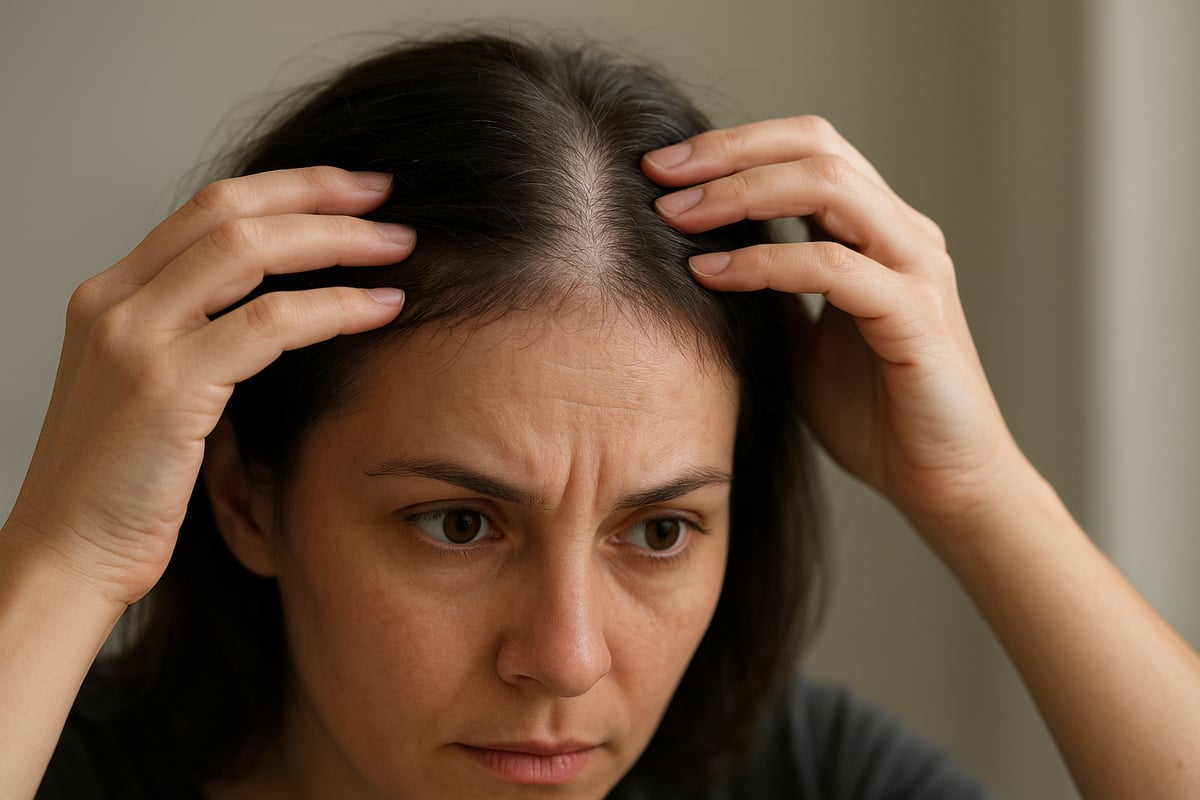
Hair loss and hair thinning are related but distinct conditions. Hair loss, or alopecia, refers to a noticeable reduction in hair density or bald patches where hair was once present. Hair thinning, on the other hand, describes a gradual decrease in the thickness and volume of hair, often making the scalp more visible without complete baldness.
There are several types, including androgenetic alopecia (pattern hair loss), alopecia areata (patchy loss), telogen effluvium (shedding after stress or illness), and diffuse thinning. These issues affect both men and women, with cases rising among younger adults. Common signs include a widening part, receding hairline, or reduced overall density. For example, noticing a wider parting when styling your hair may be an early warning sign of hair loss and hair thinning.
The Hair Growth Cycle Explained
Hair growth follows a natural cycle with four key phases: anagen (growth), catagen (transition), telogen (resting), and exogen (shedding). Each strand of hair is at a different stage, ensuring continuous renewal. Disruption in this cycle can result in hair loss and hair thinning, as more follicles shift prematurely to the resting or shedding phases.
A shortened anagen (growth) phase means new hairs are finer and less visible. Over time, repeated disruptions can lead to follicle miniaturisation, where hair becomes increasingly thin before stopping growth altogether. Understanding this cycle is crucial for addressing hair loss and hair thinning effectively.
Who Is Most at Risk?
The likelihood of experiencing hair loss and hair thinning depends on several factors. Genetics play a significant role, as a family history of baldness increases your risk. Men often notice a receding hairline or bald patches, while women tend to experience diffuse thinning across the scalp.
Age is another factor, with many people seeing changes as early as their teens or twenties, though the risk increases over time. Hormonal changes, such as those during pregnancy, menopause, or due to increased androgens, can also trigger hair loss and hair thinning. Recent AI-driven hair loss trends analysis highlights a rise in cases among younger adults and shifting patterns across genders.
Symptoms and Early Warning Signs
Recognising the early signs of hair loss and hair thinning can help you act before the issue progresses. Common symptoms include increased daily shedding (over 100 hairs), a more visible scalp, or slower regrowth after haircuts. Changes in hair texture or volume may also become apparent.
You might notice clumps of hair in your brush or on your pillow, or that your ponytail feels thinner than before. Identifying these changes early allows for timely intervention, which can make a significant difference in managing hair loss and hair thinning.
Psychological and Social Impact
The effects of hair loss and hair thinning extend beyond physical appearance. Many people experience a decline in self-esteem and confidence, which can affect social interactions and professional life. Feelings of embarrassment or anxiety are common, sometimes leading to withdrawal from daily activities.
The demand for support and solutions continues to grow, reflecting the emotional weight of hair concerns. Studies show that up to 40 percent of women and 70 percent of men experience visible hair loss by age 50, highlighting the widespread impact of hair loss and hair thinning on mental health and wellbeing.
Main Causes of Hair Loss and Thinning in 2026
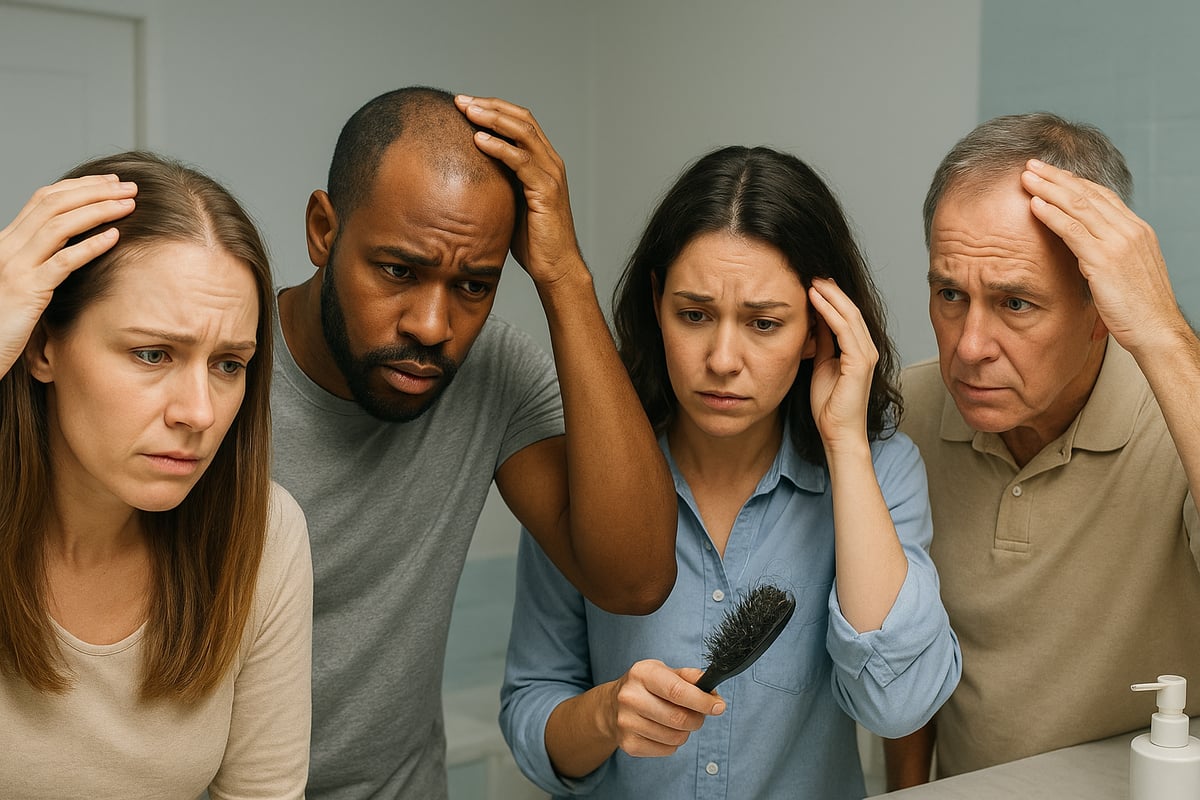
Understanding the main causes of hair loss and hair thinning is crucial for effective prevention and treatment. In 2026, research has highlighted several key factors that can trigger or exacerbate these conditions. From genetics to lifestyle choices, knowing what drives hair changes helps you take informed action.
Genetic and Hormonal Factors
Genetics play a leading role in hair loss and hair thinning. Androgenetic alopecia, also known as male or female pattern baldness, is the most common genetic cause. This condition occurs when hair follicles become sensitive to dihydrotestosterone (DHT), a hormone that can shrink follicles and shorten the hair growth cycle.
Both men and women can inherit this sensitivity from either parent. Men typically experience receding hairlines and bald patches, while women notice diffuse thinning across the scalp. Hormonal changes, such as those during pregnancy or menopause, can further influence hair loss and hair thinning in genetically predisposed individuals.
Early identification of genetic risk can help guide targeted prevention and treatment strategies.
Autoimmune and Medical Conditions
Certain autoimmune and medical conditions are significant contributors to hair loss and hair thinning. In alopecia areata, the immune system mistakenly attacks healthy hair follicles, leading to sudden, patchy loss. Other conditions, such as thyroid disorders, lupus, and polycystic ovary syndrome (PCOS), disrupt normal hair growth by altering hormone or immune function.
These medical causes often present with additional symptoms, like fatigue or skin changes, making professional diagnosis essential. For more detailed insights into the range of medical causes and their management, visit Medical causes of hair thinning.
A sudden increase in shedding or the appearance of bald spots should prompt a medical evaluation to identify underlying conditions.
Lifestyle and Environmental Triggers
Modern lifestyles have introduced new triggers for hair loss and hair thinning. Chronic stress can lead to telogen effluvium, a temporary condition where large numbers of follicles enter the resting phase. Poor nutrition, restrictive diets, and eating disorders deprive the scalp of vital nutrients.
Environmental factors, such as pollution and UV exposure, can weaken hair and damage follicles over time. Smoking and excessive alcohol consumption are also linked to reduced hair density. Adopting healthier habits and reducing exposure to toxins are key steps in protecting your hair.
Medications and Treatments
Many common medications can cause hair loss and hair thinning as a side effect. Chemotherapy and radiotherapy are well-known for triggering rapid hair shedding, but other drugs such as blood thinners, antidepressants, and beta-blockers can also impact the hair cycle.
Hormonal contraceptives and hormone replacement therapy (HRT) may alter hormone levels, leading to changes in hair density. If you notice increased shedding after starting a new medication, consult your healthcare provider to discuss potential alternatives or supportive treatments.
Hair Care Practices and Styling Damage
Daily hair care routines can significantly contribute to hair loss and hair thinning. Excessive heat styling, frequent chemical treatments like bleaching or perming, and harsh shampoos can weaken hair shafts, leading to breakage and thinning.
Tight hairstyles, such as ponytails or braids, may cause traction alopecia by pulling on the roots over time. To minimise risk, opt for gentle products and loose styles, and limit exposure to heat and chemicals. Paying attention to your hair's response can prevent long-term damage.
Ageing and Natural Changes
Age is a natural factor behind hair loss and hair thinning. As we age, the activity of hair follicles slows, resulting in shorter, finer strands and decreased density. Scalp circulation may decrease, and the delivery of nutrients to follicles becomes less efficient.
Gradual thinning is common, with up to 80 percent of men and over 50 percent of women showing visible signs by age 70. While ageing cannot be stopped, maintaining a healthy lifestyle and early intervention can help preserve hair strength and thickness for longer.
Debunking Common Myths About Hair Loss
Misconceptions about hair loss and hair thinning are widespread, often causing unnecessary worry or leading people to ineffective remedies. Understanding the facts is the first step towards effective management. For a deeper dive into popular misconceptions, see Common hair loss myths debunked.

Myth 1: Only Men Suffer Significant Hair Loss
Many assume hair loss and hair thinning only affect men, but this is far from the truth. Women frequently experience diffuse thinning and even pattern loss, though it often presents differently. Female pattern hair loss is commonly underdiagnosed, leading to delayed treatment.
One early sign in women is a widening part, which can be subtle yet distressing. Both genders should be aware that hair loss and hair thinning do not discriminate and can occur at any age.
Myth 2: Hair Loss Is Always Permanent
It is a common fear that hair loss and hair thinning are irreversible. However, many types of hair loss, such as telogen effluvium, are temporary and can be reversed with proper care. Early intervention is crucial, as prompt action can restore hair growth in numerous cases.
For example, postpartum hair shedding is usually temporary and resolves with time. Recognising the type of hair loss and hair thinning you are experiencing is vital when choosing the right approach.
Myth 3: Wearing Hats or Washing Hair Causes Hair Loss
The belief that hats or frequent washing cause hair loss and hair thinning is not supported by evidence. Hair follicles are not affected by external pressure from hats, nor does washing remove hair from the root. Overwashing may cause breakage, but this is distinct from true hair loss.
Maintaining scalp hygiene is important, but you do not need to avoid hats or regular washing out of fear of hair loss and hair thinning.
Myth 4: Stress Is the Main Cause for Everyone
While stress can play a role, it is rarely the sole culprit behind hair loss and hair thinning. Genetics, hormones, and medical conditions are often more significant contributors. Only a minority of cases, roughly 10 to 20 percent, are primarily triggered by stress.
Recognising all possible causes ensures you take a comprehensive approach to managing hair loss and hair thinning, rather than focusing on stress alone.
Diagnosing Hair Loss: When and How to Seek Help
Struggling with hair loss and hair thinning can be overwhelming, especially when you are unsure about when to seek help or what steps to take. Early diagnosis is crucial for effective management and can make a significant difference in outcomes. Let us explore the key moments to reach out for professional support, what to expect from a medical assessment, the role of digital tools in 2026, and why timely intervention is so important.
Recognising When to See a Specialist
Understanding when to consult a specialist for hair loss and hair thinning is essential. If you notice sudden or patchy hair loss, rapid thinning, or bald patches, do not wait. These changes can be early signs of underlying issues that require prompt attention.
Other warning signs include itching, redness, or pain on the scalp. If you have a family history of hair loss and hair thinning, or if you are experiencing associated symptoms like fatigue or hormonal changes, it is wise to seek guidance. Early professional input can help identify the root cause and set you on the path to effective treatment.
What to Expect During a Medical Assessment
When you visit a specialist for hair loss and hair thinning, you can expect a thorough evaluation. The process often begins with a detailed medical history and a scalp examination to assess patterns and severity.
You may undergo blood tests to check for thyroid function, iron levels, and hormonal imbalances. Additional diagnostic tools like the pull test, trichoscopy, or even a scalp biopsy may be used to pinpoint the exact cause. For example, patchy loss could indicate alopecia areata. With new advancements, assessments may include discussions about emerging hair loss treatments in 2026 and which options are best suited to your needs.
Self-Assessment Tools and Digital Advancements in 2026
In 2026, technology is transforming the way hair loss and hair thinning are monitored and diagnosed. Many people now use mobile apps to track daily shedding and document changes in hair density with photos.
AI-powered scalp imaging offers precise analysis, detecting subtle changes that may be missed with the naked eye. Telemedicine consultations allow you to connect with specialists from the comfort of home. These digital innovations support early detection and ongoing monitoring, making it easier than ever to manage hair loss and hair thinning proactively.
Importance of Early Intervention
Taking action early is vital for the successful management of hair loss and hair thinning. Prompt intervention can help slow progression, preserve remaining hair, and improve long-term results.
By addressing symptoms as soon as they appear, you can prevent permanent follicle loss and avoid more invasive treatments later on. Regular check-ups, digital self-assessment, and professional consultations form the foundation of a proactive approach. Remember, the sooner you act, the more options you will have for restoring and maintaining healthy hair.
Expert-Recommended Solutions and Treatments for Hair Loss
Addressing hair loss and hair thinning in 2026 requires a multi-faceted approach. The right solution depends on the cause, severity, and personal goals. Below, we break down the most effective, evidence-backed treatments and highlight innovations that offer real hope for restoring hair health.
Over-the-Counter and Prescription Treatments
For many facing hair loss and hair thinning, over-the-counter (OTC) and prescription options are often the first line of defence. Minoxidil, a topical solution, is widely used for both men and women. It helps extend the growth phase of the hair cycle and increases follicle size.
Prescription medications like finasteride and dutasteride are oral treatments primarily for men. These work by reducing DHT, a hormone linked to follicle miniaturisation. In 2026, new topical agents and innovative serums are becoming available, offering additional choices for those sensitive to side effects.
Results vary, but many users see slowed progression and visible regrowth within several months. However, side effects such as scalp irritation or reduced libido can occur, so consulting a specialist is recommended.
Advanced Medical and Surgical Options
When hair loss and hair thinning progress, advanced interventions may provide longer-lasting results. Platelet-rich plasma (PRP) therapy uses a patient’s own blood, processed to concentrate growth factors, and injected into the scalp to stimulate follicles.
Low-level laser therapy (LLLT) offers a non-invasive method to boost cell activity and promote regrowth. For those seeking permanent solutions, hair transplantation remains a gold standard. Techniques such as Follicular Unit Transplantation (FUT), Follicular Unit Extraction (FUE), and robotic-assisted procedures are now more precise and less invasive than ever.
To explore the latest advancements, see Innovations in hair restoration techniques, which details cutting-edge methods and emerging technologies for hair restoration.
Success rates depend on individual factors, but many patients report significant improvement in density and confidence.
Nutritional and Supplement Support
Nutrition plays a critical role in addressing hair loss and hair thinning. Key nutrients such as iron, zinc, vitamin D, and biotin are essential for healthy hair growth. Deficiencies can lead to increased shedding or slower regrowth.
Protein intake is especially important, as hair is primarily made of keratin, a type of protein. Supplementing where deficiencies are detected may reverse certain types of hair loss.
For a deeper dive into the connection between diet and hair health, visit Hair loss and nutrition insights. This resource covers evidence-based strategies and highlights which foods and supplements support optimal hair wellness.
Always consult a healthcare provider before starting new supplements to ensure safe and effective integration into your routine.
Lifestyle Modifications and Stress Management
Lifestyle changes can have a positive impact on hair loss and hair thinning. Getting enough sleep, managing stress, and engaging in regular physical activity all contribute to scalp health.
Scalp massage can improve blood flow and nutrient delivery to follicles. Avoiding smoking and limiting alcohol consumption are also important, as both can worsen shedding.
Simple daily habits, such as mindfulness or relaxation techniques, help reduce stress-induced hair loss. Consistency is key, and these changes often support other medical or cosmetic treatments.
Hair Care Recommendations for Thinning Hair
Gentle hair care is vital for anyone experiencing hair loss and hair thinning. Use mild, sulphate-free shampoos and conditioners to avoid irritating the scalp.
Reduce the use of heat styling tools, and steer clear of harsh chemical treatments like bleaching or perming. Opt for loose hairstyles rather than tight ponytails or braids, which can cause traction alopecia.
Consider accessories designed for delicate hair, such as silk pillowcases or wide-tooth combs. Small adjustments in your routine can make a noticeable difference over time.
Cosmetic Concealers and Instant Solutions
Cosmetic products offer immediate relief for visible hair loss and hair thinning. Hair fibres, sprays, and powders can be applied directly to thinning areas, providing fuller coverage and boosting confidence.
These products come in various shades to match natural hair colour and are often water- and sweat-resistant. They are particularly useful for special occasions or as a temporary fix while pursuing long-term treatments.
Instant solutions do not address the underlying cause but can significantly improve appearance and self-esteem.
RESTRAND: Instant Hair Thickening Solutions
RESTRAND delivers instant hair thickening sprays and concealers tailored to both men and women dealing with hair loss and hair thinning. The formula is designed to cover bald spots and thinning areas, instantly creating a fuller, healthier look.
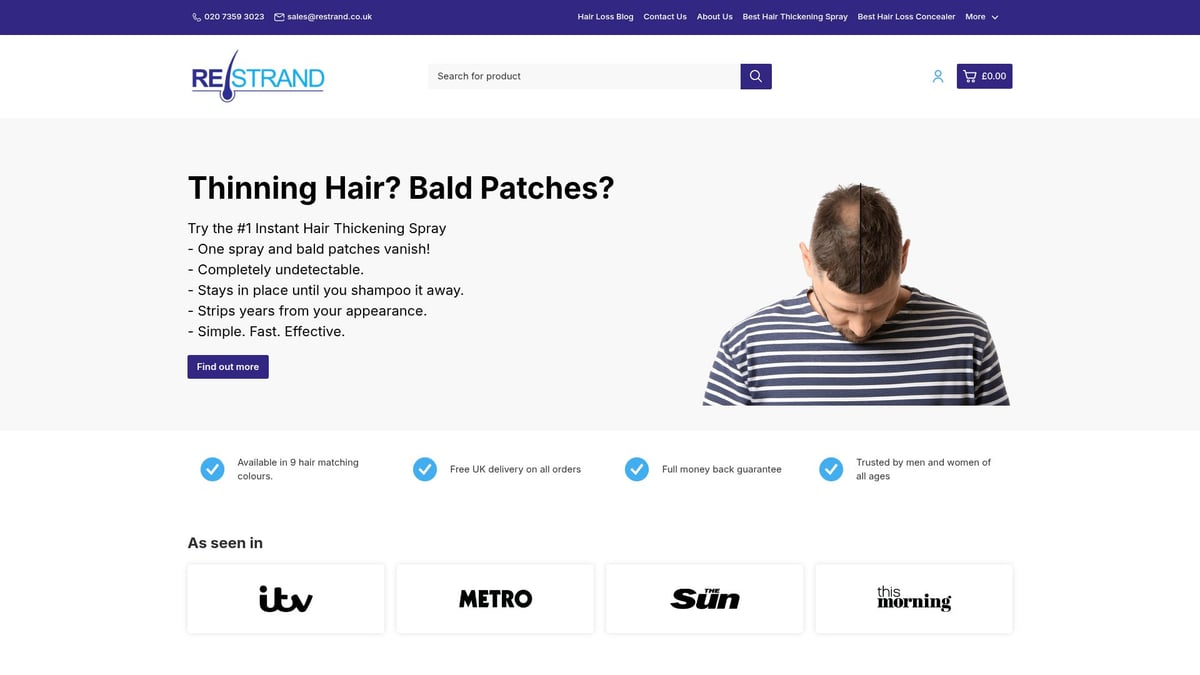
These non-invasive products are easy to apply, making them an ideal choice for those seeking immediate results without surgery or prescription drugs. Benefits include a visible improvement in density, enhanced confidence, and suitability for daily use.
RESTRAND’s solutions complement medical, nutritional, and lifestyle approaches, making them a valuable part of a comprehensive hair management plan.
Preventing Hair Loss and Maintaining Healthy Hair in 2026
Taking proactive steps to prevent hair loss and hair thinning is more important than ever in 2026. Modern lifestyle pressures, environmental factors, and genetics all play a role, but daily habits and preventive care can make a significant difference. Here are the essential strategies to help you maintain healthy, resilient hair.
Daily Habits for Scalp and Hair Health
Establishing consistent routines is vital in preventing hair loss and hair thinning. Begin with gentle scalp cleansing, using mild shampoos that preserve the scalp’s natural oils. Incorporate scalp massages for a few minutes each day to boost circulation and stimulate follicles.
- Avoid excessive brushing or pulling, which can stress hair and lead to breakage.
- Protective hairstyles, such as loose braids or buns, reduce tension on the roots.
- Limit exposure to harsh chemicals and heat from styling tools.
By integrating these habits, you can create a strong foundation for lasting hair health and resilience against hair loss and hair thinning.
Diet and Nutrition for Hair Wellness
A balanced diet plays a pivotal role in protecting against hair loss and hair thinning. Focus on a variety of nutrient-rich foods to nourish your hair from within.
- Prioritise protein sources like eggs, fish, beans, and lean meats.
- Include iron-rich foods such as spinach, lentils, and pumpkin seeds.
- Add antioxidants from berries, nuts, and leafy greens.
- Stay hydrated and incorporate healthy fats like avocados and olive oil.
- Limit processed foods and sugar, which can negatively affect hair growth.
Consistent, mindful nutrition can strengthen follicles and support optimal hair growth, helping you manage and prevent hair loss and hair thinning.
Early Intervention and Ongoing Monitoring
Early action is key when addressing hair loss and hair thinning. Perform regular self-assessments, checking for increased shedding, changes in hair density, or unusual scalp sensations. Utilise digital monitoring tools and mobile apps to track hair health over time.
Consult a qualified professional at the first sign of noticeable change. Timely intervention can halt progression, improve outcomes, and preserve more of your natural hair. Adjust your care routine based on feedback from your scalp and hair, ensuring you remain proactive in your approach to hair loss and hair thinning.
Innovations and Future Trends in Hair Care
The landscape of hair loss and hair thinning prevention is rapidly evolving. In 2026, personalised regimens powered by artificial intelligence are becoming mainstream, allowing for tailored solutions based on your genetic and lifestyle profile.
Regenerative medicine and stem cell research are opening new doors for hair restoration. Advances in topical and oral therapies are offering more targeted, effective results than ever before. According to the hair loss market growth forecast, demand for innovative treatments is set to rise considerably in the coming years.
A holistic, preventative strategy that combines technology, nutrition, and lifestyle remains the most effective way to combat hair loss and hair thinning.
If you’re ready to take control of your hair health and put the expert advice from this guide into action, you don’t have to wait for gradual results. Sometimes, feeling confident comes down to finding immediate, practical solutions that fit seamlessly into your daily life. That’s where RESTRAND’s instant hair thickening sprays and concealers come in—designed specifically to help you achieve a fuller, healthier look and boost your self-esteem in moments. If you’re curious about how easy it is to conceal thinning areas and regain confidence, Find Out More about what could work for you.