Hair loss is becoming increasingly common in 2026, affecting millions and often undermining self-confidence and wellbeing. Many people facing full hair loss struggle with emotional and psychological challenges that can impact daily life. Fortunately, recent expert insights, scientific advances, and practical solutions are making a real difference. This comprehensive guide offers a full-spectrum overview of causes, prevention, diagnosis, and treatments, featuring the most effective solutions and expert recommendations for 2026. Explore the following sections to understand hair loss, discover prevention strategies, learn about diagnosis and treatments, consider lifestyle adjustments, and stay updated on the latest innovations.
Understanding Hair Loss: Types, Causes, and Risk Factors
Hair loss is a complex issue that affects millions worldwide. To navigate the full hair loss journey, it is essential to understand how hair grows, why it falls out, and what risk factors increase vulnerability. This section offers a scientific overview and the latest insights into the mechanisms behind full hair loss, setting the foundation for prevention and treatment.
The Science of Hair Growth and Loss
Human hair follows a precise growth cycle with four main phases:
| Phase | Description |
|---|---|
| Anagen | Growth phase (2–7 years, most follicles) |
| Catagen | Transitional phase (2–3 weeks) |
| Telogen | Resting phase (3–4 months) |
| Exogen | Shedding phase (hair falls out naturally) |
On average, a healthy scalp sheds 50 to 100 hairs each day as part of this cycle. This natural process is not considered full hair loss unless the balance between growth and shedding is disrupted.
The difference between normal shedding and pathological hair loss lies in the amount and pattern of hair coming out. Sudden, excessive shedding or noticeable thinning may signal medical concerns. Recognising these shifts is vital in addressing full hair loss early.
Common Types of Hair Loss in 2026
By 2026, several types of hair loss have become more widely recognised:
- Androgenetic alopecia: Also known as male or female pattern baldness, it remains the leading cause of full hair loss. Genetic predisposition plays a significant role.
- Alopecia areata: This autoimmune condition is increasing in incidence, causing patchy, unpredictable bald spots.
- Telogen effluvium: Triggered by stress, illness, or hormonal changes, it leads to diffuse shedding.
- Scarring alopecias: Conditions like lichen planopilaris and frontal fibrosing alopecia destroy hair follicles, leading to permanent loss.
- Traction alopecia: Linked to tight hairstyles and repeated tension on the scalp.
Each type presents unique patterns and progression. For those experiencing full hair loss, identifying the specific type is the first step toward tailored intervention.
Root Causes and Risk Factors
A range of factors contribute to full hair loss:
- Genetics: Family history remains the strongest predictor.
- Hormonal imbalances: Thyroid disorders, menopause, and PCOS can disrupt hair cycles.
- Environmental and lifestyle influences: Poor diet, chronic stress, and exposure to pollution all raise risk.
- Medical conditions and medications: Autoimmune diseases and certain drugs are well-known triggers.
- Age and gender: Men and women show different patterns, and risk increases with age.
Understanding these risk factors empowers individuals to take proactive measures. Addressing underlying causes is crucial in managing full hair loss and preventing progression.
Key Statistics and Trends (2026)
Recent years have seen notable shifts in full hair loss trends. Global data indicate that approximately 35% of men and 20% of women are affected by age 40. Stress-related hair loss has surged since the pandemic, with more cases of telogen effluvium reported.
Awareness and diagnosis rates are also rising, partially due to improved access to telemedicine and digital tools. According to AI-powered hair loss insights, analysis of over a million users has revealed emerging patterns in risk factors and earlier detection.
These trends underscore the importance of staying informed and seeking early intervention for full hair loss. Keeping up with the latest data can guide personal and professional decisions in hair health.
Diagnosing Hair Loss: When and How to Seek Help
Hair loss can be distressing, but early diagnosis is essential for effective management. Understanding when to seek help and how diagnosis works is a crucial part of the full hair loss journey. This section outlines key signs, the diagnostic process, modern self-assessment tools, and the challenges people face when seeking help.
Recognising Early Signs and Symptoms
Spotting the early signs of full hair loss can make a significant difference. Common indicators include thinning at the crown or temples, a widening part, or clumps of hair left on pillows or in the shower.
Other warning signs to watch for:
- Noticeable patches of baldness
- Rapid progression of hair thinning
- Scalp sensations such as itching or burning
If you experience any of these symptoms, it is wise to monitor your scalp closely and consider seeking medical advice.
Professional Assessment and Diagnosis
A professional diagnosis is the foundation of effective full hair loss treatment. Experts such as GPs, dermatologists, or trichologists use a combination of methods to identify the cause.
Diagnostic tools include:
- Scalp examination and the pull test
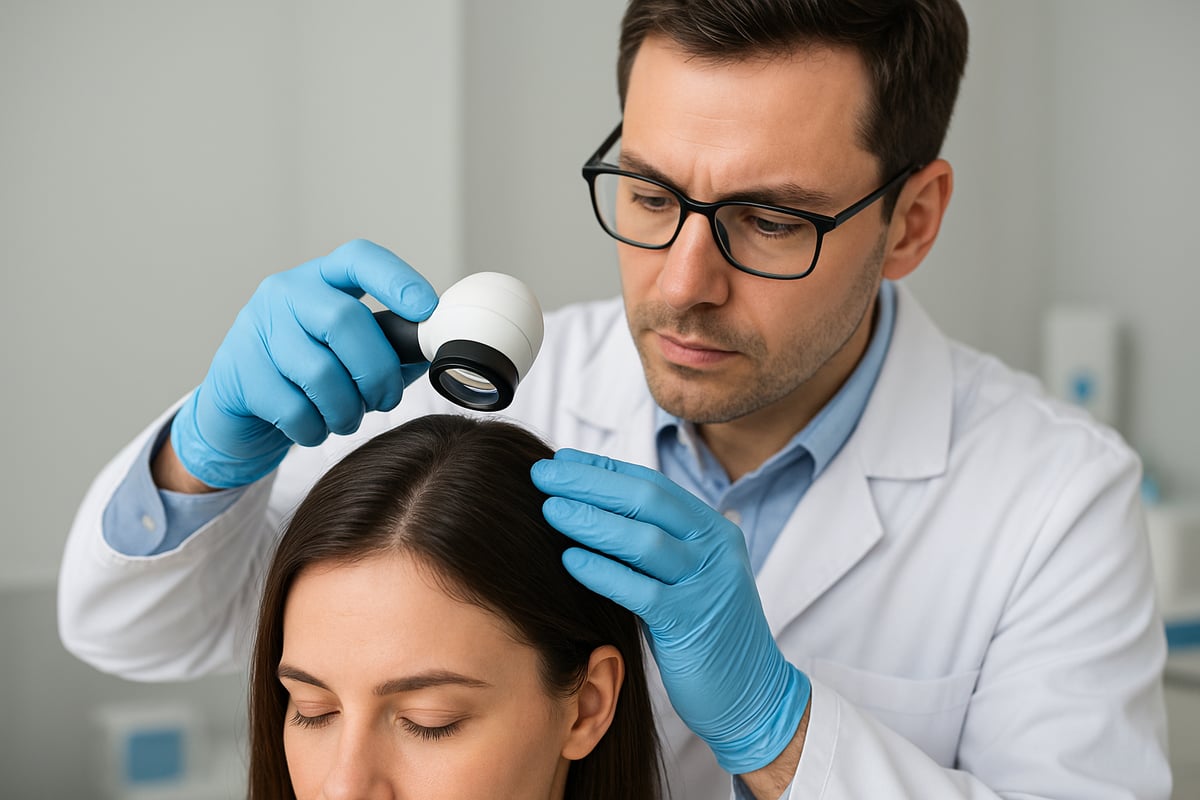
- Trichoscopy to examine follicles
- Blood tests for deficiencies or hormonal imbalances
- Scalp biopsy for complex or scarring cases
Consulting a specialist ensures you receive an accurate diagnosis and a tailored management plan.
Self-Assessment Tools and Digital Solutions
In 2026, digital innovation has transformed full hair loss assessment. AI-powered apps allow users to analyse scalp photos, track changes, and even receive preliminary recommendations.
Benefits of modern self-assessment tools:
- Convenience and privacy
- Early identification of concerning patterns
- Connection to telehealth services for remote consultations
While these tools are helpful, they should complement—not replace—professional advice.
Barriers to Early Diagnosis
Despite advances, many people delay seeking help for full hair loss. Stigma and misinformation remain significant obstacles. Some believe hair loss is always genetic or untreatable, while others are embarrassed to discuss their concerns.
Common barriers include:
- Fear of judgement or blame
- Misconceptions about causes and treatments
- Lack of awareness about available support
Addressing these barriers can lead to earlier intervention and better outcomes.
Case Examples and Data
Recent data highlights a rise in teledermatology consultations for full hair loss since 2022. On average, patients wait 6 to 12 months before seeking help, often after noticing persistent shedding or visible thinning.
Case studies show that early diagnosis leads to more treatment options and improved satisfaction. Increased awareness and digital resources are helping more people take control of their hair health.
Preventing Hair Loss: Proactive Measures and Lifestyle Changes
Taking action early is crucial for anyone hoping to slow or stop the progression of full hair loss. Prevention is a multi-faceted process, combining nutrition, self-care, stress management, and environmental awareness. By addressing each of these areas, you can maintain healthy hair and reduce your risk of significant thinning.

Nutrition and Supplementation
Diet plays a pivotal role in preventing full hair loss. Hair follicles require a steady supply of nutrients to grow and remain strong. Key nutrients include:
- Protein (essential for hair structure)
- Iron (prevents anaemia-related shedding)
- Vitamin D (important for follicle cycling)
- Biotin and zinc (support keratin production)
A balanced diet rich in these nutrients can support scalp health. Evidence also suggests that certain supplements, such as marine collagen and multivitamins, may help reduce shedding. For a deeper dive into the links between nutrition and hair health, explore Hair Loss and Nutrition Insights.
Hair Care Practices and Product Choices
Gentle hair care is fundamental in the prevention of full hair loss. Over-washing, harsh styling, and heat damage can weaken strands and increase breakage. For daily routines, consider:
- Using sulphate-free shampoos and conditioners
- Avoiding parabens and silicones
- Limiting heat styling and tight hairstyles
Opting for products with mild, nourishing ingredients helps protect the scalp and hair shaft, preserving density and texture.
Stress Management and Mental Health
Chronic stress is a well-established trigger for full hair loss, especially in the form of telogen effluvium. Managing stress can help stabilise the hair growth cycle and reduce excessive shedding. Effective techniques include:
- Practising mindfulness and meditation
- Regular physical activity
- Prioritising restful sleep
Studies continue to show that stress reduction can significantly decrease hair loss, making mental wellbeing a vital part of prevention.
Hormonal and Medical Considerations
Hormonal imbalances, such as those associated with thyroid disorders, PCOS, or menopause, can accelerate hair thinning. Regular health check-ups enable early detection and management of these conditions. If you notice sudden or unusual hair changes, consult a healthcare professional to rule out underlying medical issues.
Environmental and Lifestyle Factors
External factors also influence the risk of full hair loss. Pollution, UV exposure, and water quality can damage the scalp and weaken hair. Protective strategies include:
- Wearing hats or scarves outdoors
- Using water filters for washing hair
- Applying scalp sunscreen
Being mindful of your environment and adjusting daily habits can make a measurable difference in long-term hair health.
Early Intervention
Addressing the earliest signs of full hair loss offers the best chance of slowing progression. If you notice increased shedding or scalp changes, seek professional advice promptly. Early preventative treatments, tailored to your needs, can help preserve your hair and confidence.
Hair Loss Treatments in 2026: Medical, Cosmetic, and Natural Solutions
Managing full hair loss in 2026 involves a blend of proven medical options, innovative cosmetic approaches, and evidence-based natural therapies. As research advances, individuals now have access to a wider range of effective solutions tailored to their specific needs. Understanding each treatment category allows you to make informed decisions and achieve optimal results.
Medical Treatments and Prescription Options
Medical interventions remain the cornerstone for many experiencing full hair loss. The most widely used options are minoxidil and finasteride. Minoxidil is available in topical and oral forms, both shown to slow shedding and promote regrowth for men and women. Finasteride and its cousin, dutasteride, are popular with men, targeting hormonal causes of hair loss. Women may benefit from oral anti-androgens like spironolactone or flutamide, especially for hormonal imbalances.
Recent clinical trials have spotlighted JAK inhibitors, offering hope for those with alopecia areata. Platelet-rich plasma (PRP) therapy, which involves injecting concentrated platelets into the scalp, has gained traction for its regenerative effects. Each option carries potential side effects, so professional guidance is essential. For a deeper dive into these therapies and expert advice, visit the Hair Loss Medical Treatments category.
Surgical Interventions and Advances
Surgical solutions for full hair loss have evolved significantly. Follicular Unit Extraction (FUE) and Follicular Unit Transplantation (FUT) remain the gold standards, offering natural-looking, permanent results. Robotic-assisted techniques have improved precision and reduced recovery times, making procedures more accessible and appealing.
Stem cell and regenerative therapies are showing promise in early trials. These methods aim to stimulate dormant follicles and encourage new growth, potentially transforming the outlook for those with advanced hair loss. Surgical interventions require careful consideration of cost, downtime, and candidacy, making a thorough consultation with a specialist crucial for success.
Non-Surgical Concealment and Cosmetic Solutions
For many, non-surgical cosmetic options provide immediate confidence boosts during a full hair loss journey. Hair thickening sprays, fibres, and powders offer quick, undetectable coverage for thinning areas. These products cling to existing hair, creating the illusion of density and volume.
Modern wigs, toppers, and hairpieces have advanced materials, providing comfort and a natural appearance for daily wear. Scalp micropigmentation, a form of medical tattooing, can recreate the look of hair follicles and disguise bald patches. For an in-depth comparison of top cosmetic products, see the Best Hair Loss Concealer Guide.
Instant Hair Thickening Solutions: The Role of RESTRAND
RESTRAND’s range of instant hair thickening sprays and concealers has become a trusted choice for those managing full hair loss. These products deliver immediate, non-invasive coverage, effectively masking thinning and bald spots within seconds. The formula is designed for both men and women, with a wide selection of shades for seamless colour matching.
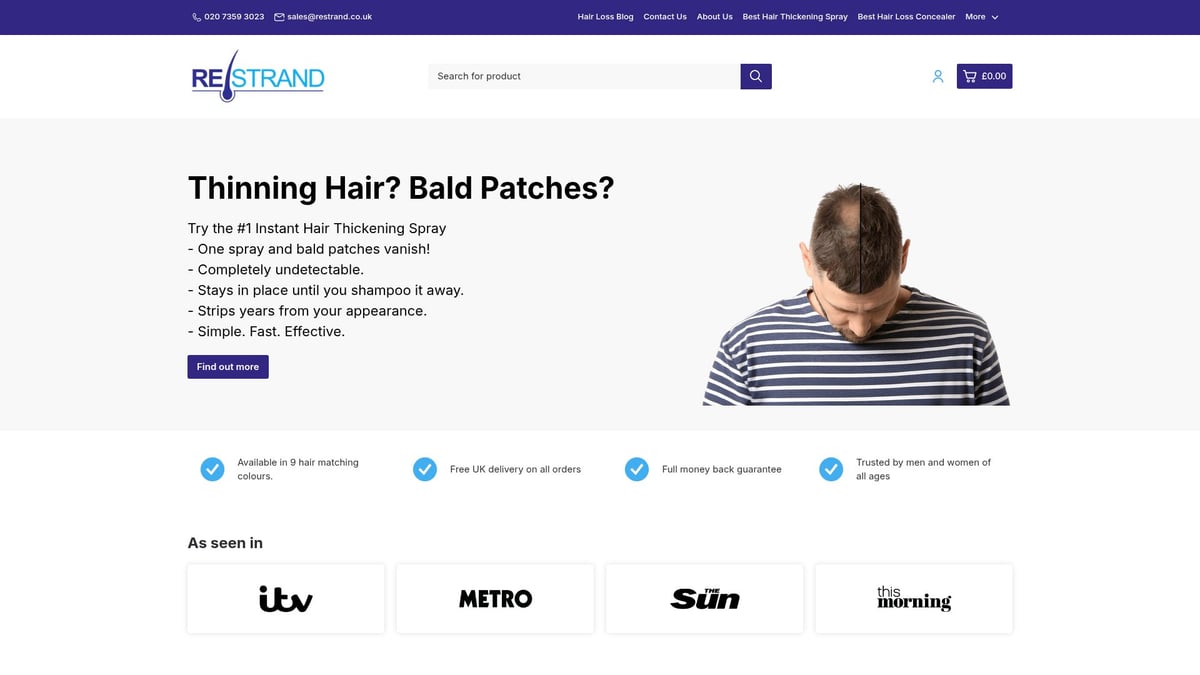
Users praise RESTRAND for its undetectable finish and ease of application. Many report increased confidence and satisfaction, especially when compared to other cosmetic solutions on the market. Customer testimonials highlight the brand’s reliability and value as part of a comprehensive hair loss routine.
Natural and Alternative Therapies
A growing number of individuals seek natural therapies to address full hair loss. Essential oils such as rosemary and peppermint are supported by limited studies suggesting improved scalp circulation and hair growth. Microneedling and scalp massage stimulate follicles, while low-level laser therapy (LLLT) devices are available for home use, with clinical trials indicating moderate success.
Herbal remedies like saw palmetto and pumpkin seed oil are often used as supplements, though evidence remains mixed. It is important to consult healthcare professionals before starting alternative therapies, as not all are suitable for every cause of hair loss.
Combining Treatments for Best Results
Combining approaches often yields the best outcomes for full hair loss. Medical treatments can be paired with cosmetic solutions and lifestyle changes for a holistic routine. Many clinics now offer multi-modal programmes, monitoring progress and adjusting therapies as needed.
Case studies confirm that patients following a combination plan see improved satisfaction and hair density. Professional guidance is essential to avoid adverse interactions and ensure the most effective, personalised care. Staying informed and proactive is key to navigating the evolving landscape of hair loss treatments in 2026.
Living with Hair Loss: Coping, Confidence, and Community
Experiencing full hair loss can deeply affect daily life, touching every aspect from self-image to relationships. Many individuals find the journey emotionally challenging, yet support and practical strategies can make a significant difference. Understanding the psychological impact and embracing community resources empowers those facing full hair loss to regain confidence and thrive.
Psychological and Emotional Impact
The emotional toll of full hair loss is often underestimated. Many report feelings of embarrassment, frustration, or sadness as their appearance changes. These emotions can affect self-esteem, social interactions, and even professional life.
Mental health concerns, including anxiety and depression, are more common among those coping with full hair loss. Studies show that prompt support and understanding can ease these burdens. For further insights, the Psychological Impact of Hair Loss provides valuable perspectives and coping strategies.
Building Confidence and Self-Acceptance
Rebuilding confidence after full hair loss is a gradual process. Positive self-talk and self-care routines encourage a healthier mindset. Focusing on personal strengths, achievements, and qualities beyond appearance helps restore self-worth.
Support from friends, family, or professionals creates a strong foundation for acceptance. Embracing individuality and celebrating progress, no matter how small, are key steps in overcoming the challenges of full hair loss.
Support Groups and Online Communities
Connecting with others who understand the experience of full hair loss can be incredibly uplifting. UK-based and global forums offer safe spaces to share stories, advice, and encouragement.
Popular communities provide emotional reassurance, practical tips, and a sense of belonging. Joining these groups helps break the isolation that often comes with full hair loss, fostering empathy and hope.
Styling Tips and Camouflage Techniques
Adapting personal style is an empowering way to manage full hair loss. Strategic haircuts and clever styling can minimise the appearance of thinning areas. Accessories such as hats, scarves, and headbands add flair while offering coverage.
Professional stylists can recommend styles suited to individual needs, ensuring comfort and confidence. Simple changes in routine may help individuals feel more in control of their appearance.
When to Seek Further Help
Sometimes, full hair loss can trigger emotions that are difficult to manage alone. Signs such as persistent sadness, withdrawal, or distress suggest it may be time to seek professional help.
Mental health support, whether through counselling or therapy, provides essential tools for coping. Resources are available both online and in person, ensuring everyone facing full hair loss can access the support they need.
Real Stories
Many people living with full hair loss share inspiring stories of resilience and renewed self-worth. These accounts highlight how support, acceptance, and community can greatly improve quality of life.
Data consistently shows that joining support groups or seeking professional guidance leads to better emotional outcomes. Embracing the journey, rather than resisting it, often results in greater confidence and a richer, more fulfilling life.
Future Innovations and Trends in Hair Loss Management
The landscape of full hair loss management is transforming at an unprecedented pace. Innovations in research, digital technology, and consumer preferences are reshaping how individuals approach prevention and treatment. As we move into 2026, understanding these trends is vital for anyone seeking the most effective solutions for full hair loss.
Breakthrough Research and Treatments
In 2026, scientific breakthroughs are redefining what is possible for full hair loss solutions. Researchers are exploring gene editing technologies like CRISPR, aiming to directly address hereditary causes. Stem cell therapies and follicle regeneration are showing early promise in clinical trials, offering the potential to restore natural hair growth. Pharmaceutical innovations are advancing rapidly, with topical treatments such as PP405 hair loss treatment and GT-20029 androgen receptor degrader making headlines for their targeted action and improved safety profiles. These developments offer new hope for those facing full hair loss and may soon become mainstream options.
Digital and AI-Driven Solutions
Digital transformation is revolutionising full hair loss care. AI-powered diagnostic tools now allow for highly personalised analysis, enabling early detection and tailored treatment plans. Wearable devices are monitoring scalp health in real time, giving users valuable feedback on environmental and physiological factors. Virtual try-on technology lets individuals preview wigs, hairpieces, and even cosmetic treatments before committing. These advancements are making full hair loss management more accessible, accurate, and user-friendly for people across the UK and beyond.
Market Growth and Consumer Trends
The global market for full hair loss treatments is projected to reach £6 billion by the end of 2026. Consumers are increasingly seeking non-invasive, instant solutions that fit seamlessly into daily routines. Demand for products like instant thickening sprays, gentle hair care formulations, and digital self-assessment tools is on the rise. Telehealth and e-commerce platforms are also expanding, enabling people to access full hair loss support and advice from the comfort of home. This shift reflects a broader trend toward convenience, privacy, and personal empowerment in managing full hair loss.
Summary Table: Key Trends in Full Hair Loss Management (2026)
| Trend Area | Major Development | Impact on Patients |
|---|---|---|
| Medical Research | Gene editing, new topicals | More treatment options |
| Digital Solutions | AI diagnosis, wearables, virtual try-on | Personalised, accessible care |
| Consumer Preferences | Instant, non-invasive products | Greater convenience |
| Service Delivery | Telehealth, e-commerce | Wider access, privacy |
Ethical and Regulatory Considerations
With rapid progress in full hair loss treatments, ethical and regulatory oversight is crucial. Authorities are closely monitoring the safety and efficacy of new therapies, particularly in areas like gene editing and stem cell use. There is also a growing need to combat misinformation and unproven "miracle cures" that can mislead vulnerable individuals. Regulatory bodies are working to ensure that patients have access to reliable, evidence-based options for full hair loss, helping maintain public trust as the field evolves.
Expert Predictions for 2026 and Beyond
Leading dermatologists and trichologists forecast a future where full hair loss management becomes increasingly personalised. As genetic testing and biomarker analysis become more sophisticated, treatments will be tailored to each person's unique biology and lifestyle. Experts also anticipate greater integration of mental health and holistic support, recognising the complex impact of full hair loss on well-being. The trend toward multidisciplinary care is expected to continue, ensuring comprehensive support for every stage of the full hair loss journey.
Empowering Patients Through Education
Staying informed is essential for anyone navigating full hair loss. Educational resources, support groups, and reputable online platforms are empowering patients to make confident, evidence-based decisions. Ongoing education about new treatments and digital tools ensures individuals remain proactive and engaged in their care. By embracing these innovations, people affected by full hair loss can look forward to more effective, personalised, and hopeful outcomes in the years ahead.
As we’ve explored, hair loss in 2026 is more common than ever and can deeply affect how you feel about yourself. With so many expert insights and new solutions available, you don’t have to face this journey alone. Whether you’re looking for prevention strategies, treatment options, or effective ways to boost your confidence, the right information makes all the difference. If you’re ready to take the next step and see how instant hair thickening sprays and concealers could help you achieve a fuller, healthier look, I encourage you to Find Out More.