Discovering bald patches can be an unsettling experience, whether you notice them on your scalp, beard, or other areas of your body. These areas of hair loss affect millions of people across the UK and worldwide, impacting confidence and self-image. Understanding the various causes, treatment options, and modern cosmetic solutions available in 2026 empowers you to take control of your appearance and regain the confidence that thinning hair may have diminished. This comprehensive guide explores everything you need to know about managing and concealing these challenging areas of hair loss.
Understanding the Different Types of Bald Patches
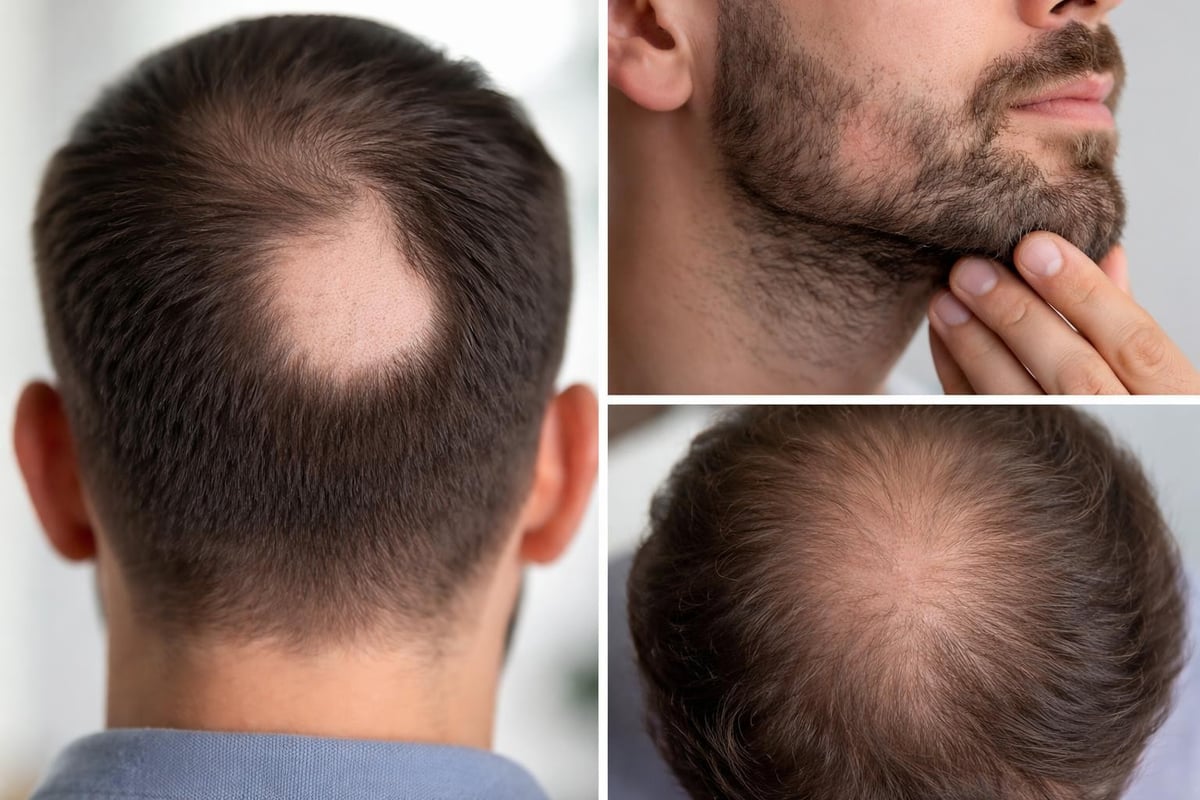
Bald patches manifest in various forms, each with distinct characteristics and underlying causes. The most common presentation involves small, circular areas of complete hair loss that appear suddenly on the scalp.
Alopecia Areata: The Primary Culprit
Alopecia areata represents the most frequent cause of patchy hair loss, affecting approximately 2% of the population at some point during their lifetime. This autoimmune condition occurs when your body's immune system mistakenly attacks hair follicles, leading to hair loss in distinct patches.
Key characteristics include:
- Smooth, round patches of complete hair loss
- Rapid onset, often appearing overnight
- No scarring or skin changes in affected areas
- Potential for hair regrowth, though recurrence is common
- Can affect any hair-bearing area of the body
The condition doesn't discriminate, affecting men, women, and children of all ethnicities. While the exact trigger remains unknown, research suggests genetic predisposition combined with environmental factors plays a significant role.
Alopecia Barbae and Facial Hair Loss
Men experiencing alopecia barbae face unique challenges as bald patches develop within facial hair. These circular areas of beard loss can significantly impact appearance and confidence, particularly for those who maintain facial hair as part of their personal style.
This variant follows similar autoimmune mechanisms but specifically targets beard follicles. The patches may appear singly or in multiple locations, and whilst hair sometimes regrows spontaneously, the unpredictable nature makes planning difficult.
Medical Causes Behind Patchy Hair Loss
Understanding what triggers these areas of hair loss helps inform treatment decisions and set realistic expectations for recovery.
| Cause | Mechanism | Reversibility | Time Frame |
|---|---|---|---|
| Autoimmune disorders | Immune system attacks follicles | Potentially reversible | 6-12 months |
| Fungal infections | Scalp ringworm damages follicles | Reversible with treatment | 2-4 months |
| Trichotillomania | Compulsive hair pulling | Reversible if behaviour stops | 3-6 months |
| Trauma/scarring | Physical damage to follicles | Often permanent | N/A |
Hormonal Imbalances and Pattern Hair Loss
While not creating the classic circular patches, hormonal changes contribute to thinning that can appear patchy, particularly in women. Pregnancy, menopause, thyroid disorders, and polycystic ovary syndrome all influence hair density and distribution.
Androgenetic alopecia, though typically presenting as diffuse thinning, sometimes creates areas of more pronounced loss that resemble patches. This genetic condition affects both men and women, with patterns differing between sexes.
Stress and Telogen Effluvium
Significant physical or emotional stress triggers widespread hair shedding known as telogen effluvium. Whilst this usually causes diffuse thinning rather than distinct bald patches, severe cases may create areas of more noticeable loss.
The good news? This condition is typically temporary, with hair regrowth occurring once the underlying stressor resolves. Recovery usually begins within three to six months after the triggering event.
Diagnosis and When to Seek Professional Help
Recognising when bald patches require medical attention versus cosmetic management ensures appropriate care and optimal outcomes.
Warning Signs Requiring Medical Consultation
Seek professional evaluation if you experience:
- Rapid appearance of multiple patches
- Spreading or enlarging areas of hair loss
- Accompanying symptoms like itching, burning, or scaling
- Complete hair loss across the entire scalp
- Loss of eyebrow or eyelash hair alongside scalp patches
- Any changes in skin texture within affected areas
Dermatologists employ various diagnostic tools including scalp examination, hair pull tests, and occasionally biopsies to determine the underlying cause. Early diagnosis enables prompt treatment and may improve outcomes, particularly for conditions like scarring alopecia where delayed intervention can result in permanent loss.
The Diagnostic Process
Your healthcare provider will typically conduct a thorough medical history, examining factors such as recent illnesses, medications, stress levels, and family history of hair loss. Blood tests may screen for thyroid dysfunction, nutritional deficiencies, or autoimmune markers.
Understanding the specific cause of your bald patches informs both medical treatment options and cosmetic concealment strategies. The American Academy of Dermatology provides detailed information about the diagnostic process for various forms of alopecia.

Medical Treatment Options Available in 2026
Modern medicine offers numerous approaches to treating bald patches, with effectiveness varying based on the underlying cause and individual response.
Topical Treatments and Injections
Corticosteroid injections directly into affected areas remain a first-line treatment for alopecia areata. Administered every four to six weeks, these injections suppress local immune activity, allowing hair regrowth in many patients.
Common topical therapies include:
- Minoxidil solution (available over-the-counter)
- Corticosteroid creams and ointments
- Anthralin cream for stimulating regrowth
- Topical immunotherapy agents for extensive cases
Response rates vary significantly, with some individuals experiencing complete regrowth whilst others see minimal improvement. Patience is essential, as visible results typically require three to six months of consistent treatment.
Systemic Medications
For extensive bald patches or cases unresponsive to topical therapy, oral medications may be prescribed. These include corticosteroids, immunosuppressants, and newer JAK inhibitors showing promise in clinical trials.
The comprehensive guide on balding from Healthline explores various treatment modalities in greater detail, helping patients understand their options.
Emerging Therapies
Research continues advancing, with 2026 bringing renewed hope through innovative treatments. Platelet-rich plasma (PRP) injections, low-level laser therapy, and microneedling combined with topical agents show encouraging results in clinical studies.
Nutritional Support and Lifestyle Modifications
Whilst nutrition alone rarely reverses autoimmune-related bald patches, optimising dietary intake supports overall hair health and may enhance treatment effectiveness.
| Nutrient | Role in Hair Health | Food Sources |
|---|---|---|
| Iron | Oxygen transport to follicles | Red meat, spinach, lentils |
| Zinc | Cell division and growth | Oysters, beef, pumpkin seeds |
| Biotin | Keratin production | Eggs, almonds, sweet potatoes |
| Vitamin D | Follicle cycling regulation | Fatty fish, fortified dairy |
| Protein | Hair structure building | Lean meats, fish, legumes |
Exploring hair loss and nutrition provides valuable insights into dietary strategies that support healthy hair growth. Whilst supplements won't cure autoimmune conditions, addressing deficiencies creates optimal conditions for regrowth when combined with medical treatments.
Stress Management and Sleep
Chronic stress exacerbates many hair loss conditions, making stress reduction techniques valuable complementary approaches. Regular exercise, meditation, adequate sleep, and professional counselling when needed all contribute to overall wellbeing and may positively impact hair health.
Cosmetic Solutions for Immediate Confidence
Whilst medical treatments work to restore hair growth, cosmetic concealment products provide instant results, allowing you to face the world with confidence during the regrowth process.
Hair Thickening Sprays and Fibres
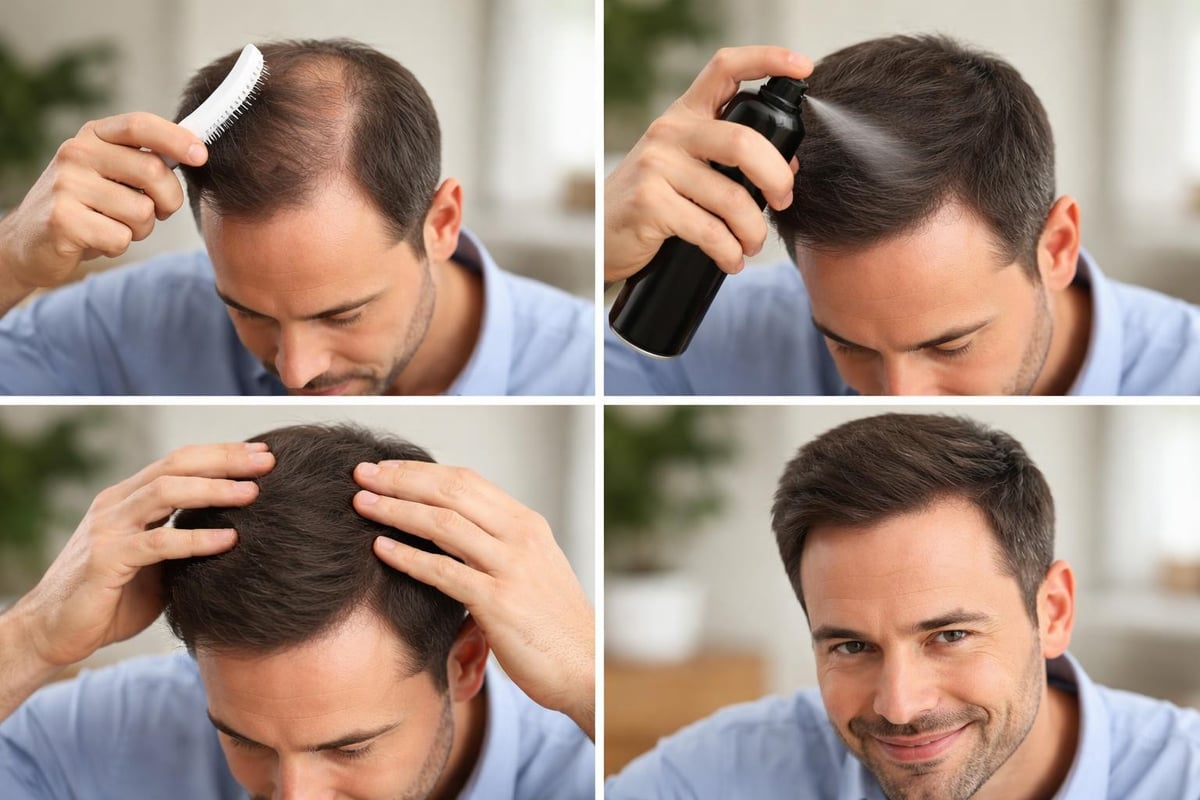
Modern cosmetic solutions have evolved significantly, offering natural-looking coverage that withstands daily activities. Hair thickening sprays utilise specially formulated fibres that electrostatically bind to existing hair, creating the appearance of fuller, denser coverage.
Benefits of professional-grade thickening sprays:
- Instant visual improvement in seconds
- Natural appearance that blends seamlessly
- Water-resistant formulations for all-weather confidence
- Easy removal with regular shampooing
- Suitable for various hair colours and types
Understanding spray-on hair products helps you select the most appropriate solution for your specific needs. These products work particularly well for small to moderate bald patches, creating visual density that restores a more youthful appearance.
Application Techniques for Optimal Results
Achieving natural-looking results requires proper application technique. Begin with clean, dry hair, then apply the product using short, light bursts from approximately 15-20 centimetres away. Build coverage gradually rather than applying heavily initially.
Professional application tips:
- Part hair to expose the affected area
- Apply product in thin, even layers
- Allow each layer to dry briefly before adding more
- Blend edges carefully for seamless transition
- Finish with a light hold spray if desired
Thickening spray solutions offer practical advice on maximising the effectiveness of these cosmetic concealers.
Styling Strategies to Minimise Visible Patches
Strategic styling works synergistically with cosmetic products to create optimal coverage and confidence.
Haircuts and Styling Approaches
Your hairstyle significantly impacts how noticeable bald patches appear. Shorter styles often work better than longer hair for small patches, as they create more uniform texture and reduce the visual contrast between affected and unaffected areas.
Styling considerations:
- Textured cuts add volume and movement
- Strategic partings divert attention from patches
- Layering creates dimensional coverage
- Avoiding slicked-back styles that expose the scalp
- Using volumising products at the roots
Professional hairstylists experienced with hair loss can recommend cuts that flatter your specific pattern of thinning whilst maintaining your personal style preferences.
Colour Techniques
For those with dark hair, lightening the overall shade slightly reduces contrast between hair and scalp, making patches less noticeable. Subtle highlights add dimension and create visual density. Conversely, those with very light hair might consider slightly darker tones to increase the contrast with their hair fibres when using thickening products.
The Psychological Impact and Support Networks
The emotional toll of discovering bald patches extends beyond physical appearance, affecting self-esteem, social interactions, and mental wellbeing.
Coping with Emotional Challenges
Many people experiencing patchy hair loss report feelings of anxiety, depression, and social withdrawal. These responses are entirely normal and valid. Acknowledging the emotional impact represents an important first step towards developing healthy coping mechanisms.
Strategies for emotional wellbeing:
- Connecting with support groups (online or in-person)
- Seeking professional counselling when needed
- Focusing on controllable aspects of appearance
- Practising self-compassion and patience
- Celebrating small victories in the regrowth journey
Research from resources on alopecia emphasises the importance of addressing psychological aspects alongside physical treatment.
Building Confidence During Treatment
Rather than waiting for complete regrowth, which may take months or might not occur, developing confidence throughout the journey proves more sustainable. Cosmetic solutions play a crucial role here, enabling you to present yourself as you wish whilst medical treatments work.
Many individuals find that combining treatment approaches, including medical interventions, cosmetic concealment, and psychological support, creates the most comprehensive and effective strategy.
Long-term Management and Realistic Expectations
Managing bald patches often involves long-term strategies rather than quick fixes, requiring patience and realistic goal-setting.
Understanding Prognosis
Alopecia areata follows an unpredictable course. Some individuals experience a single episode with complete regrowth and no recurrence. Others face ongoing challenges with new patches appearing periodically. Setting realistic expectations prevents disappointment and helps maintain emotional equilibrium.
| Extent of Hair Loss | Likelihood of Regrowth | Typical Timeline |
|---|---|---|
| Single small patch | 80-90% | 6-12 months |
| Multiple patches | 60-70% | 12-24 months |
| Extensive (>50% scalp) | 20-30% | Variable |
| Total scalp loss | 10-20% | Often years |
These statistics represent general patterns; individual outcomes vary considerably based on numerous factors including age at onset, family history, and presence of other autoimmune conditions.
Monitoring and Adjusting Treatment
Regular follow-up with your dermatologist enables treatment adjustments based on response. What works initially may become less effective over time, necessitating changes in approach. Similarly, new patches may require different strategies than older, established areas of loss.
Maintaining detailed records of treatments tried, responses observed, and side effects experienced helps optimise your long-term management plan. Photography provides valuable documentation of progress that our perception might miss.
Prevention Strategies and Risk Reduction
Whilst you cannot prevent autoimmune-related bald patches entirely, certain measures may reduce risk or severity.
Protecting Hair and Scalp Health
Gentle hair care practices support overall follicle health, potentially making hair more resilient to shedding triggers. Avoid excessive heat styling, harsh chemical treatments, and tight hairstyles that create traction on follicles.
Protective hair care practices:
- Use lukewarm rather than hot water for washing
- Apply gentle, sulphate-free shampoos
- Minimise heat styling tool usage
- Protect hair from sun damage with hats or UV products
- Handle wet hair gently to prevent breakage
Managing Underlying Health Conditions
Optimising management of conditions like thyroid disorders, autoimmune diseases, and hormonal imbalances may reduce the likelihood of developing additional bald patches. Regular health check-ups, medication compliance, and healthy lifestyle choices all contribute to overall wellbeing.
Information from health resources on alopecia reinforces the connection between general health and hair preservation.
Living Fully with Bald Patches
Ultimately, bald patches represent just one aspect of your appearance and identity. Many successful, confident individuals navigate life with visible hair loss, demonstrating that self-worth transcends physical appearance.
Acceptance and Empowerment
Some people choose to embrace their bald patches, viewing them as distinctive features rather than flaws requiring concealment. Others prefer cosmetic solutions that align with their aesthetic preferences. Both approaches are equally valid.
The key lies in making choices that genuinely serve your wellbeing rather than responding solely to external pressures or perceived expectations. Whether you pursue aggressive medical treatment, rely on cosmetic concealment, or simply accept your changing appearance, ownership of that decision empowers you.
Community and Connection
Connecting with others experiencing similar challenges provides perspective, practical advice, and emotional support. Online communities, local support groups, and social media networks dedicated to hair loss create spaces where experiences are shared and validated.
Additional information from AARP offers insights particularly relevant for older adults navigating these challenges, though the principles apply across age groups.
Looking Forward
Research into hair loss treatments continues advancing, with 2026 bringing promising developments in immunotherapy, regenerative medicine, and cosmetic solutions. Staying informed about emerging research and treatments helps you make educated decisions about your care.
Meanwhile, the cosmetic solutions available today offer unprecedented natural-looking coverage, enabling you to present yourself confidently in professional and social settings whilst you pursue whatever treatment path feels right for you.
Understanding the causes and solutions for bald patches empowers you to make informed decisions about managing your appearance and wellbeing. Whether you're pursuing medical treatments, exploring lifestyle modifications, or seeking immediate cosmetic solutions, options exist to help you look and feel your best. For instant, natural-looking coverage that restores confidence whilst you navigate your hair loss journey, discover how RESTRAND LTD can help you achieve fuller-looking hair in seconds with professional-grade thickening sprays designed specifically for concealing bald patches and thinning hair.