Hair thinning affects millions of people across the UK, impacting confidence and self-esteem in profound ways. Whether you're noticing wider partings, visible scalp, or reduced volume, thickening thinning hair has become a priority for many seeking to restore their appearance and reclaim their confidence. The good news is that 2026 brings a wealth of proven solutions, from cutting-edge treatments to instant cosmetic options that deliver immediate results. Understanding the comprehensive range of approaches available empowers you to make informed decisions about which methods best suit your lifestyle, budget, and hair loss pattern.
Understanding Why Hair Thins
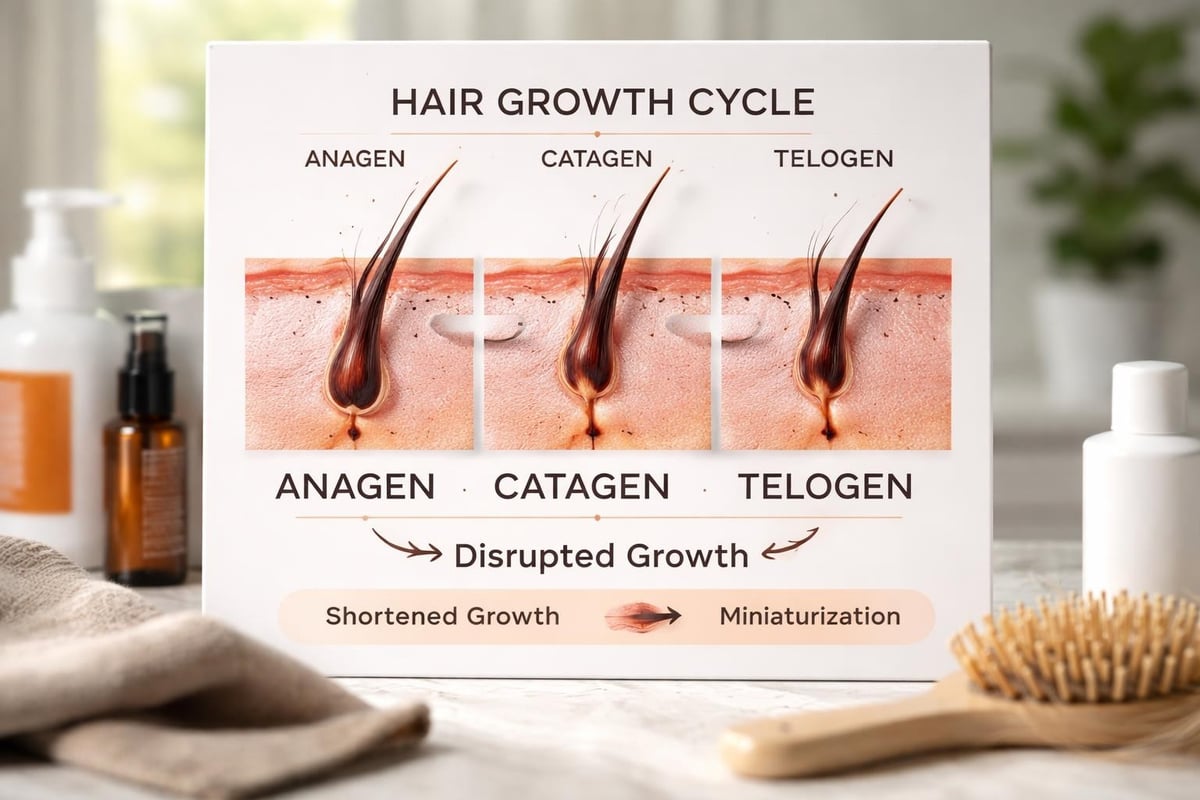
Hair thinning occurs through multiple mechanisms that affect both the quantity and quality of individual strands. The hair growth cycle consists of three phases: anagen (growth), catagen (transition), and telogen (resting). When this cycle becomes disrupted, hair spends less time growing and more time resting, leading to progressively thinner coverage.
Common causes of hair thinning include:
- Androgenetic alopecia (genetic pattern baldness)
- Hormonal fluctuations during menopause or pregnancy
- Nutritional deficiencies, particularly iron and protein
- Chronic stress and cortisol elevation
- Medical conditions affecting thyroid function
- Harsh chemical treatments and heat styling damage
Individual hair strands can also decrease in diameter over time, a phenomenon distinct from losing hair entirely. This miniaturisation process means you might maintain the same number of follicles whilst experiencing noticeably reduced volume. Studies on hair thickening reveal that addressing both hair density and strand diameter delivers optimal results.
The Role of Genetics and Hormones
Genetic predisposition determines your susceptibility to androgenetic alopecia, which accounts for over 80% of hair thinning cases in both men and women. Dihydrotestosterone (DHT), a derivative of testosterone, binds to follicle receptors and gradually shrinks them over time.
Women typically experience diffuse thinning across the crown and parting, whilst men often see recession at the temples and vertex. Hormonal shifts during ageing significantly impact hair quality, with declining oestrogen levels in women reducing hair's growth phase duration.
Professional Treatments for Thickening Thinning Hair
Medical interventions offer some of the most researched approaches to addressing hair thinning at its root cause. Consultation with a dermatologist or trichologist provides personalised assessment and treatment planning based on your specific condition.
Topical Medications
Minoxidil remains the gold standard for over-the-counter hair regrowth, approved for both men and women. Available in 2% and 5% concentrations, this vasodilator increases blood flow to follicles and extends the anagen phase.
| Treatment | Mechanism | Typical Timeline | Maintenance |
|---|---|---|---|
| Minoxidil | Increases blood flow to follicles | 3-6 months for visible results | Daily application indefinitely |
| Finasteride | Blocks DHT conversion (prescription) | 4-6 months minimum | Daily oral tablet |
| Platelet-Rich Plasma | Growth factor stimulation | 3-4 sessions for initial results | Quarterly maintenance |
| Low-Level Light Therapy | Cellular energy stimulation | 6-12 months | 3 times weekly |
Dermatologist-recommended treatments often combine multiple approaches for synergistic effects. However, medical treatments require patience and consistency, with most showing results only after several months of dedicated use.
Advanced Clinical Procedures
Platelet-rich plasma (PRP) therapy has gained substantial traction in recent years. This procedure involves drawing your blood, processing it to concentrate growth factors, and injecting the plasma into your scalp. Research into growth factor injections suggests promising results for stimulating dormant follicles.
Microneedling creates controlled micro-injuries that trigger healing responses and enhance absorption of topical treatments. When combined with serums containing peptides or growth factors, this technique can significantly improve outcomes for thickening thinning hair.
Hair transplantation represents the most permanent solution, relocating follicles from donor areas to thinning zones. Modern FUE (Follicular Unit Extraction) techniques minimise scarring and deliver natural-looking results, though costs remain substantial and recovery time extends several weeks.
Natural and Lifestyle Approaches
Holistic methods for thickening thinning hair focus on optimising the conditions for healthy growth through nutrition, stress management, and gentle hair care practices. Whilst these approaches work more gradually than medical interventions, they carry minimal risk and support overall wellbeing.
Nutritional Strategies
Your hair follicles are amongst the most metabolically active cells in your body, requiring abundant nutrients to function optimally. Deficiencies in key vitamins and minerals directly impact hair thickness and growth rates.
Essential nutrients for hair health:
- Biotin (Vitamin B7): Supports keratin production and strand strength
- Iron: Enables oxygen transport to follicles; deficiency causes telogen effluvium
- Zinc: Regulates oil production and supports follicle function
- Vitamin D: Stimulates follicle cycling and new hair growth
- Omega-3 fatty acids: Reduce inflammation and support scalp health
- Protein: Provides building blocks for keratin synthesis
A balanced diet rich in lean proteins, leafy greens, fatty fish, nuts, and seeds provides these nutrients naturally. Expert advice on dietary approaches emphasises whole food sources over supplements when possible, though supplementation may prove necessary for identified deficiencies.

Scalp Care and Gentle Handling
Scalp health directly influences hair quality and thickness. Regular cleansing removes buildup that can clog follicles, whilst massage increases circulation and may extend the growth phase.
Avoid harsh treatments including:
- High-heat styling tools exceeding 180°C
- Tight hairstyles causing traction alopecia
- Chemical processes like bleaching or perming
- Aggressive brushing when hair is wet
- Sulphate-heavy shampoos that strip natural oils
Natural methods for hair thickening often incorporate essential oils such as rosemary, peppermint, and cedarwood. Studies suggest rosemary oil may perform comparably to minoxidil in promoting growth, though more research is needed.
Consider incorporating scalp massage into your routine, using fingertips to apply gentle pressure in circular motions for 5-10 minutes daily. This simple practice costs nothing and may yield modest improvements over time.
Cosmetic Solutions for Immediate Results
Whilst medical treatments and lifestyle changes work over months, cosmetic concealers provide instant transformation for those seeking immediate confidence. These products have evolved dramatically, offering natural-looking results that withstand daily activities.
Hair Thickening Sprays and Fibres
Modern concealment technology utilises electrostatically charged fibres that bind to existing hair, creating the appearance of dramatically increased density. These microscopic fibres, typically derived from keratin or cotton, match your natural hair colour and remain secure until shampooed out.
Hair thickening sprays offer several advantages over traditional fibres. Applied as a fine mist, they coat each strand whilst adding colour to the scalp, eliminating the telltale contrast between hair and skin. This dual-action approach delivers remarkably natural results.
| Product Type | Application Method | Coverage | Longevity | Best For |
|---|---|---|---|---|
| Keratin Fibres | Shake over thinning areas | Moderate to heavy | Until next wash | Diffuse thinning |
| Thickening Spray | Aerosol application | Light to moderate | 24+ hours | Overall volume |
| Root Touch-Up | Targeted brush or sponge | Light | 24+ hours | Parting lines |
| Volumising Powder | Applied to roots | Light | Until next wash | Fine hair needing lift |
Professional formulations resist wind, rain, and perspiration, maintaining their appearance throughout the day. Quality hair loss concealers integrate seamlessly with your existing hair, remaining undetectable even upon close inspection.
Application Techniques for Natural Appearance
Achieving optimal results requires proper application technique. Begin with dry, styled hair rather than applying to damp strands. Hold spray products 15-20 centimetres from your scalp, applying in short bursts rather than continuous spraying.
For fibres, section your hair and apply gradually, building coverage in thin layers. This prevents clumping and ensures even distribution. Always apply in good lighting to assess coverage accurately before leaving home.
Set cosmetic concealers with a light hairspray to enhance durability, particularly if you anticipate humid conditions or physical activity. Most high-quality products withstand normal daily activities without touch-ups, though keeping a travel-sized version ensures confidence during extended outings.
Styling Strategies That Enhance Thickness
Strategic styling choices dramatically impact how thick your hair appears, regardless of actual density. Understanding which cuts, colours, and techniques create the illusion of fuller hair empowers you to maximise your existing coverage.
Haircuts That Add Volume
Blunt cuts create the appearance of thicker ends compared to layered styles that thin out the perimeter. For shorter hair, textured crops with varied lengths add dimension and movement that disguise thinning areas.
Volume-boosting haircut features:
- Shorter overall length: Reduces weight that pulls hair flat
- Blunt perimeters: Creates denser-looking ends
- Strategic layering: Adds lift at the crown without thinning ends
- Side partings: Distributes volume more evenly than centre parts
- Fringe or bangs: Draws attention upward and frames the face
Avoid razor cutting, which creates feathered ends that emphasise thinness. Scissors provide cleaner lines that appear more substantial. Consult a stylist experienced with fine or thinning hair who understands these nuances.
Colour Techniques and Optical Illusions
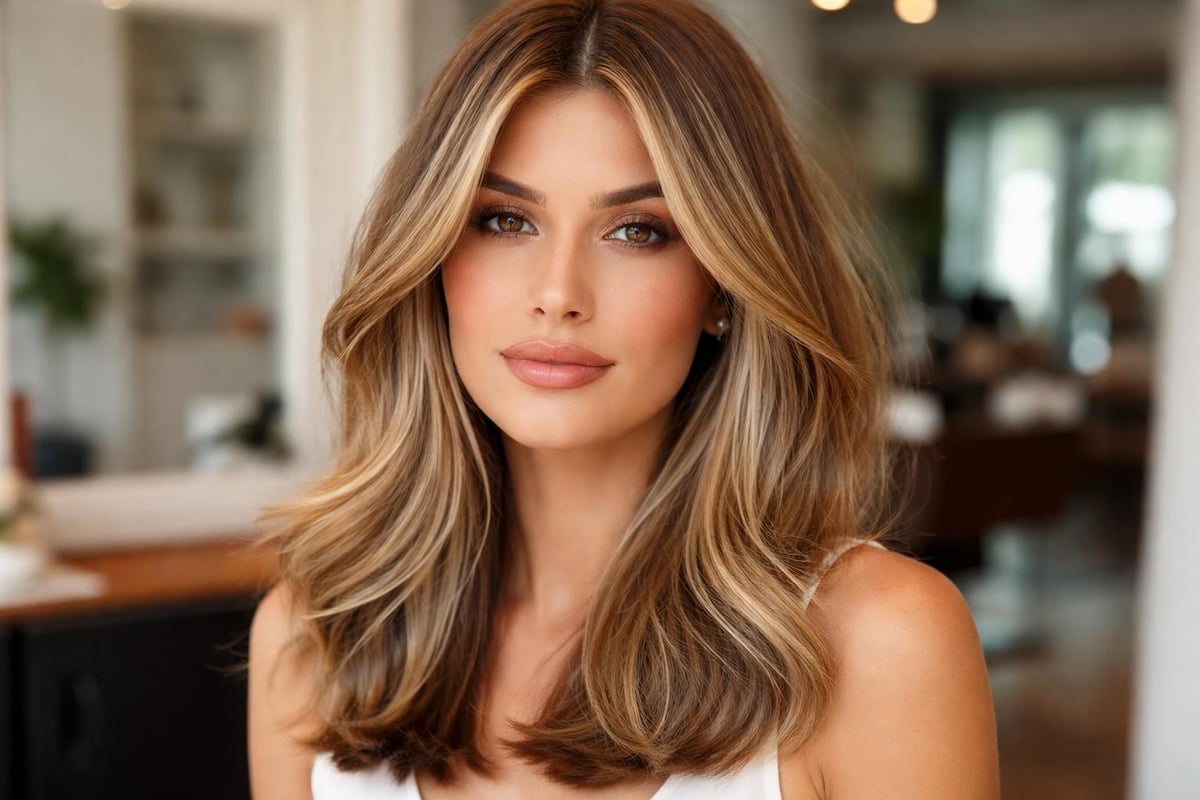
Strategic colouring creates depth and dimension that makes hair appear fuller. Highlights and lowlights break up solid colour, preventing the flat appearance that emphasises scalp visibility.
Lighter shades generally reveal less contrast between hair and scalp, particularly beneficial for those with light skin tones. However, this doesn't mean going platinum-subtle lifts of one or two shades often suffice.
Root shadowing or lowlighting creates the opposite effect for darker hair, minimising the stark contrast of visible scalp. These techniques work particularly well when combined with effective concealment products that match your enhanced colour.
Preventing Further Thinning
Whilst thickening thinning hair addresses current concerns, preventing additional loss proves equally important for maintaining results. Proactive measures protect existing follicles and optimise conditions for sustained growth.
Stress Management and Sleep Quality
Chronic stress elevates cortisol levels, which can trigger telogen effluvium-a condition causing excessive shedding. Stress management techniques including meditation, exercise, and adequate sleep support healthy hair cycling.
Aim for seven to nine hours of quality sleep nightly, as growth hormone secretion peaks during deep sleep phases. This hormone plays crucial roles in tissue repair and cellular regeneration, including within hair follicles.
Protecting Hair From Environmental Damage
UV radiation degrades hair's protein structure, leading to brittleness and breakage. Wear hats during prolonged sun exposure or use leave-in products containing UV filters.
Chlorine and saltwater also damage hair cuticles. Rinse thoroughly after swimming and apply protective oils beforehand to create a barrier. Hard water minerals accumulate over time, so consider installing a shower filter if you live in an area with high mineral content.
Understanding non-hormonal approaches to hair health helps you make informed choices about prevention strategies that align with your preferences and lifestyle.
Combining Approaches for Optimal Results
The most effective strategy for thickening thinning hair often involves multiple complementary approaches. Medical treatments address underlying causes, lifestyle modifications support overall hair health, and cosmetic solutions provide immediate confidence whilst longer-term interventions take effect.
Creating Your Personalised Plan
Begin by identifying your primary goals and timeline. If you need immediate results for an upcoming event, cosmetic concealers deliver instant transformation. For long-term improvement, commit to a medical treatment protocol whilst optimising nutrition and reducing damage.
Track your progress through monthly photographs taken in consistent lighting and from identical angles. Hair growth occurs gradually, making subjective assessment unreliable. Photographic evidence reveals genuine changes that motivate continued adherence to your chosen protocols.
Consider consulting professionals across disciplines:
- Dermatologist: Medical diagnosis and prescription treatments
- Trichologist: Specialised hair and scalp analysis
- Nutritionist: Dietary optimisation for hair health
- Hairstylist: Styling strategies and cosmetic solutions
This multidisciplinary approach addresses thickening thinning hair from all angles, maximising your likelihood of achieving satisfying results. Getting thin hair thicker requires patience and consistency, but the confidence gained makes the effort worthwhile.
Realistic Expectations and Timeline
Medical treatments typically require three to six months before visible improvements emerge, with optimal results appearing around the one-year mark. Natural approaches work even more gradually, though they carry minimal side effects and support overall health.
Cosmetic solutions work immediately but require regular application. Many people use concealers whilst pursuing longer-term treatments, gradually reducing reliance on cosmetic products as regrowth progresses.
Remember that complete restoration to teenage-level thickness rarely occurs, particularly with genetic hair loss. However, even modest improvements significantly impact appearance and confidence. Set realistic goals focused on noticeable enhancement rather than perfect restoration.
Emerging Research and Future Treatments
The field of hair restoration continues advancing rapidly, with numerous promising treatments currently in development or early availability. Recent studies on modified proteins suggest novel mechanisms for combating hair loss at the molecular level.
Stem cell therapy shows potential for regenerating damaged follicles, though accessibility remains limited and costs substantial. JAK inhibitors, originally developed for autoimmune conditions, demonstrate remarkable efficacy for certain types of hair loss, with ongoing research expanding approved applications.
Science-backed herbal approaches continue gaining validation through rigorous research, bridging traditional wisdom and modern scientific understanding. Compounds like saw palmetto show DHT-blocking properties comparable to pharmaceutical options, though standardisation and dosing require further investigation.
Gene therapy represents the frontier of hair restoration, potentially correcting the underlying genetic susceptibilities that predispose individuals to pattern baldness. Whilst these treatments remain years from widespread availability, they offer hope for revolutionary approaches to thickening thinning hair.
Staying Informed About New Developments
The landscape of hair restoration evolves continuously, with new products and treatments emerging regularly. Following reputable sources and consulting qualified professionals ensures you remain informed about genuine breakthroughs whilst avoiding unproven fads.
Clinical trials offer early access to cutting-edge treatments, though participation involves careful consideration of potential risks and benefits. Research trial registries and discuss opportunities with your dermatologist if you're interested in contributing to advancing hair loss science.
Maintaining Results Long-Term
Achieving thicker-looking hair represents just the beginning-maintaining results requires ongoing commitment to whichever approaches you've chosen. Medical treatments typically require indefinite continuation, as discontinuation often results in gradual return to baseline thinning.
Lifestyle modifications become sustainable when integrated naturally into daily routines rather than treated as temporary measures. View nutritional improvements and stress management as permanent enhancements to overall wellbeing that happen to benefit your hair alongside numerous other systems.
Cosmetic concealers fit seamlessly into morning routines, typically adding just minutes to preparation time. Stock adequate supplies to prevent running out during busy periods, and explore travel-sized options for convenience during trips.
Regular reassessment ensures your approach continues meeting your needs. Hair changes over time, and what works initially may require adjustment. Remain flexible and willing to modify your strategy based on results and lifestyle changes.
Thickening thinning hair involves understanding the diverse range of solutions available and selecting approaches that align with your goals, timeline, and lifestyle. Whether you choose medical treatments, natural methods, cosmetic solutions, or a combination thereof, consistency and realistic expectations prove essential for satisfaction. For those seeking immediate confidence whilst pursuing longer-term improvements, RESTRAND LTD offers premium hair thickening sprays that deliver natural-looking results within seconds, helping you feel confident whilst your hair restoration journey progresses.