


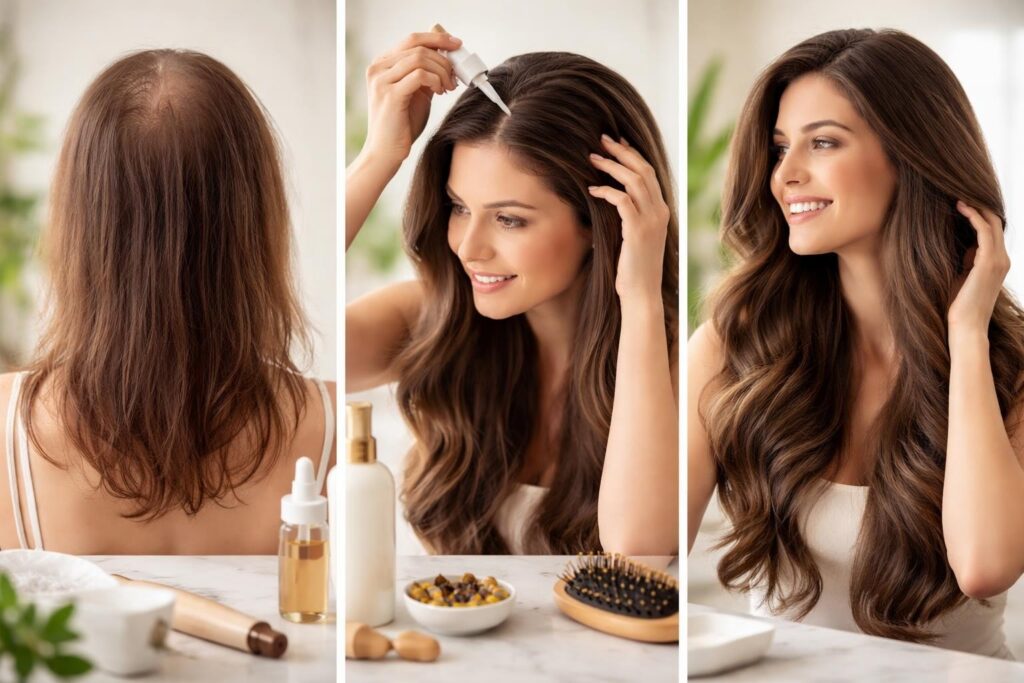
Thinning hair affects millions of people across the UK, impacting confidence and self-esteem in ways that extend far beyond physical appearance. Whether caused by genetics, hormonal changes, stress, or environmental factors, the desire to get thin hair thicker is one of the most common beauty concerns today. Fortunately, 2026 brings more solutions than ever before, ranging from scientifically-backed treatments to innovative cosmetic solutions that deliver instant results. This comprehensive guide explores the most effective methods to achieve thicker, fuller hair whilst addressing the root causes of thinning.
Understanding Why Hair Becomes Thin
Hair thinning doesn't happen overnight. Multiple factors contribute to reduced hair density, and identifying the underlying cause is essential before choosing a treatment approach.
Genetic predisposition remains the primary cause of hair thinning for both men and women. Male pattern baldness affects approximately 50% of men by age 50, whilst female pattern hair loss impacts nearly 40% of women by their sixties. These hereditary conditions typically manifest as gradual thinning across the crown or temples.
Hormonal fluctuations also play a significant role. Thyroid imbalances, menopause, pregnancy, and polycystic ovary syndrome (PCOS) can all trigger hair thinning episodes. Additionally, nutritional deficiencies in iron, vitamin D, biotin, and protein directly impact hair follicle health and growth cycles.
Environmental stressors compound these issues:
- Excessive heat styling and chemical treatments
- Tight hairstyles causing traction alopecia
- Harsh weather conditions and pollution
- Chronic stress elevating cortisol levels
- Certain medications including antidepressants and blood pressure drugs
Understanding your specific triggers allows you to develop a targeted strategy to get thin hair thicker effectively.


Nutritional Approaches for Thicker Hair
The foundation of healthy hair growth begins with proper nutrition. Your hair follicles require specific vitamins, minerals, and proteins to produce strong, thick strands.
Essential Nutrients for Hair Thickness
Dietary strategies play a crucial role in promoting hair thickness, with certain nutrients demonstrating particular efficacy. Biotin, a B-vitamin, supports keratin production and has shown promise in clinical studies for improving hair quality. The recommended daily intake ranges from 30 to 100 micrograms, though therapeutic doses may be higher.
Protein intake directly affects hair structure since strands are composed primarily of keratin, a protein. Consuming adequate lean meats, fish, eggs, legumes, and dairy products ensures your body has sufficient building blocks for hair production.
| Nutrient | Function | Food Sources |
|---|---|---|
| Biotin | Keratin production | Eggs, almonds, sweet potatoes |
| Iron | Oxygen transport to follicles | Red meat, spinach, lentils |
| Vitamin D | Follicle stimulation | Fatty fish, fortified dairy |
| Omega-3 | Scalp health and inflammation | Salmon, walnuts, flaxseed |
| Zinc | Tissue repair and growth | Oysters, beef, pumpkin seeds |
Supplementation may prove beneficial when dietary intake falls short, though consulting a healthcare professional before beginning any supplement regimen is advisable. Blood tests can identify specific deficiencies requiring targeted intervention.
Medical Treatments to Get Thin Hair Thicker
Several clinically-proven treatments address hair thinning at the follicular level, promoting genuine hair growth rather than cosmetic enhancement alone.
Minoxidil and Topical Solutions
Minoxidil remains the gold standard for over-the-counter hair growth treatment. Originally developed as a blood pressure medication, its hair-growth properties emerged as a beneficial side effect. The topical solution works by widening blood vessels around follicles, improving nutrient delivery and extending the growth phase of hair cycles.
Available in 2% and 5% formulations, minoxidil requires consistent application for a minimum of four months before visible results emerge. Most users report gradual thickening, with optimal benefits appearing after twelve months of continuous use.
Prescription Medications
For those seeking more aggressive intervention, prescription options include finasteride (men only) and spironolactone (primarily for women). These medications work by blocking hormones that miniaturise hair follicles. However, potential side effects warrant careful consideration, and ongoing medical supervision is essential.
Advanced Medical Procedures
Modern dermatology offers sophisticated treatments for persistent thinning:
- Platelet-Rich Plasma (PRP) therapy involves injecting concentrated platelets from your own blood into the scalp, stimulating follicle activity
- Microneedling creates controlled micro-injuries that trigger healing responses and enhance product absorption
- Low-level laser therapy (LLLT) uses specific light wavelengths to energise follicles
- Hair transplantation surgically relocates follicles from dense areas to thinning regions
These procedures typically require multiple sessions and significant financial investment, though results can be dramatic for suitable candidates.
Hair Care Practices That Promote Thickness
Daily hair care routines significantly impact perceived thickness and overall hair health. Simple adjustments can yield substantial improvements.
Washing and Conditioning Strategies
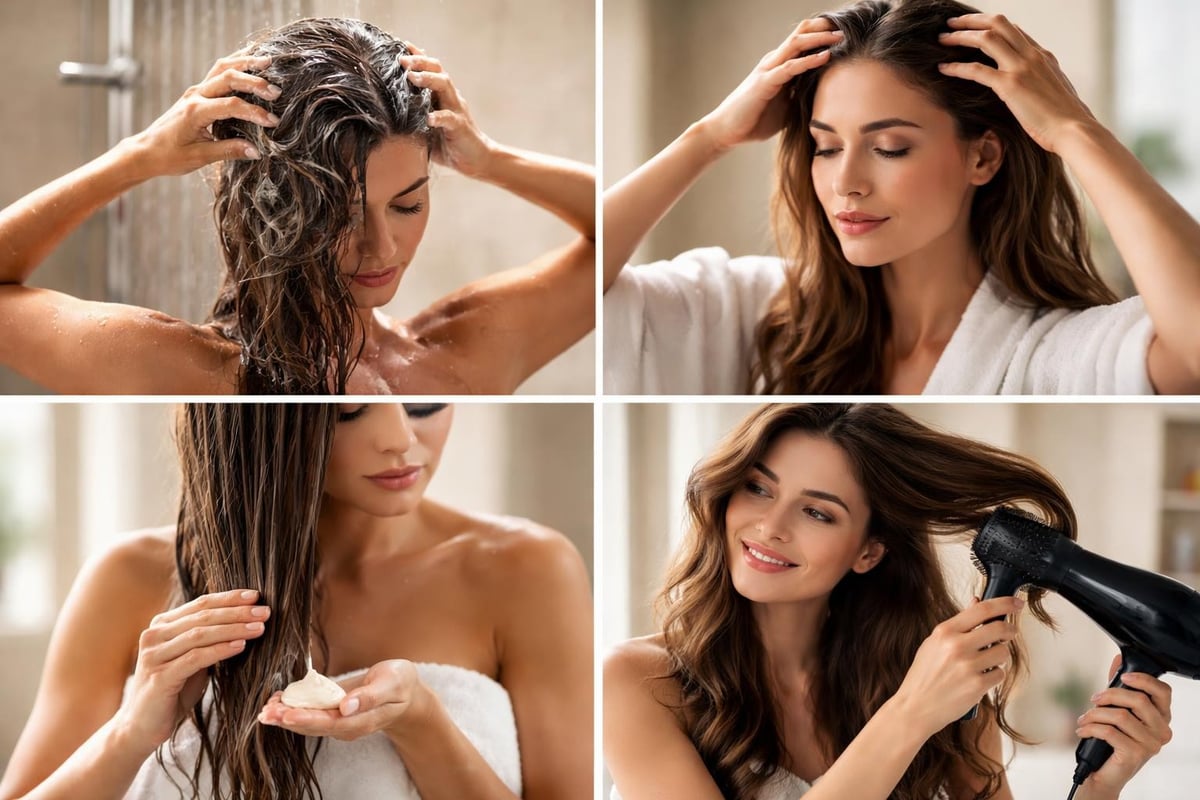
Contrary to popular belief, frequent washing doesn't cause hair loss when performed correctly. However, technique matters considerably. Proper hair washing routines emphasise gentle scalp massage, which stimulates blood flow without causing damage.
Volumising shampoos containing ingredients like hydrolysed wheat protein, panthenol, and biotin coat individual strands, creating temporary thickness. Conversely, heavy conditioners should be applied mid-length to ends only, avoiding the scalp where they can weigh hair down.
Consider these washing best practices:
- Use lukewarm rather than hot water to prevent moisture loss
- Massage shampoo into the scalp for 2-3 minutes to boost circulation
- Apply conditioner sparingly and rinse thoroughly
- Limit washing to 3-4 times weekly unless hair is exceptionally oily
- Incorporate a clarifying shampoo monthly to remove product buildup
Scalp Health Optimisation
Healthy hair grows from a healthy scalp. Regular exfoliation removes dead skin cells and product residue that can clog follicles and impede growth. Gentle exfoliating scrubs or chemical exfoliants containing salicylic acid prove effective when used weekly.
Scalp massage deserves special attention. Research suggests that daily 4-minute scalp massages may increase hair thickness by stretching follicle cells and promoting blood circulation. The practice costs nothing and requires only your fingertips.
Styling Techniques for Fuller Appearance
Whilst treatments work from within, strategic styling creates immediate visual impact, helping you get thin hair thicker in appearance instantly.
Strategic Cutting and Colouring
Expert hairstylists recommend specific cuts to maximise perceived fullness. Blunt cuts create the illusion of density by maintaining uniform length, whilst layering can backfire by removing precious volume. Shorter styles generally appear fuller since weight doesn't pull hair flat against the scalp.
Colour techniques dramatically enhance thickness perception. Highlights and lowlights add dimension that creates depth and movement. Strategically placed lighter pieces catch light, making hair appear more voluminous. Conversely, solid dark colours can emphasise the scalp, making thinning more obvious.
Heat Styling Considerations
Whilst blow-drying at the roots adds lift, excessive heat damages hair structure over time. Minimising hot styling tools preserves hair integrity and prevents breakage that exacerbates thinning.
When heat styling is necessary:
- Always apply heat protectant products first
- Use the lowest effective temperature setting
- Keep tools moving rather than concentrating heat in one spot
- Allow hair to air-dry 70-80% before blow-drying
- Invest in ionic or ceramic tools that distribute heat more evenly
Instant Cosmetic Solutions for Thinning Hair
For those seeking immediate results whilst pursuing long-term solutions, cosmetic products offer transformative benefits. These innovative products don't grow new hair but create remarkably convincing fullness instantly.
Hair Thickening Sprays
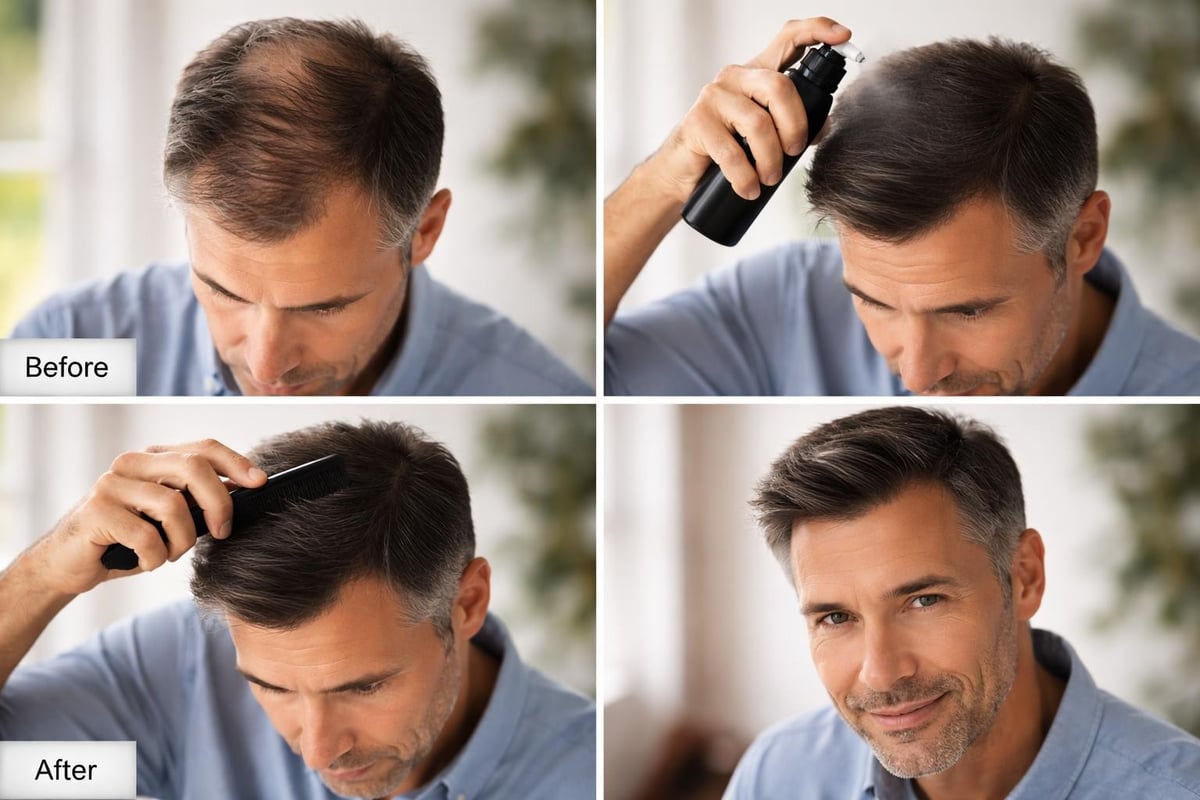
Spray-on hair solutions represent a breakthrough in hair loss concealment technology. These aerosol products contain coloured keratin proteins that electrostatically bind to existing hair, coating each strand and filling gaps between hairs. The result is dramatically increased visual density within seconds.
Application technique determines results quality:
- Ensure hair is completely dry and styled as desired
- Hold the canister 15-20 centimetres from the scalp
- Apply in short bursts using sweeping motions
- Layer gradually rather than saturating in one pass
- Allow 30 seconds to dry before touching
Premium formulations resist humidity, perspiration, and wind whilst remaining undetectable under normal lighting conditions. They wash out completely with regular shampoo, allowing flexibility day-to-day.
Hair Building Fibres
Hair building fibres offer an alternative approach to instant thickness. These microscopic keratin or cotton fibres cling to existing hair through static electricity, creating natural-looking density. Available in multiple shades to match any hair colour, they blend seamlessly when applied correctly.
| Product Type | Application Time | Longevity | Best For |
|---|---|---|---|
| Thickening Spray | 30-60 seconds | Until next wash | Overall thinning, large areas |
| Building Fibres | 2-3 minutes | Until next wash | Targeted spots, crown coverage |
| Volumising Mousse | 5 minutes (with styling) | 8-12 hours | Fine hair needing lift |
| Root Touch-Up | 1-2 minutes | 24-48 hours | Visible scalp along parting |
These products work exceptionally well in combination, allowing customised coverage based on your specific pattern of thinning.
Natural Remedies and Home Treatments
Numerous natural approaches claim to get thin hair thicker, though scientific evidence varies considerably. Some traditional remedies demonstrate genuine merit, whilst others lack robust research support.
Evidence-Based Natural Solutions
Several natural remedies show promise based on preliminary research. Rosemary oil has demonstrated comparable efficacy to 2% minoxidil in one study, promoting hair growth when massaged into the scalp daily. Peppermint oil similarly shows follicle-stimulating properties in animal studies.
Castor oil, rich in ricinoleic acid, has long been touted for hair growth. Whilst direct evidence remains limited, its moisturising properties certainly benefit scalp health. Application involves massaging a small amount into the scalp and leaving overnight before washing.
DIY Treatments Worth Trying
Egg masks provide protein directly to hair shafts, temporarily strengthening and thickening strands. Mix one whole egg with a tablespoon of olive oil, apply to damp hair, leave for 20 minutes, then rinse with cool water to prevent cooking the egg.
Aloe vera gel soothes the scalp whilst proteolytic enzymes potentially remove dead skin cells that clog follicles. Apply pure gel directly to the scalp, leave for an hour, then rinse thoroughly.
Green tea contains EGCG, an antioxidant that may inhibit the hormone responsible for hair loss. Cooled green tea can be used as a final rinse after shampooing or applied directly to the scalp.
Lifestyle Modifications for Hair Health
Beyond products and treatments, fundamental lifestyle factors profoundly influence hair thickness and growth potential.
Stress Management
Chronic stress pushes hair follicles into premature resting phases, causing increased shedding three months later. Telogen effluvium, the medical term for stress-induced hair loss, affects millions experiencing prolonged anxiety, illness, or trauma.
Implementing stress-reduction techniques protects hair health:
- Regular physical exercise releases tension and improves circulation
- Meditation and mindfulness practices lower cortisol levels
- Adequate sleep (7-9 hours nightly) allows cellular repair processes
- Social connection and support networks buffer stress impacts
- Professional counselling for persistent anxiety or depression
Sleep Quality
Hair growth occurs primarily during deep sleep stages when cell division peaks. Poor sleep quality disrupts these processes, potentially slowing growth and reducing strand diameter. Maintaining consistent sleep schedules and creating optimal bedroom environments (cool, dark, quiet) supports healthy hair production.
Physical Activity
Regular exercise benefits hair through multiple mechanisms. Cardiovascular activity improves blood circulation, delivering oxygen and nutrients to follicles more efficiently. Exercise also regulates hormones, reduces inflammation, and manages stress, all factors influencing hair health.
Avoiding Damaging Practices
Equally important to what you should do is understanding what to avoid. Many common practices inadvertently damage hair and worsen thinning.
Chemical Processing Concerns
Frequent colouring, bleaching, perming, or straightening treatments chemically alter hair structure, weakening strands and increasing breakage. Whilst these services needn't be eliminated entirely, spacing them appropriately and using bond-building treatments minimises damage.
Olaplex and similar products repair disulphide bonds broken during chemical processing, though prevention remains superior to remediation. If you regularly colour your hair, consider semi-permanent options that don't penetrate the cortex as deeply.
Mechanical Damage Prevention
Tight hairstyles create constant tension on follicles, potentially causing permanent damage known as traction alopecia. Ponytails, braids, buns, and extensions should vary in placement and tightness. Hairstyles that disguise thinning whilst avoiding tension offer the best compromise.
Aggressive brushing, particularly when hair is wet and vulnerable, causes significant breakage. Wide-toothed combs work better for detangling, starting from ends and working upward. A specialised styling brush designed for thinning hair can distribute products whilst minimising mechanical stress.
When to Seek Professional Help
Whilst many approaches to get thin hair thicker can be self-directed, certain situations warrant professional evaluation. Sudden or severe hair loss, patchy bald spots, scalp irritation, or thinning accompanied by other symptoms require medical assessment.
Dermatologists specialising in hair disorders can perform comprehensive evaluations including:
- Detailed medical and family history analysis
- Physical scalp examination
- Pull tests to assess shedding rates
- Blood tests for nutritional deficiencies, hormonal imbalances, and underlying conditions
- Scalp biopsies in complex cases
- Trichoscopy (magnified scalp imaging)
Early intervention often yields better outcomes, making timely consultation valuable. Many conditions respond well to treatment when addressed promptly, whilst delayed intervention may result in permanent follicle damage.
Combining Approaches for Optimal Results
No single method works universally to get thin hair thicker. The most effective strategy typically combines multiple approaches tailored to individual circumstances, addressing both underlying causes and cosmetic concerns simultaneously.
Creating Your Personalised Plan
Consider structuring your approach across three timeframes:
Immediate (today to 3 months):
- Implement cosmetic solutions for instant confidence boost
- Adjust hair care routine to minimise damage
- Begin nutritional optimisation through diet or supplements
- Schedule professional consultation if appropriate
Medium-term (3 to 12 months):
- Evaluate topical treatments like minoxidil
- Maintain consistent scalp massage and care routines
- Monitor progress through photographs taken in consistent lighting
- Adjust strategies based on results
Long-term (12+ months):
- Consider advanced treatments if other approaches prove insufficient
- Maintain successful interventions as ongoing routine
- Reassess periodically as needs and circumstances evolve
Tracking Progress Effectively
Hair grows approximately 1.25 centimetres monthly, meaning visible improvements require patience. Monthly photographs taken under identical conditions (lighting, styling, camera angle) provide objective progress documentation that perception alone cannot match.
Measuring specific areas with a flexible tape measure or counting hairs in a defined scalp region offers quantitative data. Many people perceive their hair differently day-to-day based on mood and lighting, making objective metrics valuable.
The Psychological Impact of Thinning Hair
The emotional toll of hair thinning extends beyond vanity, affecting self-perception, social confidence, and mental wellbeing. Acknowledging these psychological dimensions validates the importance of seeking solutions.
Research consistently demonstrates correlations between hair loss and reduced quality of life, increased social anxiety, and diminished self-esteem. These effects impact both personal and professional spheres, influencing everything from dating confidence to career advancement perceptions.
Immediate cosmetic solutions serve a crucial psychological function whilst long-term treatments take effect. Feeling confident about your appearance today shouldn't require waiting months for biological changes. Products that instantly enhance thickness allow you to engage fully with life whilst pursuing permanent solutions simultaneously.
Support communities, whether online forums or in-person groups, provide valuable spaces for sharing experiences and coping strategies. Understanding you’re not alone in facing these challenges can significantly improve emotional wellbeing.
The Science of Hair Growth Cycles
Understanding how hair naturally grows helps set realistic expectations for any intervention designed to get thin hair thicker. Each follicle cycles through distinct phases repeatedly throughout life.
The anagen phase (growth) lasts 2-7 years, determining maximum hair length. During this active period, cells in the follicle bulb divide rapidly, producing new hair shaft. The catagen phase (transition) lasts approximately 10 days as growth stops and the follicle shrinks. Finally, the telogen phase (rest) spans 3-4 months before the hair sheds and a new anagen phase begins.
Approximately 85-90% of scalp hairs remain in anagen at any time, with the remainder in catagen or telogen. This distribution explains why losing 50-100 hairs daily is completely normal. Thinning occurs when this balance shifts, either through follicles spending less time in anagen, producing finer shafts during growth, or excessive follicles entering telogen simultaneously.
Treatment efficacy depends partly on follicle status. Dormant follicles may be stimulated to re-enter anagen, whilst miniaturised follicles producing fine vellus hairs might be encouraged to produce thicker terminal hairs. However, completely dead follicles cannot be revived, emphasising the importance of early intervention.
Product Selection Considerations
The hair care market overflows with products promising miraculous thickness, making informed selection challenging. Understanding ingredient science and marketing claims helps navigate options effectively.
Ingredient Efficacy
Scientifically-backed volumising ingredients include panthenol (pro-vitamin B5), which swells hair shafts by attracting and retaining moisture. Hydrolysed proteins (wheat, soy, silk) temporarily bind to damaged areas in the cuticle, filling gaps and increasing diameter.
Caffeine-infused products show promise based on research suggesting caffeine stimulates follicles and counteracts testosterone effects on hair growth. Whilst topical application differs from consumption, some studies support scalp benefits.
Niacinamide (vitamin B3) improves scalp circulation and may enhance keratin production. Biotin, whilst popular, demonstrates clearer benefits when consumed orally rather than applied topically, as the molecules struggle to penetrate the scalp barrier.
Avoiding Marketing Hype
Scepticism serves consumers well in the hair care industry. Claims like "clinically proven" warrant scrutiny regarding study design, sample size, and funding sources. Independent research provides more reliable evidence than manufacturer-sponsored studies.
Realistic expectations matter. No shampoo alone will transform severely thinning hair into luxurious thickness, but quality products support overall hair health as part of comprehensive approaches.
Achieving thicker, fuller hair requires understanding your unique situation and implementing appropriate solutions, from nutritional improvements and medical treatments to strategic styling and instant cosmetic enhancement. Whether you're just beginning to notice thinning or have struggled with it for years, effective options exist across every timeframe and budget. For immediate, confidence-boosting results whilst pursuing long-term solutions, RESTRAND LTD offers premium hair thickening sprays and concealers that deliver natural-looking fullness in seconds, helping you look and feel your best every single day.