Tired of battling limp, lifeless hair that refuses to hold volume? If you often struggle to make fine hair look thicker, you are certainly not alone. Many people face daily challenges trying to add fullness and body to delicate strands.
The good news is, 2026 brings a wave of innovative techniques, advanced products, and professional styling strategies designed to transform fine hair. Experts are now sharing smarter ways to make fine hair look thicker, making it easier than ever to achieve the appearance of dense, voluminous locks.
In this article, you will discover seven proven methods to make fine hair look thicker. From breakthrough haircare routines to clever styling secrets and the latest volumising formulas, each tip is crafted to help you enjoy the thicker-looking hair you have always wanted. Ready to explore what truly works? Let us begin.
Understanding Fine Hair: Causes and Challenges
Fine hair has unique characteristics that affect its appearance, health, and how easily you can make fine hair look thicker. Understanding what sets fine hair apart is the first step to finding effective solutions. Let’s break down the fundamentals and see why fine hair presents distinctive challenges.
What Defines Fine Hair?
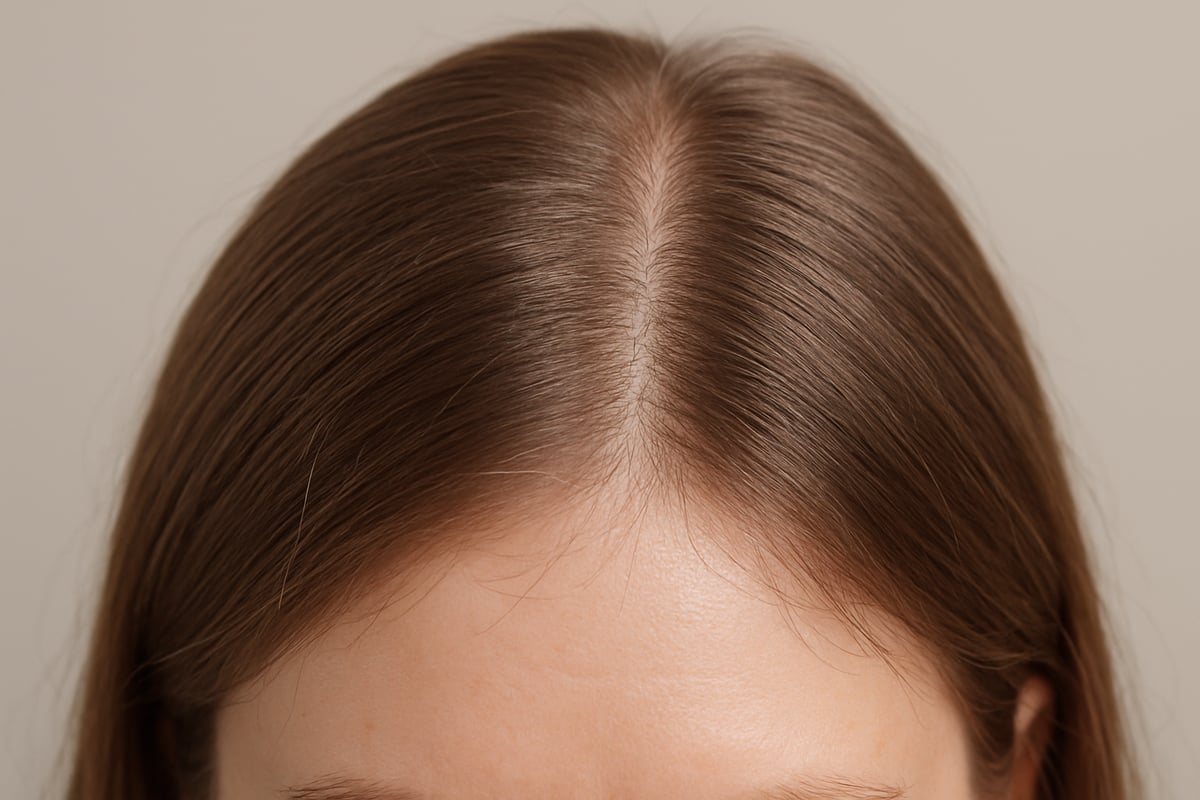
Hair is classified as "fine" when each strand has a smaller diameter than average, making it feel soft and silky but often lacking body. Density refers to how many hairs grow per square centimetre, while diameter is about the thickness of each strand. People often confuse fine hair with thin hair, but thin hair means fewer strands overall, not necessarily finer ones.
A common myth is that fine hair cannot be strong or healthy. In reality, you can make fine hair look thicker with the right approach. Another misconception is that all fine hair is fragile, but with proper care, it can be resilient and vibrant.
Why Fine Hair Looks Flat
Fine hair can appear flat because each strand lacks the internal structure needed for natural lift. Oils from the scalp travel quickly along these slender strands, weighing them down and reducing volume. Environmental factors such as humidity and pollution, along with genetics, also play a role in how easily you can make fine hair look thicker.
For many, the challenges of flatness are compounded by underlying causes like hormonal changes or stress. If you are curious about the science behind hair thinning and what you can do, Hair loss and hair thinning insights offers an in-depth look at these factors.
Common Struggles for Fine-Haired Individuals
People with fine hair often find it difficult to maintain volume throughout the day. Styles may collapse quickly, and scalp visibility increases, especially around the parting. These issues can make fine hair look limp, but there are targeted solutions to make fine hair look thicker.
Another common struggle is increased susceptibility to breakage. Fine strands can be more delicate, so brushing, heat styling, or even certain hair ties may cause damage. Managing these challenges is key to achieving fuller-looking hair.
The Science Behind Volume and Thickness
The structure of the hair cuticle greatly influences fullness. Fine hair tends to have a smoother cuticle, which reflects light well but does not provide much lift. Hair follicles, growth cycles, and scalp health all determine how easily you can make fine hair look thicker.
Age, hormones, and overall health impact both the density and diameter of your hair. As you age, hair growth may slow, and hormonal shifts can trigger thinning. By supporting your follicles and protecting your cuticle, you give fine hair the best chance to appear thicker and healthier.
7 Ways to Make Fine Hair Look Thicker in 2026
Struggling to make fine hair look thicker in 2026? You are not alone. With the right strategies, even the most delicate strands can appear fuller and more voluminous. Explore seven expert-approved methods designed to transform limp locks into lush, full-bodied hair.
1. Get the Right Haircut for Instant Volume
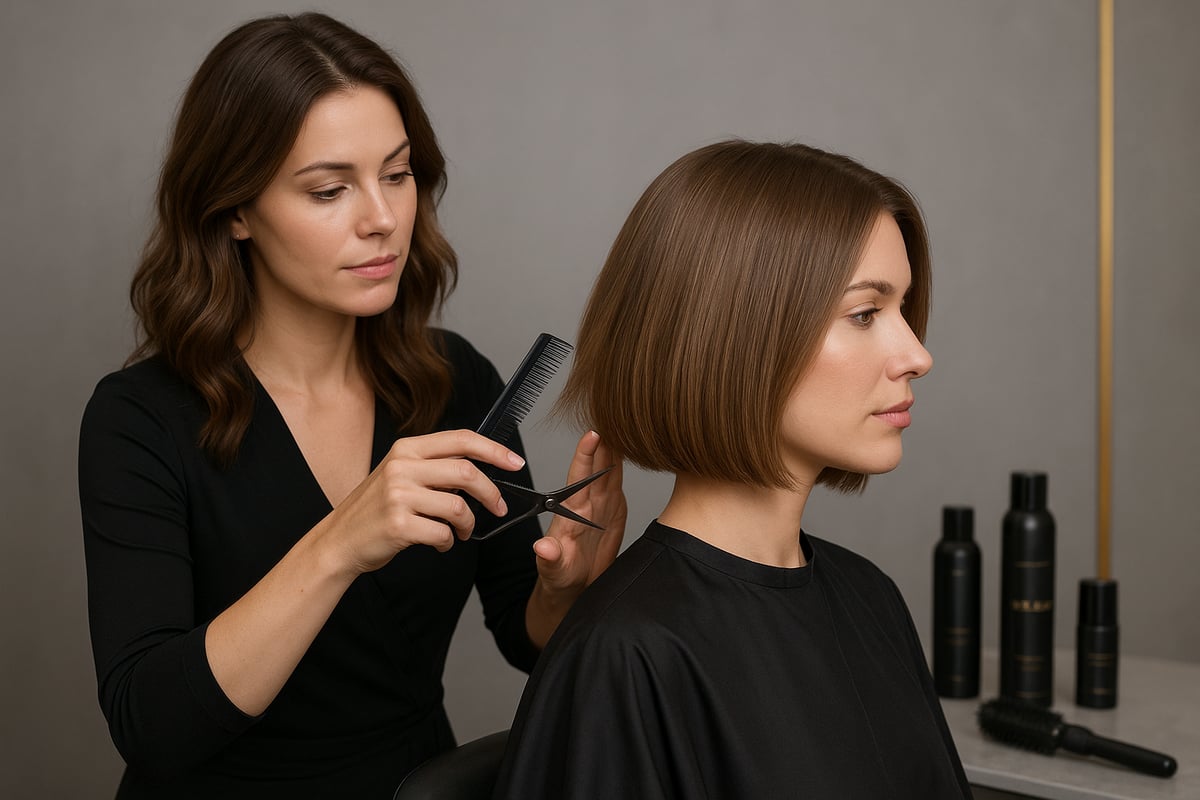
The foundation to make fine hair look thicker often starts with the right haircut. Shape matters more than length for fine hair, as precise cuts can create the illusion of density and bounce.
Stylists recommend blunt bobs, layered French bobs, stacked bobs, and shaggy pixies. These cuts emphasise structure and give strands more support. For example, a stacked bob adds architectural lift at the nape, while a blunt mini-bob creates a dense, defined outline that instantly helps make fine hair look thicker.
Data shows that the correct cut can boost perceived volume by up to 40 percent. The secret lies in a strong baseline or carefully placed layers that avoid thinning the hair too much. Over-thinning or excessive layering can actually make fine hair appear even flatter, so always consult a stylist who specialises in cutting fine hair.
Regular trims every five to seven weeks maintain the shape and prevent split ends, which can make fine hair look thinner. Avoid razoring or feathering, which removes vital bulk and structure.
Summary Table: Best Cuts for Fine Hair
| Style | Volume Effect | Maintenance |
|---|---|---|
| Blunt Bob | High | 5-7 weeks |
| Stacked Bob | Maximum | 5-7 weeks |
| Layered French Bob | Moderate | 5-7 weeks |
| Shaggy Pixie | Moderate/High | 4-6 weeks |
For anyone looking to make fine hair look thicker, starting with a tailored, volumising haircut is essential.
2. Use Volumising and Thickening Hair Products
In 2026, product innovation has made it easier than ever to make fine hair look thicker. Advances in haircare have led to peptide-rich shampoos, lightweight mousses, and root-lifting sprays that add instant body without weighing hair down.
When shopping for products, look for ingredients like biotin, keratin, panthenol, and modern polymers. These create tiny air pockets between strands, resulting in perceptibly thicker hair. For best results, focus application at the roots and avoid heavy conditioners on the scalp, which can flatten fine hair.
Layering products is also effective. Start with a volumising mousse on damp hair, then add a root spray before blow-drying. For an extra boost, finish with a texture spray or dry shampoo. Case studies show that users who adopt this multi-step approach often see a visible increase in fullness within weeks.
If you are searching for a product that delivers real results, consider reading a review of a thickening spray for thinning hair to find the best options for your needs.
Caution is key. Avoid silicones and heavy oils, as they can cause build-up and make fine hair look thinner. Instead, opt for lightweight, residue-free formulas to maintain movement and body.
3. Master Blow-Drying and Heat Styling for Lift
Blow-drying and heat styling remain powerful tools to make fine hair look thicker, especially with the smart technology available in 2026. The right techniques can transform limp strands into voluminous, bouncy hair.
Begin by blow-drying your hair upside down. This lifts the roots and maximises volume at the crown. Use a round brush to smooth and shape, then finish with a cool shot to set the style. For extra body, crimp the underlayers or use a curling wand to add soft, strategic waves.
Modern tools, such as smart dryers with ion technology, help reduce frizz and protect delicate hair. These devices evenly distribute heat, preventing damage while enhancing fullness.
Step-by-Step Styling Routine:
- Towel dry hair and apply a heat protectant spray.
- Flip hair upside down and rough-dry until 80 percent dry.
- Section hair and use a round brush to lift at the roots.
- Blast with a cool shot to lock in volume.
- Finish with a texture spray for added hold.
Professional blowouts can deliver dramatic before-and-after results, with clients often reporting hair that looks and feels twice as thick. Always use heat protection sprays or serums to shield fine strands from damage.
By mastering these modern blow-drying and heat styling techniques, you can reliably make fine hair look thicker every day.
4. Embrace Colour and Texture Treatments for Depth
Colour and texture treatments are transformative for those aiming to make fine hair look thicker. Highlights and lowlights create visual dimension, tricking the eye into seeing more volume and depth.
Gentle perms and wave treatments are now safer and more effective, thanks to ammonia-free formulas and digital perm technology in 2026. These methods add subtle body and movement without causing excessive damage.
When considering colour, consult with a professional colourist. Techniques like babylights or multi-tonal balayage are popular for fine hair, as they add layers of light and shadow, making the hair appear denser. Statistics reveal that 60 percent of fine-haired salon clients now opt for texture-enhancing colour to boost fullness.
To maintain hair health, always use bond-builders and nourishing masks post-treatment. These products protect cuticle integrity, preventing breakage and keeping hair resilient.
If you want to make fine hair look thicker, embrace colour and texture treatments that add both dimension and lift.
5. Optimise Your Haircare Routine for Fullness
A well-planned haircare routine can make fine hair look thicker by promoting scalp health and reducing oil build-up. Start by choosing a gentle, peptide-enriched shampoo and limit washing to every other day to prevent your hair from becoming greasy and flat.
Scalp care is critical. Use exfoliating scrubs and lightweight serums to remove dead skin and boost circulation. Place conditioner only from mid-lengths to ends, never at the roots, to avoid weighing hair down.
Weekly volumising masks and regular scalp massages can invigorate follicles and encourage stronger growth. Switching to a silk pillowcase helps reduce overnight flattening and minimises breakage.
Sample 10-Minute Volume Routine:
- Cleanse with volumising shampoo
- Apply scalp serum
- Condition ends only
- Use a leave-in volumising spray
- Quick root massage
Avoid product overload, as residue can dull hair and reduce lift. By refining your daily habits, you can consistently make fine hair look thicker with minimal effort.
6. Style Smarter: Accessories and Day-to-Night Tricks
Styling tricks and the right accessories are powerful tools to make fine hair look thicker without extra effort. Root clips and velcro rollers add instant lift at the crown, giving the illusion of more hair.
Changing your parting, such as using a zig-zag or deep side part, immediately creates volume and disguises thinning areas. Mid-day, refresh roots with dry shampoo to absorb oil and maintain body.
Choose hair ties and clips designed to minimise breakage. Silk scrunchies and gentle grips are ideal. Headbands, scarves, and statement accessories not only protect hair but also add visual thickness.
Quick Updo Ideas:
- Loose top knots for fullness
- Messy buns using volumising powder
- Braided crowns for width
At night, loosely braid or bun your hair to set overnight waves. This simple prep ensures you wake up to hair that looks fuller and more textured.
With these smart styling strategies, you can make fine hair look thicker around the clock.
7. Consider Instant Hair Concealers and Fibres
For those seeking immediate results, modern hair concealers and fibres are game-changers to make fine hair look thicker. These products use advanced electrostatic fibres and colour-matching technology to blend seamlessly with your natural hair.
Application is straightforward. Simply shake or spray the fibres onto thinning areas, then gently pat to set. The latest formulas are sweat-resistant, long-lasting, and suitable for every hair colour.
Real-life testimonials highlight newfound confidence after using these solutions. Many users report that their scalp is less visible and their hair appears significantly denser. The results are natural and undetectable, making it easy to boost fullness for special occasions or daily wear.
When choosing a concealer, select products that are non-comedogenic and gentle on the scalp. Avoid anything that may clog follicles or cause irritation.
Concealers vs. Permanent Solutions Table
| Solution Type | Speed of Results | Longevity | Ideal For |
|---|---|---|---|
| Instant Concealer | Immediate | 1 day | Events, quick fixes |
| Permanent (e.g. PRP) | Weeks-Months | Long-term | Significant thinning |
If you want to make fine hair look thicker quickly and discreetly, consider adding modern fibres and concealers to your toolkit.
Pro Tips from Stylists: What Really Works for Fine Hair in 2026
Achieving the look of fuller, more voluminous hair is no longer a mystery. Leading stylists in 2026 have refined their strategies to make fine hair look thicker, focusing on precision, innovation, and personalisation. Whether you are considering a new cut, reviewing your products, or seeking bespoke advice, these tips reflect the latest expertise.
Insider Advice on Volume-Boosting Cuts and Colours
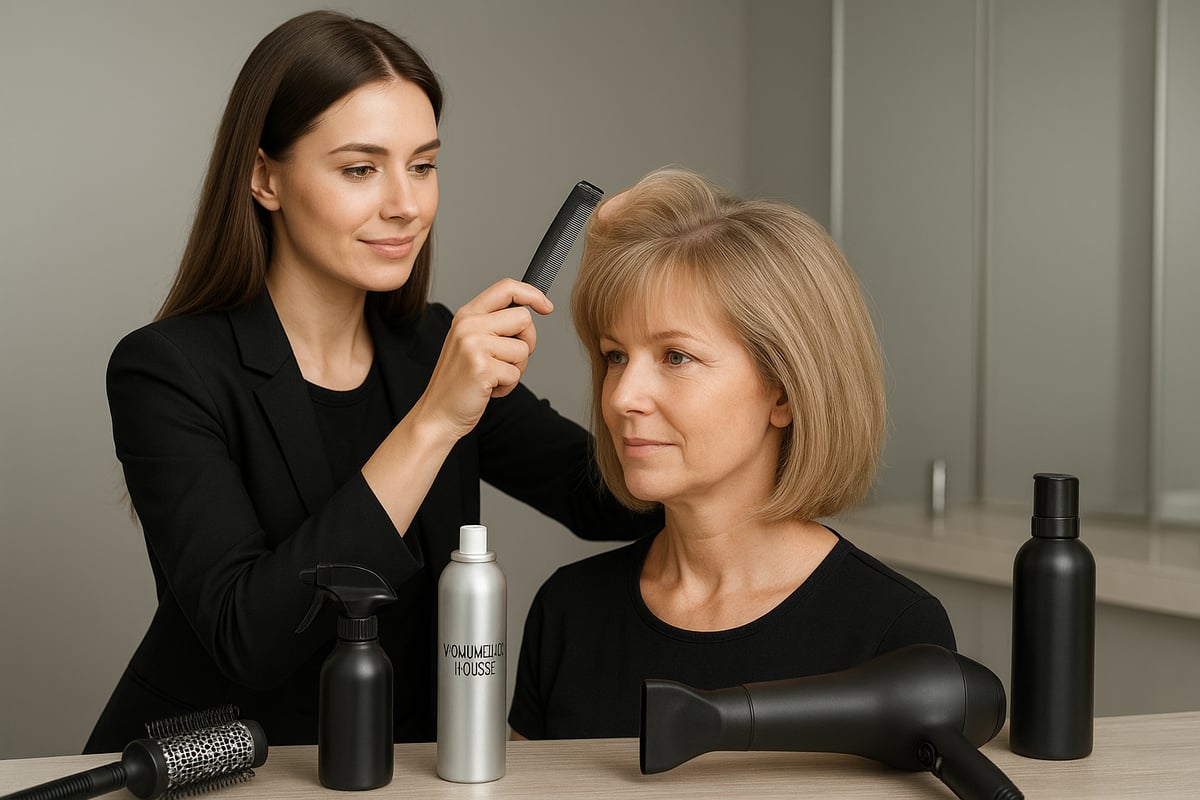
When it comes to salon secrets that truly make fine hair look thicker, stylists recommend prioritising the shape of your cut and the placement of colour. Precision styles such as blunt bobs, micro-layers, and invisible fringes are trending, as they add density and movement without sacrificing structure. According to UK professionals, bespoke toning and subtle highlights can further amplify the illusion of depth. For the latest inspiration, explore 2026 haircut trends for volume and consult your stylist for a tailored approach that suits your hair texture. These expert strategies are designed to make fine hair look thicker, regardless of your starting point.
Must-Have Products and Tools for 2026
The right products and tools can make fine hair look thicker almost instantly. Stylists suggest building a minimalist toolkit that includes peptide-rich volumising shampoos, root-lifting mousses, and lightweight sprays. New-generation smart dryers and round brushes are also essential for maximising lift at the roots. Many top-rated volumising products have been recognised for their performance and are now staples in professional salons. Investing in these tools will help you to make fine hair look thicker while maintaining manageability and shine. Always prioritise products that are formulated for fine hair to avoid any unwanted heaviness.
Common Mistakes to Avoid
To make fine hair look thicker, it is crucial to avoid common pitfalls that can flatten or damage delicate strands. Over-conditioning, especially at the roots, can weigh hair down and reduce volume. Using heavy oils or skipping regular trims often leads to limp, lifeless styles. Stylists advise against excessive use of styling products, which can cause build-up and make fine hair look thinner. Instead, opt for lightweight, residue-free formulas and maintain a consistent trimming schedule. If you notice your hair looking flatter, reassess your routine and consult a professional for corrective steps to restore fullness.
Personalised Solutions for Every Hair Type
There is no one-size-fits-all formula to make fine hair look thicker. Straight, wavy, and curly fine hair each have unique needs, and expert advice is key to successful styling. For straight hair, volumising root sprays and precise partings are recommended. Wavy fine hair benefits from texture-enhancing products and diffusing techniques, while curly fine hair thrives with gentle layering and moisture balance. If you experience persistent thinning, consider consulting a trichologist or haircare specialist for a bespoke plan. Customising your approach ensures you make fine hair look thicker in a way that complements your natural texture and lifestyle.
FAQs: Thickening Fine Hair in 2026
Are you searching for expert answers on how to make fine hair look thicker? Here we address the most common questions, backed by the latest research and stylist insights. Get clarity on what really works for fuller-looking hair in 2026.
Can Fine Hair Really Look Thicker?
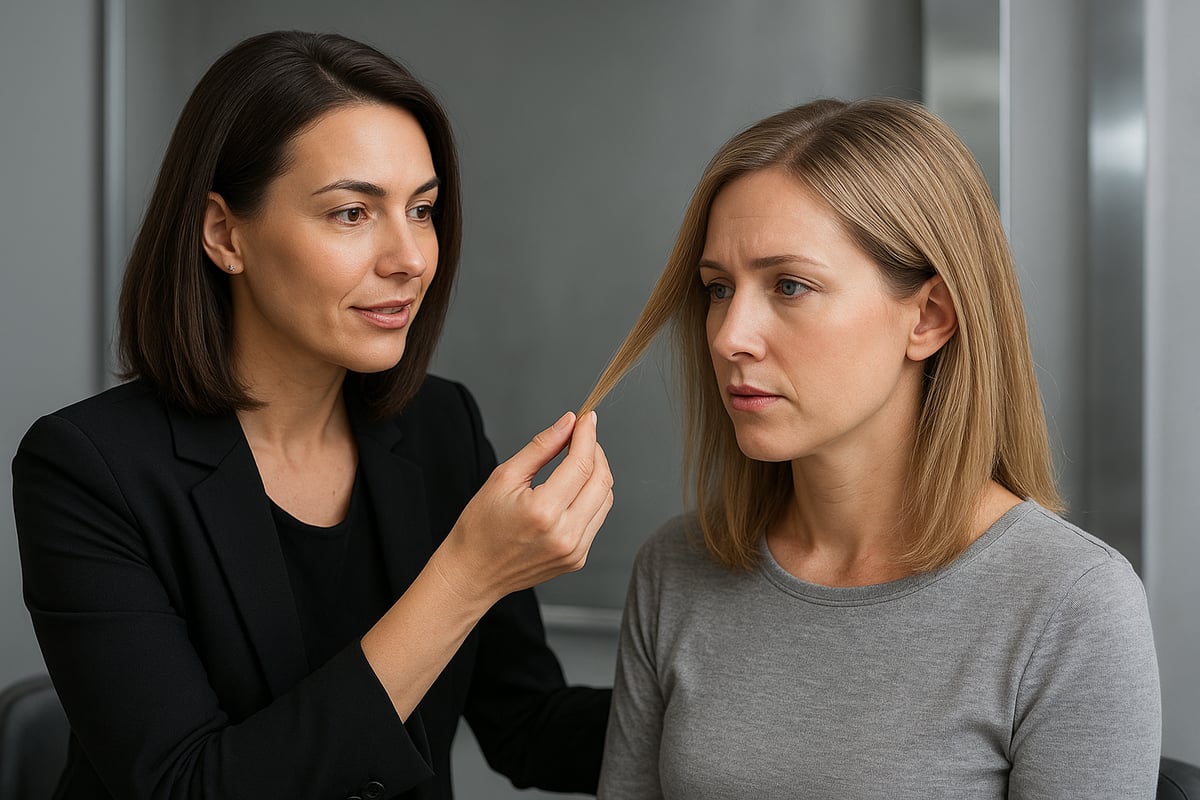
Yes, it is possible to make fine hair look thicker with modern techniques and products. While the actual diameter of each strand does not change, volumising strategies can help hair appear fuller and denser. Scientific advances in 2026 focus on increasing the space between strands, boosting lift at the roots, and improving overall hair health. So, with the right approach, you can expect noticeably thicker-looking results.
How Often Should I Cut Fine Hair?
To make fine hair look thicker, regular trims are essential. Most stylists recommend a cut every 5 to 7 weeks, which helps maintain shape and prevent split ends that can make fine hair appear thin. If you notice your style falling flat or losing structure, it is time for a refresh. Consistent maintenance supports volume and keeps your hair looking its best.
Are Certain Ingredients Bad for Fine Hair?
Some ingredients can weigh down fine hair or cause build-up. To make fine hair look thicker, avoid heavy silicones, sulphates, and butters. Instead, opt for lightweight, nourishing alternatives. The table below highlights what to avoid and safer options:
| Avoid | Choose Instead |
|---|---|
| Silicones | Peptides, Polymers |
| Sulphates | Gentle surfactants |
| Heavy Butters/Oils | Panthenol, Biotin |
For more details on how spray-on hair products and fibres can help, visit What is spray-on hair?.
What Hairstyles Should I Avoid with Fine Hair?
Some styles can make fine hair look thinner. Avoid heavy blunt fringes, long unlayered cuts, and styles that pull hair tightly. These can emphasise scalp visibility and decrease volume. Instead, choose layered bobs, textured pixies, or soft waves that help make fine hair look thicker. Consult a stylist for a shape that best suits your texture and density.
Can Diet and Supplements Help?
Nutrition plays a key role in hair health. While supplements alone cannot make fine hair look thicker overnight, they support growth and strength over time. Biotin, collagen, and a balanced diet rich in vitamins and minerals are linked to better hair quality. Always consult a healthcare professional before starting new supplements to ensure they are right for you.
Real-Life Transformations: Before and After Fine Hair Makeovers
Discovering real-life results can be the ultimate motivation. Countless individuals have managed to make fine hair look thicker by combining expert-approved methods with consistency and the right products. Their journeys offer valuable insights and inspiration for anyone seeking visible change.
Inspiring Case Studies from 2026
Meet Sophie, a London-based professional who struggled for years to make fine hair look thicker. After switching to a blunt bob and adopting a peptide-rich volumising routine, she saw a dramatic difference in only six weeks. Her before and after photos reveal a denser hairline and bouncy volume.
Another success story comes from Raj, who opted for multi-tonal highlights and root-lifting sprays. He noticed immediate improvement, thanks to the dimensional colour and a new root concealer. For those considering instant results, many have found best hair loss concealer options helpful in disguising thinning areas and boosting confidence.
These transformations prove that a strategic approach can truly make fine hair look thicker.
Lessons Learned and Best Practices
Through their journeys, successful individuals identified essential lessons:
| Best Practice | Common Mistake |
|---|---|
| Regular trims for fullness | Overusing heavy products |
| Layering with care | Skipping scalp treatments |
| Embracing modern tech | Ignoring root volume |
One key insight is that using the latest technology, such as L'Oréal's 2026 infrared tools, can enhance volume and hair health. Consistency matters, as does adapting routines to individual needs. Ultimately, patience and the right support make fine hair look thicker over time.
How to Start Your Own Fine Hair Journey
Ready to make fine hair look thicker? Begin by consulting a stylist for a tailored cut and ask about volumising techniques. Create a daily routine with lightweight, peptide-rich products, focusing on root lift and scalp care.
Try before and after photos to track your progress. Explore innovative solutions and do not hesitate to experiment with texture, colour, or instant fibres for immediate results. Above all, stay consistent and celebrate every improvement as you make fine hair look thicker.
If you’re ready to put these expert tips into action and finally achieve that fuller, healthier look for your fine hair, you’re not alone. We’ve explored how the right cut, smart styling, and advanced products can make a world of difference—but sometimes, a little extra help goes a long way. If you’d like to discover an instant solution trusted by thousands across the UK, you can explore hair thickening sprays and concealers made specifically for visible results and confidence. Why not Find Out More and see what’s possible for your hair in 2026?