Understanding alopecia for hair requires recognising that this condition affects millions of people across the United Kingdom and worldwide, impacting not only physical appearance but also emotional wellbeing and confidence. Whether you're experiencing your first signs of hair loss or seeking comprehensive information about managing established alopecia, knowing the facts about causes, types, and available solutions empowers you to make informed decisions about your hair care journey. This guide explores the medical understanding of alopecia whilst highlighting practical approaches that can help restore the appearance of fuller, thicker hair.
What Is Alopecia for Hair Loss
Alopecia represents a medical term describing hair loss from the scalp or body, ranging from small patches to complete baldness. The condition manifests differently across individuals, with some experiencing temporary hair loss whilst others face long-term challenges.
The term 'alopecia for hair' specifically refers to the various forms of hair loss that affect the hair follicles' ability to produce and maintain healthy hair growth. Hair follicles are miniature organs within the skin that generate hair shafts through a complex biological process involving cell division, protein synthesis, and regulated growth cycles.
The Hair Growth Cycle and Alopecia
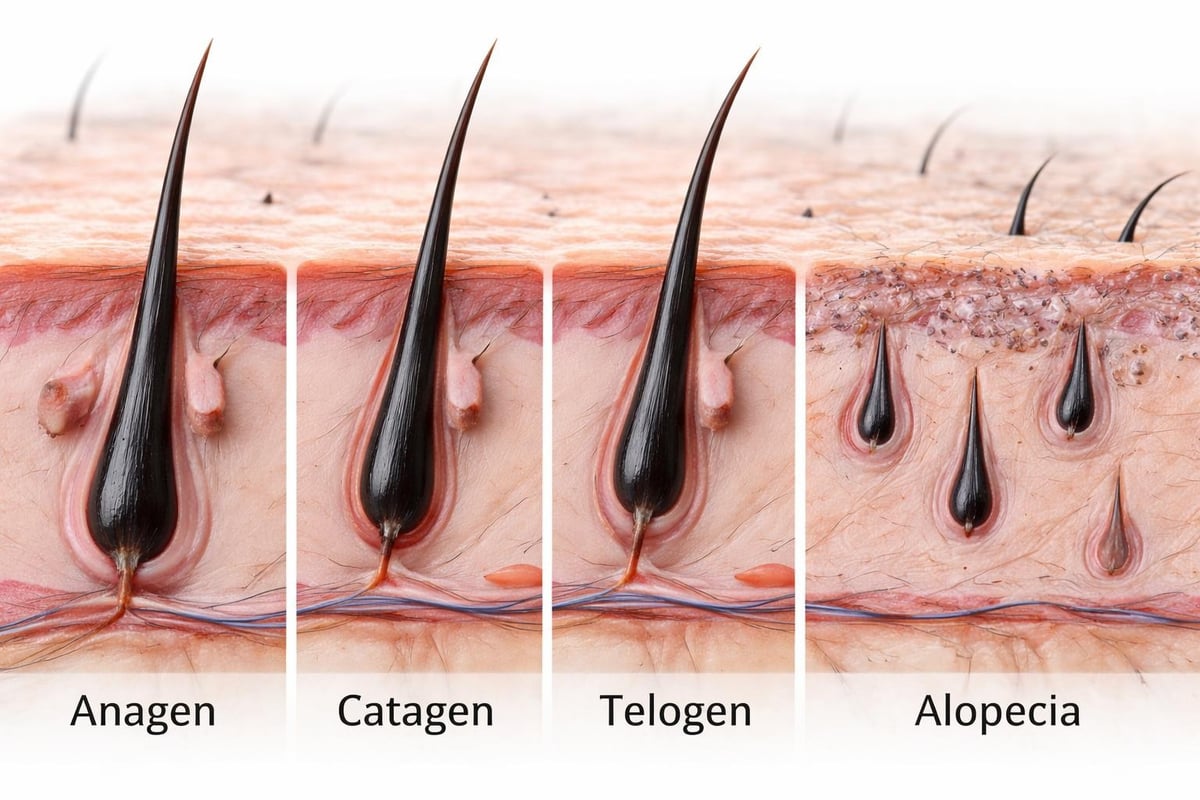
Understanding how alopecia impacts hair requires knowledge of the natural hair growth cycle:
- Anagen phase: Active growth period lasting 2-7 years
- Catagen phase: Transitional stage lasting approximately 2-3 weeks
- Telogen phase: Resting period of 2-4 months before shedding
When alopecia disrupts this cycle, hair follicles may enter premature resting phases, miniaturise, or cease production entirely. The various types of hair loss each interact with this cycle differently, creating distinct patterns and progression rates.
Primary Types of Alopecia for Hair
Different classifications of alopecia for hair present unique characteristics, causes, and progression patterns. Recognising which type affects you proves essential for selecting appropriate management strategies.
Alopecia Areata
This autoimmune condition causes the body's immune system to mistakenly attack hair follicles, resulting in round, smooth patches of hair loss. Alopecia areata typically appears suddenly and can affect any hair-bearing area.
Key characteristics include:
- Coin-sized bald patches on the scalp
- Complete hair loss in affected areas
- Possible nail changes (pitting or ridging)
- Unpredictable regrowth patterns
According to the American Academy of Dermatology’s research on new treatments, JAK inhibitors have shown promising results in restoring hair growth for many patients with this condition.
Androgenetic Alopecia
The most common form of hair loss, androgenetic alopecia affects both men and women through a hereditary sensitivity to dihydrotestosterone (DHT). This hormone causes progressive follicle miniaturisation over time.
| Gender | Pattern | Typical Age of Onset |
|---|---|---|
| Male | Receding hairline, crown thinning | 20s-30s |
| Female | Diffuse thinning at parting | 40s-50s |
| Both | Gradual progression | Varies |
Telogen Effluvium
Triggered by significant physical or emotional stress, telogen effluvium pushes large numbers of hair follicles into the resting phase simultaneously. This results in noticeable shedding several months after the triggering event.
Common triggers encompass:
- Major surgery or severe illness
- Childbirth or hormonal changes
- Extreme weight loss or nutritional deficiencies
- Psychological stress or trauma
- Certain medications or treatments
Traction Alopecia
Repeated pulling or tension on hair follicles causes this preventable form of hair loss. Tight hairstyles, extensions, or chemical treatments can damage follicles permanently if continued over extended periods.
Causes and Contributing Factors
Understanding alopecia for hair requires examining the multifaceted causes behind follicle dysfunction. Whilst genetics plays a significant role in many cases, environmental and lifestyle factors contribute substantially.
Genetic Predisposition
Family history remains the strongest predictor for androgenetic alopecia, with inheritance patterns affecting both the likelihood and severity of hair loss. Research indicates that multiple genes influence hair follicle sensitivity to hormones and growth factors.
Immune System Dysfunction
Alopecia areata develops when the immune system targets hair follicles as foreign invaders. The exact trigger remains unclear, though stress, viral infections, and genetic factors may contribute to onset.

Hormonal Imbalances
Thyroid disorders, polycystic ovary syndrome (PCOS), and menopause can disrupt the delicate hormonal balance required for healthy hair growth. These conditions often manifest through diffuse thinning rather than distinct patches.
Nutritional Deficiencies
Insufficient intake of essential nutrients compromises hair follicle function:
- Iron: Critical for oxygen transport to follicles
- Protein: Building blocks for hair shaft structure
- Biotin: Supports keratin production
- Vitamin D: Regulates follicle cycling
- Zinc: Essential for tissue repair and growth
The relationship between hair loss and nutrition demonstrates how dietary choices directly impact hair health and appearance.
Modern Treatment Approaches
Managing alopecia for hair involves various medical and cosmetic interventions, each offering distinct benefits and considerations. Treatment selection depends on the type, severity, and individual circumstances.
Medical Interventions
Prescription medications form the foundation of many treatment protocols. Minoxidil (topical solution) and finasteride (oral medication for men) represent the most widely prescribed options for androgenetic alopecia.
Recent advances highlighted by UC Davis Health’s dermatology department include:
- JAK inhibitors for alopecia areata
- Low-level laser therapy devices
- Platelet-rich plasma (PRP) injections
- Microneedling combined with topical treatments
- Hormone regulation therapies
Intralesional Corticosteroid Injections
For alopecia areata, dermatologists may administer corticosteroid injections directly into affected areas. This treatment suppresses local immune activity, potentially stimulating regrowth within treated patches.
Cosmetic Concealment Solutions
Whilst medical treatments work to address underlying causes, cosmetic products provide immediate visual improvement. Hair thickening sprays represent an increasingly popular solution for instantly creating the appearance of fuller hair.
These products work by:
- Adhering microscopic fibres to existing hair shafts
- Creating volume and density through electrostatic bonding
- Blending seamlessly with natural hair colour
- Resisting wind, rain, and perspiration
The psychological benefits of seeing immediate results cannot be overstated, particularly whilst waiting for medical treatments to take effect.
Evidence-Based Treatment Effectiveness
The Cochrane review on alopecia areata treatments provides valuable insights into treatment efficacy and safety profiles. Understanding realistic expectations helps patients make informed decisions about pursuing specific interventions.
| Treatment Type | Success Rate | Timeline | Side Effect Risk |
|---|---|---|---|
| Topical Minoxidil | 40-60% | 4-6 months | Low |
| Finasteride (men) | 65-80% | 6-12 months | Low-Moderate |
| JAK Inhibitors | 30-50% | 3-6 months | Moderate |
| Corticosteroid Injections | 60-70% | 4-8 weeks | Low |
| PRP Therapy | 30-40% | 3-4 months | Very Low |
These figures represent averages from clinical studies, with individual results varying considerably based on age, health status, and alopecia type.
Lifestyle Modifications and Prevention
Beyond medical treatments, certain lifestyle adjustments can support hair health and potentially slow progression of alopecia for hair loss conditions.
Stress Management
Chronic stress elevates cortisol levels, which can disrupt hair growth cycles and trigger telogen effluvium. Implementing effective stress reduction techniques proves beneficial:
- Regular physical exercise (30 minutes daily)
- Meditation or mindfulness practices
- Adequate sleep (7-9 hours nightly)
- Social connection and support networks
- Professional counselling when needed
Gentle Hair Care Practices
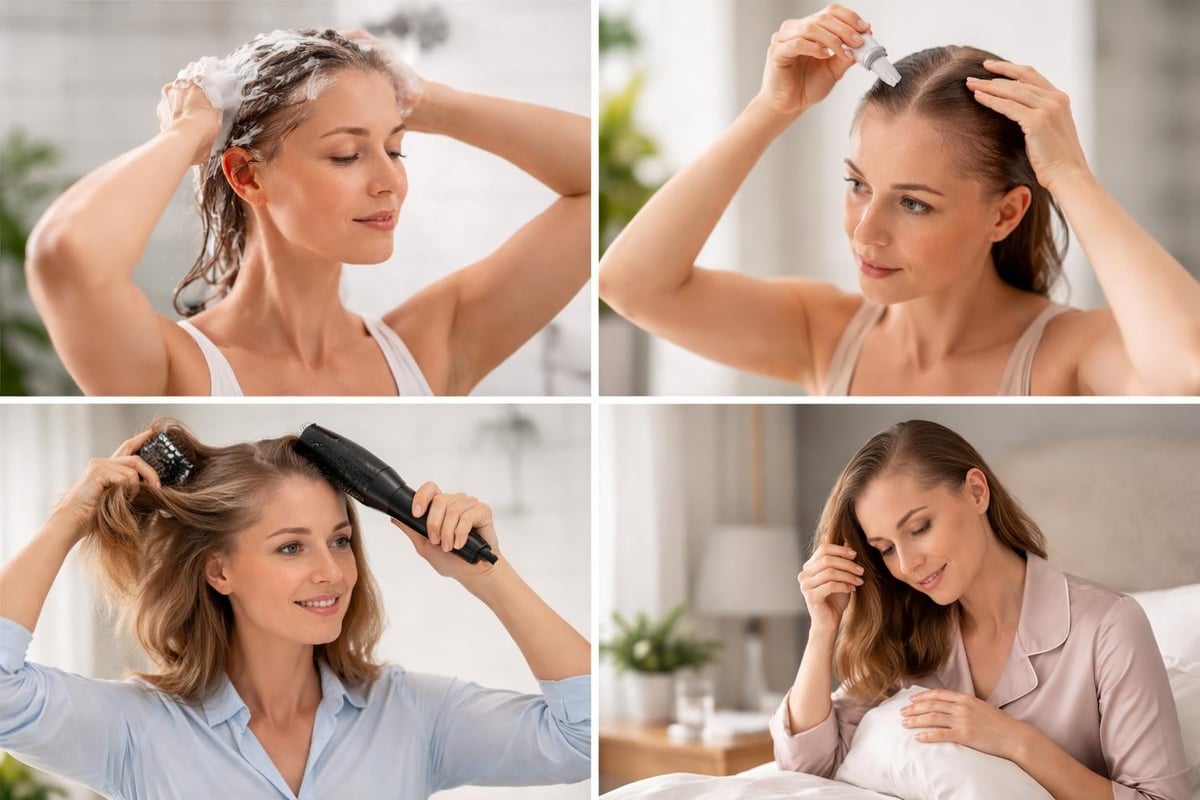
Minimising mechanical and chemical damage protects vulnerable follicles. Consider these protective measures:
- Avoid tight hairstyles that create tension
- Use wide-toothed combs on wet hair
- Limit heat styling to special occasions
- Choose sulphate-free, gentle shampoos
- Pat hair dry rather than aggressive rubbing
Scalp Health Optimisation
A healthy scalp environment supports optimal follicle function. Regular gentle cleansing removes buildup whilst maintaining natural moisture balance. Some individuals benefit from scalp massages to improve circulation.
Psychological Impact and Coping Strategies
The emotional toll of alopecia for hair loss often equals or exceeds physical concerns. Hair represents identity, attractiveness, and social acceptance in many cultures, making its loss particularly distressing.
Common Emotional Responses
Research from AARP’s overview of alopecia areata indicates that individuals frequently experience:
- Anxiety about appearance and social situations
- Depression linked to self-image concerns
- Social withdrawal or isolation
- Relationship difficulties
- Professional confidence challenges
Acknowledging these feelings as valid and normal represents the first step towards effective coping.
Building Confidence
Practical strategies for maintaining self-esteem include:
- Connecting with support groups (online or in-person)
- Experimenting with different hairstyles or accessories
- Using effective hair loss concealers for special occasions
- Focusing on controllable aspects of appearance
- Seeking professional psychological support when needed
Emerging Research and Future Directions
Scientific understanding of alopecia for hair continues evolving, with promising developments emerging regularly. Recent studies point to modified proteins that may revolutionise hair loss treatment approaches.
Current Research Focus Areas
Investigators are exploring several innovative directions:
- Stem cell therapies: Regenerating damaged or dormant follicles
- 3D-printed follicles: Creating entirely new hair-producing structures
- Microbiome research: Understanding scalp bacteria's role in hair health
- Gene therapy: Correcting genetic factors underlying hereditary alopecia
- Targeted immunotherapy: Precisely modulating immune responses in alopecia areata
Clinical Trials and Access
Participating in clinical trials offers access to cutting-edge treatments whilst contributing to scientific knowledge. Many research institutions actively recruit volunteers for alopecia studies throughout 2026.
Practical Solutions for Daily Life
Managing alopecia for hair effectively requires integrating solutions into daily routines without excessive time investment or complexity.
Morning Routine Optimisation
Creating an efficient morning routine ensures consistent care:
- Gentle cleansing with appropriate products
- Application of prescribed topical treatments
- Styling with spray-on hair solutions for instant volume
- Final touches with specialised brushes or tools
- Confidence boost from improved appearance
Product Selection Criteria
When choosing hair care products, prioritise:
- Ingredients: Natural, follicle-friendly formulations
- Ease of use: Quick application for busy lifestyles
- Longevity: Products that maintain appearance throughout the day
- Compatibility: Solutions that work with existing treatments
- Value: Effective results justified by investment
Social Situation Preparedness
Special events require particular attention to hair appearance. Planning ahead ensures confidence during important occasions, whether professional meetings, social gatherings, or personal celebrations.
Combining Treatment Modalities
The most effective approach to managing alopecia for hair often involves multiple concurrent strategies. This comprehensive method addresses different aspects of the condition simultaneously.
Layered Treatment Protocol
A typical multi-modal approach might include:
| Treatment Layer | Purpose | Application Frequency |
|---|---|---|
| Medical therapy | Address underlying cause | Daily |
| Nutritional support | Optimise follicle health | Daily |
| Topical treatments | Stimulate growth | 1-2 times daily |
| Cosmetic concealment | Immediate appearance | As needed |
| Stress management | Reduce triggers | Ongoing |
This comprehensive strategy maximises potential for improvement whilst providing immediate cosmetic benefits during the treatment process.
Monitoring Progress
Tracking changes helps assess treatment effectiveness and guides adjustments. Consider photographing affected areas monthly, documenting product usage, and noting any triggers or improvements.
Regular dermatologist consultations ensure medical oversight, particularly when using prescription treatments or experiencing unexpected changes.
Professional Consultation and Diagnosis
Proper diagnosis proves essential for effective alopecia for hair management. Self-diagnosis risks missing underlying health conditions requiring medical attention.
When to Seek Professional Help
Consult a dermatologist or trichologist if experiencing:
- Sudden or rapid hair loss
- Patches of complete baldness
- Scalp pain, itching, or burning
- Hair loss accompanied by other symptoms
- Emotional distress affecting daily life
Early intervention often yields better outcomes, particularly for conditions like alopecia areata where prompt treatment may prevent progression.
Diagnostic Procedures
Medical professionals employ various assessment methods:
- Visual examination and patient history
- Pull test to assess shedding severity
- Scalp biopsy for definitive diagnosis
- Blood tests for nutritional or hormonal issues
- Trichoscopy (magnified scalp examination)
These evaluations identify specific alopecia types and guide personalised treatment recommendations.
Cultural and Historical Perspectives
Understanding cultural perspectives on hair throughout history provides context for the emotional impact of alopecia for hair loss. Hair has symbolised power, beauty, and identity across civilisations, making its loss particularly significant.
Different cultures approach hair loss with varying attitudes, from acceptance to concealment. Modern society increasingly recognises alopecia as a legitimate medical condition deserving compassion and accommodation rather than stigma.
Quality of Life Improvements
Beyond physical appearance, effective alopecia management enhances overall quality of life through restored confidence and reduced anxiety about appearance.
Professional Impact
Hair loss can affect career confidence, particularly in customer-facing roles or competitive industries. Addressing visible thinning through effective concealment methods enables professionals to present themselves confidently.
Personal Relationships
Feeling attractive and confident strengthens personal relationships and social connections. Partners generally care more about emotional wellbeing than physical appearance, though personal confidence affects relationship dynamics.
Activity Participation
Fear of hair loss visibility can limit participation in activities like swimming, sports, or outdoor events. Weather-resistant cosmetic solutions enable full engagement without appearance concerns.
Managing alopecia for hair requires understanding the condition's complexity whilst implementing practical solutions that restore both appearance and confidence. Whether pursuing medical treatments, lifestyle modifications, or cosmetic concealment, the goal remains achieving comfort with your appearance and maintaining quality of life. RESTRAND LTD specialises in instant hair thickening solutions that provide immediate visual improvement whilst you explore long-term treatment options, helping you feel confident and self-assured every single day.