If you've found yourself thinking "my hair is thinning," you're far from alone. Millions of people across the United Kingdom experience hair thinning at some point in their lives, affecting both men and women of various ages. Understanding the causes behind hair thinning and knowing your options can help you regain control and confidence. This comprehensive guide explores the science behind hair loss, practical solutions, and how modern cosmetic innovations can help you achieve a fuller appearance whilst you explore longer-term treatment options.
Understanding Why My Hair Is Thinning
Hair thinning occurs when hair follicles gradually produce thinner, shorter, and less pigmented strands. Unlike sudden hair loss, thinning happens progressively, often so subtly that people don't notice until considerable density has been lost.
The most common culprit is pattern hair loss, medically known as androgenetic alopecia. This hereditary condition affects approximately 50% of men by age 50 and a significant percentage of women, particularly after menopause.
The Biology Behind Hair Thinning
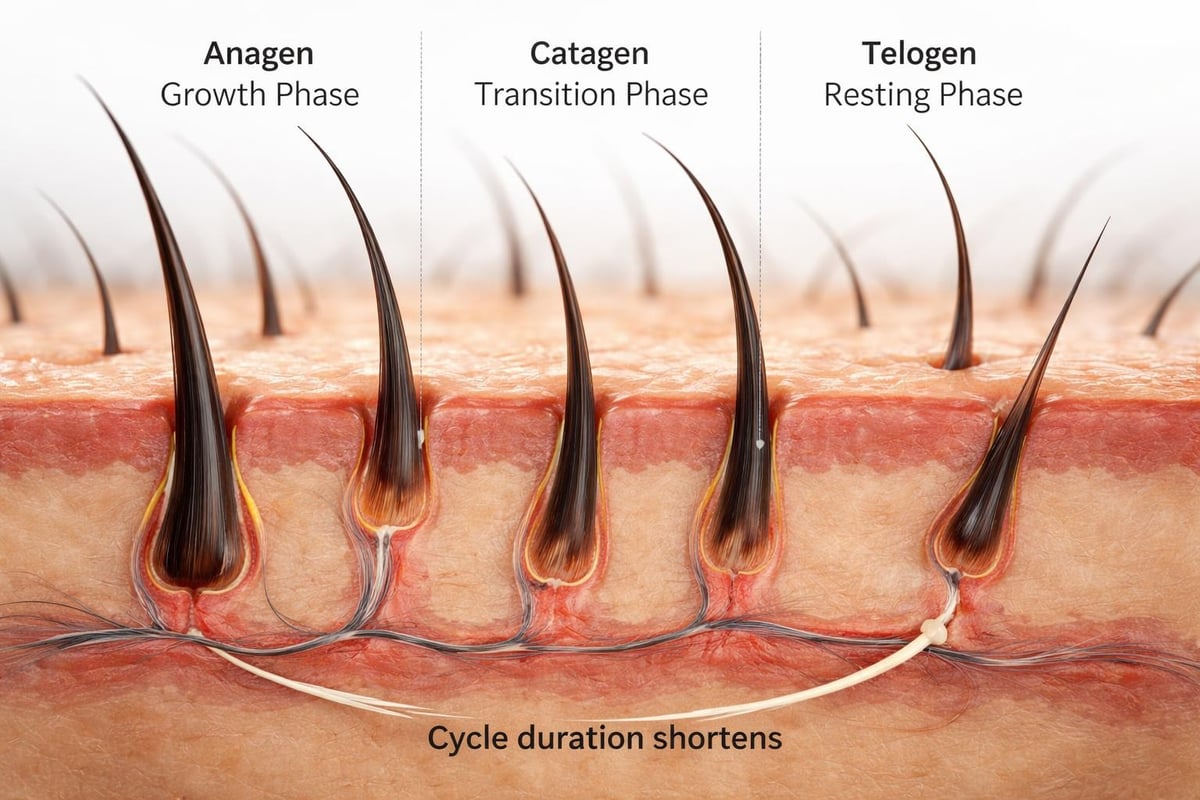
Hair growth follows a cyclical pattern consisting of three phases:
- Anagen (growth phase) – lasts 2-7 years
- Catagen (transition phase) – lasts about 2 weeks
- Telogen (resting phase) – lasts approximately 3 months
When my hair is thinning, the anagen phase shortens whilst the telogen phase remains constant or lengthens. This means hair spends less time growing and more time resting, resulting in thinner coverage.
Dihydrotestosterone (DHT), a derivative of testosterone, binds to receptors in hair follicles and miniaturises them over time. These follicles continue producing hair, but the strands become progressively finer and shorter until they're barely visible.
| Hair Thinning Stage | Follicle Size | Hair Diameter | Visibility |
|---|---|---|---|
| Early | 80-90% normal | Slightly reduced | Minimal change |
| Moderate | 50-70% normal | Noticeably thinner | Visible scalp |
| Advanced | 20-40% normal | Very fine | Significant baldness |
Common Causes When My Hair Is Thinning
Genetic Factors
Hereditary hair thinning represents the most prevalent cause. If your parents or grandparents experienced hair loss, you're significantly more likely to encounter similar patterns. Understanding hair loss requires acknowledging genetic predisposition as a primary factor.
Men typically notice receding hairlines and crown thinning, whilst women often experience diffuse thinning across the top of the scalp with maintained frontal hairline.
Hormonal Changes
Hormonal fluctuations dramatically impact hair density. Women may notice my hair is thinning during:
- Pregnancy and postpartum periods
- Menopause transitions
- Thyroid imbalances
- Polycystic ovary syndrome (PCOS)
Postpartum telogen effluvium affects up to 50% of new mothers, causing temporary but significant shedding approximately three months after delivery. Whilst distressing, this typically resolves within 6-12 months.
Nutritional Deficiencies
Your hair requires specific nutrients to maintain health and growth:
- Iron – essential for oxygen transport to follicles
- Protein – the building block of hair structure
- Biotin – supports keratin production
- Vitamin D – influences follicle cycling
- Zinc – aids in tissue growth and repair
For comprehensive information about nutrition’s role in hair health, understanding these connections proves invaluable.
Environmental and Lifestyle Factors
Modern life introduces numerous stressors that contribute to hair thinning:
- Chronic stress elevating cortisol levels
- Excessive heat styling and chemical treatments
- Tight hairstyles causing traction alopecia
- Smoking reducing blood flow to follicles
- Poor sleep affecting growth hormone production
Recognising the Signs My Hair Is Thinning
Early detection allows for more effective intervention. Watch for these indicators:
Visual Changes
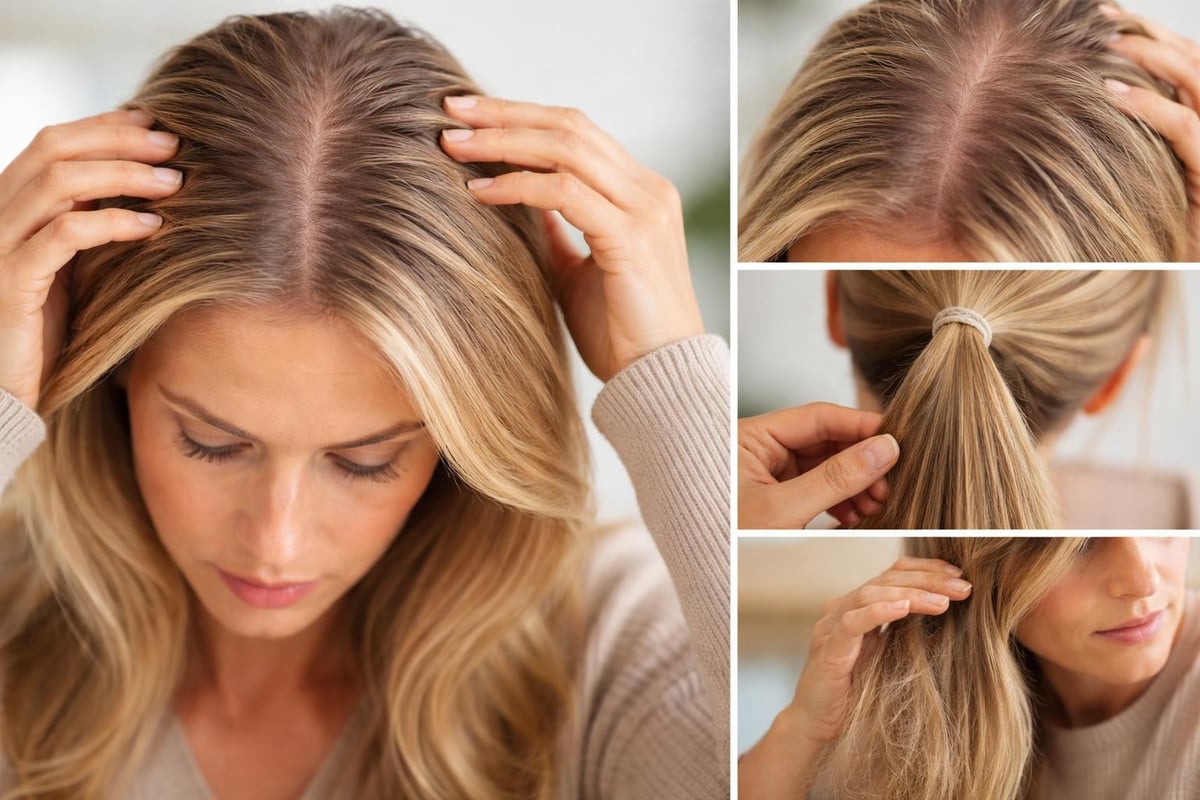
The bathroom mirror often reveals the first clues. You might notice:
- Wider parting lines
- Increased scalp visibility under certain lighting
- Reduced ponytail thickness
- More hair on pillows and in drains
- Slower hair growth rates
Textural Differences
Beyond density, hair quality changes. My hair is thinning when individual strands feel finer, break more easily, or lack the body they once possessed.
Professional assessment through a dermatologist or trichologist provides definitive diagnosis. These specialists use dermoscopy to examine follicle health and may conduct blood tests to identify underlying conditions.
Treatment Options When My Hair Is Thinning
Medical Interventions
Management approaches for hair loss have evolved significantly in recent years. Evidence-based treatments include:
Minoxidil (Regaine) – Applied topically twice daily, this over-the-counter treatment stimulates follicles and extends the growth phase. Results typically appear after 4-6 months of consistent use.
Finasteride – Available by prescription for men, this oral medication blocks DHT conversion. Approximately 80% of users maintain their hair, with some experiencing regrowth.
Dutasteride – A more potent DHT blocker showing promise in clinical trials. For detailed information about this treatment, explore resources on dutasteride effectiveness and considerations.
| Treatment Type | Application | Typical Results | Timeline |
|---|---|---|---|
| Minoxidil | Topical, twice daily | Maintenance + modest regrowth | 4-6 months |
| Finasteride | Oral, daily | Maintenance + regrowth | 6-12 months |
| PRP Therapy | Injections, monthly | Variable regrowth | 3-6 months |
| Hair Transplant | Surgical, one-time | Permanent restoration | 12-18 months |
Nutritional Support
Whilst supplements cannot reverse genetic hair loss, they address deficiency-related thinning. Always consult healthcare providers before starting supplementation regimens.
A balanced diet rich in lean proteins, omega-3 fatty acids, and colourful vegetables provides foundational support for hair health.
Cosmetic Solutions for Immediate Results
When my hair is thinning, waiting months for medical treatments to work can feel frustrating. Cosmetic concealers offer instant confidence whilst pursuing long-term solutions.
Hair thickening sprays represent the most advanced cosmetic option. These products contain microscopic fibres that electrostatically bond to existing hair, creating the appearance of significantly increased density.
Quality hair thickening sprays provide natural-looking results within seconds. The technology has improved dramatically, with modern formulations resisting wind, rain, and perspiration whilst remaining undetectable.
Building Fibres and Powders
These products work similarly to sprays but offer different application methods:
- Fibres – keratin-based particles shake onto thinning areas
- Powders – mineral-based products applied with brushes
- Sprays – liquid formulations providing even coverage
Hair building fibres excel at filling in specific areas like crowns or partings, whilst sprays offer more comprehensive coverage.
Practical Strategies for Managing Thinning Hair
Styling Techniques
Strategic styling maximises the appearance of existing hair:
- Choose volumising products designed for fine hair
- Avoid heavy conditioners that weigh down strands
- Use root-lifting techniques when blow-drying
- Consider layered cuts that create movement and fullness
- Experiment with partings to minimise visible scalp
For those seeking professional recommendations, volumising sprays specifically formulated for thin hair can transform daily styling routines.
Hair Care Best Practices
Gentle treatment preserves existing hair:
- Wash with lukewarm water using sulphate-free shampoos
- Pat dry instead of vigorous rubbing
- Minimise heat styling or use protective serums
- Space out chemical treatments
- Sleep on silk pillowcases to reduce friction

Scalp Health Maintenance
Healthy follicles require a healthy scalp environment:
- Regular massage increases circulation
- Exfoliation removes product buildup
- Moisturisation prevents dryness and inflammation
- Sun protection prevents UV damage
Addressing the Emotional Impact
Acknowledging that my hair is thinning can trigger significant emotional responses. Hair represents identity, youth, and vitality in many cultures, making its loss psychologically challenging.
Building Confidence
Acceptance doesn't mean resignation. It means recognising your worth isn't determined by hair density whilst actively pursuing solutions.
Support groups and counselling help many people process their feelings. Cultural perspectives on hair throughout history reveal how societies have always navigated changing appearances.
Immediate Confidence Boosters
Whilst working on long-term solutions, cosmetic concealers provide psychological relief. The ability to look in the mirror and see fuller hair significantly impacts daily confidence.
Modern hair loss concealers have become sophisticated enough that even close inspection reveals nothing amiss. This technology empowers users to attend important events, dates, or simply face daily life without anxiety.
Preventing Further Thinning
Early intervention produces the best outcomes. When you first notice my hair is thinning, taking action preserves more follicles.
Lifestyle Modifications
Simple changes yield measurable benefits:
- Stress management through meditation, exercise, or therapy
- Quality sleep of 7-9 hours nightly
- Smoking cessation to improve circulation
- Balanced nutrition with adequate protein
- Hydration supporting cellular function
Professional Monitoring
Regular check-ups track progression and treatment effectiveness. Non-scarring hair loss typically responds better to intervention than scarring varieties, making accurate diagnosis essential.
Photographic documentation helps track subtle changes over months and years. Take consistent photos in identical lighting and positioning every three months.
Debunking Common Myths
Misinformation abounds regarding hair thinning. Let's address prevalent myths:
Myth: Frequent washing causes hair loss
Reality: Washing removes already-shed hair. It doesn't cause additional loss.
Myth: Wearing hats leads to thinning
Reality: Unless excessively tight, headwear doesn't affect follicle health.
Myth: Hair thinning only affects older people
Reality: Genetic thinning can begin in the late teens or early twenties.
For comprehensive myth-busting, explore common misconceptions about hair loss.
The Future of Hair Thinning Solutions
Research continues advancing treatment options. Recent developments include:
- Stem cell therapy showing promise in follicle regeneration
- 3D-printed follicles in early experimental stages
- Modified proteins that may stimulate growth
- Gene therapy targeting hereditary patterns
Emerging research on modified proteins suggests future treatments may fundamentally alter how we address hair thinning.
Combination Approaches
Most specialists now recommend multi-pronged strategies:
- Medical treatment (minoxidil, finasteride, or both)
- Nutritional optimisation
- Cosmetic concealment for immediate confidence
- Scalp health maintenance
- Stress management techniques
This comprehensive approach addresses hair thinning from multiple angles, maximising results whilst supporting overall wellbeing.
Making Informed Decisions
When my hair is thinning, the abundance of products and treatments can feel overwhelming. Consider these factors when choosing solutions:
Treatment Goals
Define what success means to you:
- Complete regrowth (often unrealistic)
- Maintenance of current density
- Modest improvement
- Cosmetic camouflage
- Combination of approaches
Budget Considerations
Hair loss treatments vary dramatically in cost:
- Over-the-counter products – £10-50 monthly
- Prescription medications – £30-100 monthly
- PRP therapy – £300-800 per session
- Hair transplants – £3,000-15,000
- Cosmetic concealers – £15-40 monthly
Time Commitment
Some solutions require minimal effort, whilst others demand significant dedication. Assess your lifestyle realistically before committing to complex regimens.
Thickening sprays for thinning hair offer the advantage of instant results with minimal daily time investment, making them ideal for busy professionals.
Recognising that my hair is thinning marks the beginning of a journey, not an endpoint. Understanding the causes, exploring evidence-based treatments, and leveraging modern cosmetic solutions empowers you to take control of your appearance and confidence. Whether you choose medical intervention, lifestyle modifications, or instant cosmetic concealment, options exist to help you look and feel your best. RESTRAND LTD specialises in providing premium hair thickening sprays and concealers that deliver immediate, natural-looking results whilst you pursue your chosen treatment path, helping thousands across the UK regain their confidence every day.