



Hair thinning affects millions across the UK, impacting confidence and self-esteem regardless of age or gender. Understanding what's genuinely good for thickening hair requires knowledge of both biological treatments that encourage growth and cosmetic solutions that deliver immediate results. This comprehensive guide explores proven methods, emerging treatments, and practical approaches that address thinning hair from multiple angles, helping you make informed decisions about which solutions align with your needs and lifestyle.
Understanding Hair Thickening: What Actually Works
The quest for thicker hair has driven significant research and innovation in recent years. When we discuss what's good for thickening hair, we must differentiate between treatments that promote genuine hair growth and those that create the visual appearance of fuller hair. Both approaches have merit depending on individual circumstances.
Scientific research has validated several approaches to hair thickening. Studies have shown that topical adenosine increases the ratio of thick hair in men with androgenetic alopecia, demonstrating measurable improvements in hair diameter and density. Similarly, research indicates that adenosine application benefits women with pattern hair loss, increasing anagen hair growth and the proportion of thick hairs.
Key factors that influence hair thickness:
- Genetic predisposition to hair thinning
- Hormonal fluctuations and imbalances
- Nutritional deficiencies affecting follicle health
- Scalp condition and blood circulation
- Environmental stressors and styling damage
- Age-related changes in hair structure
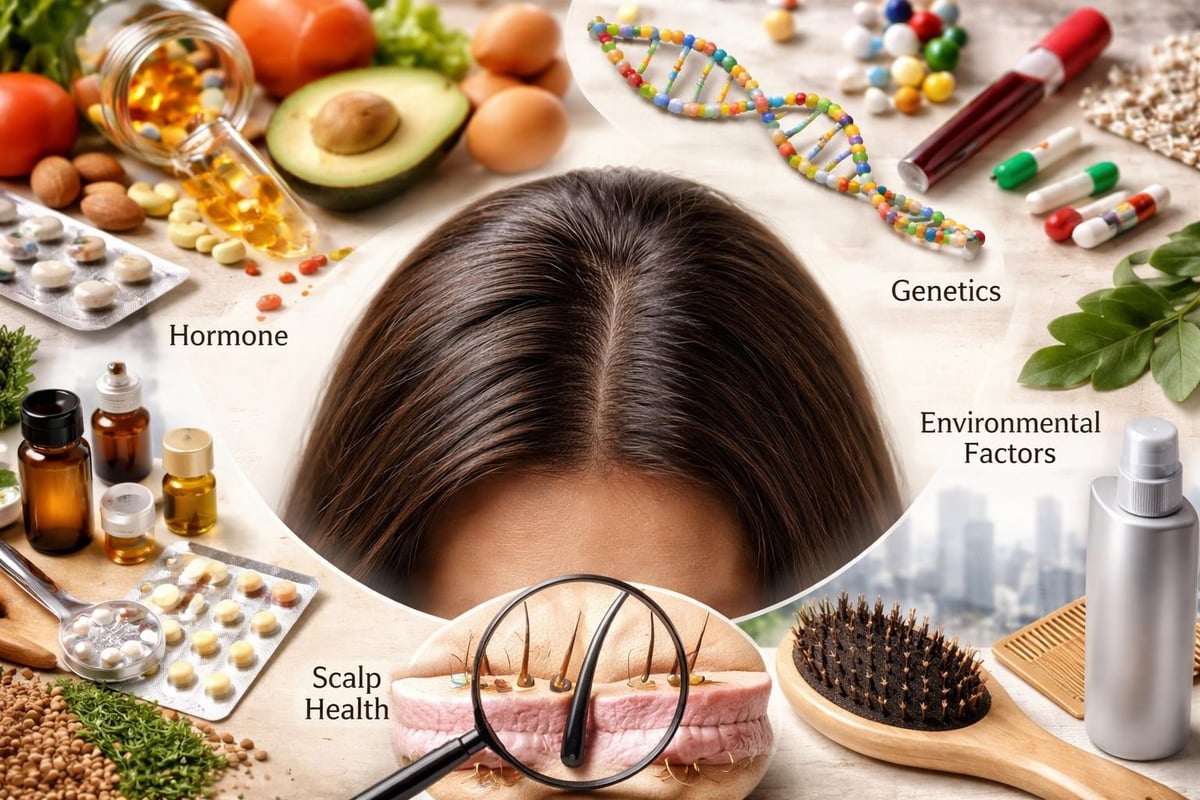

Understanding these factors helps identify which solutions will be most effective for your specific situation. A combination approach often yields the best results, addressing both the biological causes of thinning and the immediate cosmetic concerns.
Professional Treatments Good for Thickening Hair
Professional interventions have advanced considerably, offering solutions backed by clinical evidence. These treatments work through various mechanisms to stimulate follicles, improve scalp health, or enhance existing hair structure.
Medical Therapies and Prescription Solutions
Prescription medications remain among the most researched options. Minoxidil continues as a first-line treatment, applied topically to stimulate follicles and extend the growth phase. For men, finasteride blocks DHT production, though concerns about side effects warrant careful consideration of information on finasteride before proceeding.
Regenerative medicine offers exciting possibilities. Research into concentrated growth factors explores how platelet-rich plasma and similar treatments may encourage hair thickening through cellular regeneration. These approaches show promise for those seeking alternatives to conventional medications.
Advanced Clinical Procedures
Non-invasive hair thickening treatments have gained traction, including low-level laser therapy which stimulates follicles through specific light wavelengths. Clinical trials support the efficacy of these treatments when used consistently over several months.
| Treatment Type | Mechanism | Typical Timeline | Maintenance Required |
|---|---|---|---|
| Topical Minoxidil | Follicle stimulation | 4-6 months | Daily application |
| Low-Level Laser | Light therapy | 3-6 months | 2-3 weekly sessions |
| PRP Therapy | Growth factor injection | 3-4 months | Quarterly sessions |
| Hair Mesotherapy | Nutrient delivery | 2-3 months | Monthly treatments |
Professional solutions for hair thickening such as mesotherapy deliver vitamins, minerals, and amino acids directly to the scalp, strengthening fine hair and potentially increasing diameter. These treatments require professional administration but offer targeted delivery of beneficial compounds.
Nutritional Approaches Good for Thickening Hair
What you consume significantly impacts hair health and thickness. Hair follicles require specific nutrients to produce strong, thick strands, making dietary choices a fundamental component of any hair thickening strategy.
Essential Nutrients for Hair Density
Protein forms the structural foundation of hair, composed primarily of keratin. Expert advice on dietary choices emphasizes consuming lean proteins such as chicken, fish, and legumes to provide the building blocks necessary for hair growth.
Critical vitamins and minerals:
- Biotin (Vitamin B7): Supports keratin production and infrastructure
- Vitamin D3: Influences follicle cycling and new hair formation
- Iron: Delivers oxygen to follicles via red blood cells
- Zinc: Regulates follicle recovery and tissue repair
- Omega-3 fatty acids: Reduce inflammation and nourish follicles
- Vitamin E: Protects against oxidative stress
The role of vitamins and minerals in enhancing hair thickness cannot be overstated, though supplementation works best when addressing actual deficiencies rather than as a universal solution.
Dietary Patterns That Support Thickness
Mediterranean and anti-inflammatory diets show particular promise for hair health. These eating patterns emphasize whole foods, healthy fats, and antioxidants that combat inflammation affecting follicle function. Incorporating fatty fish, nuts, seeds, and leafy greens provides multiple nutrients good for thickening hair simultaneously.
Hydration also plays a crucial role. Hair shafts contain approximately 25% water, and adequate hydration maintains elasticity and prevents brittleness that makes hair appear thinner.

Home Care Practices That Enhance Thickness
Daily hair care routines significantly influence both the reality and appearance of hair thickness. Simple adjustments to products and techniques can yield noticeable improvements without requiring professional intervention.
Selecting the Right Products
Thickening shampoos and conditioners work through various mechanisms. Some contain polymers that coat hair shafts, temporarily increasing diameter. Others include ingredients like biotin, keratin, or collagen that may strengthen existing hair. Understanding how thickening shampoos work helps set realistic expectations about their benefits.
Formulation matters considerably. Sulphate-free products reduce stripping of natural oils, maintaining scalp health. Lightweight conditioners prevent weighing down fine hair whilst providing necessary moisture.
Scalp Health and Stimulation
Scalp exfoliation removes buildup from styling products, hard water minerals, and excess sebum that can impede follicle function. Regular exfoliation, whether through specialised products or gentle manual massage, promotes a healthy environment for thicker hair growth.
Scalp massage deserves particular attention as a technique good for thickening hair. Gentle circular motions increase blood flow to follicles, potentially improving nutrient delivery. Practical tips include scalp massages performed for five minutes daily, either dry or with lightweight oils.
Protective Styling and Heat Management
Minimising damage preserves existing thickness. Heat styling at temperatures exceeding 180°C can damage the cuticle, making hair appear thinner and more brittle. When heat styling is necessary, always apply thermal protection and use the lowest effective temperature.
- Air dry whenever possible or use cool settings
- Space out heat styling sessions to twice weekly maximum
- Apply heat protectant to every section before styling
- Maintain tools in good condition with clean plates
- Avoid pulling or tension that stresses follicles
Chemical treatments require careful consideration. Whilst some volumising treatments exist, frequent colouring, bleaching, or chemical straightening compromises hair structure. Those addressing thinning hair should minimise chemical processing or seek professional application to reduce damage.
Immediate Cosmetic Solutions
For many experiencing hair thinning, the psychological impact demands solutions that work immediately whilst longer-term treatments take effect. Cosmetic approaches good for thickening hair provide instant visual results without the waiting period required by biological treatments.
Hair Thickening Sprays and Fibres
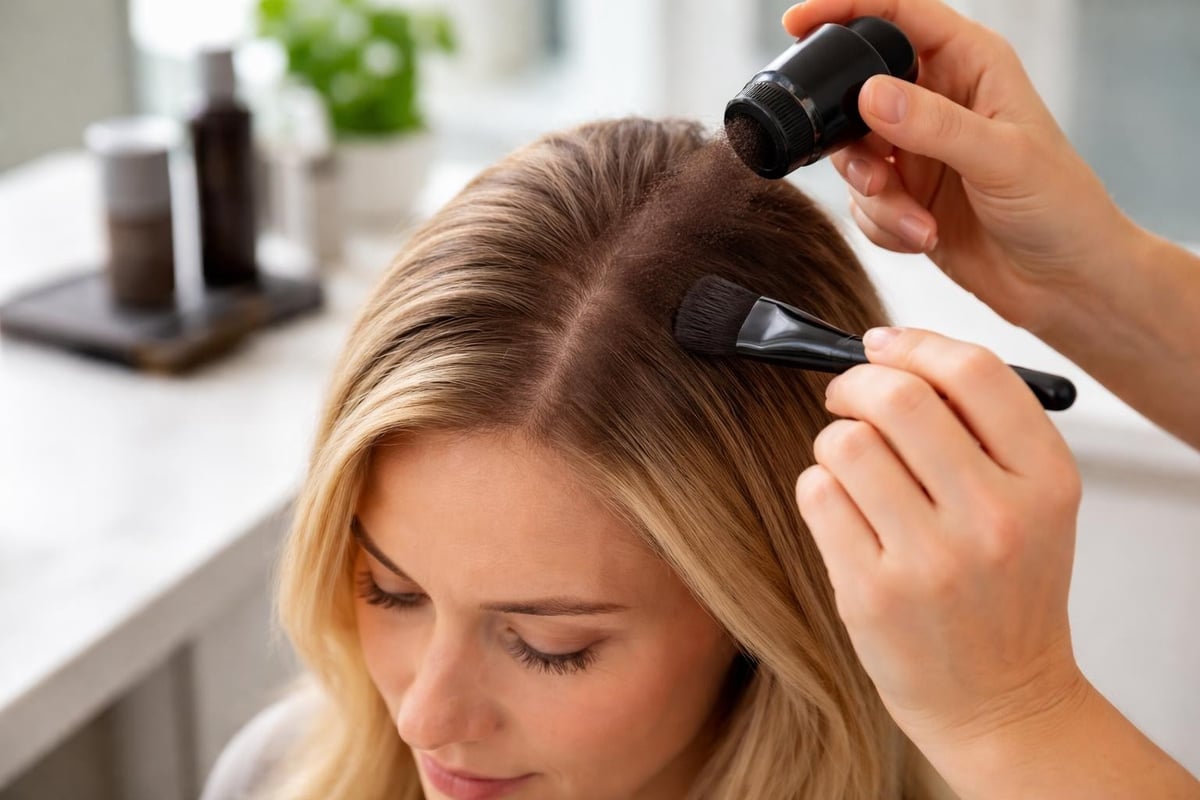
Modern hair thickening spray technology has evolved considerably, offering natural-looking coverage that withstands daily activities. These products use microfibres or pigmented sprays that bond electrostatically to existing hair, creating the appearance of fuller coverage.
Benefits of cosmetic thickeners:
- Immediate visual improvement within seconds
- Non-invasive with no side effects
- Reversible and adjustable daily
- Complementary to biological treatments
- Confidence boost whilst awaiting growth results
- Water-resistant formulations available
Selecting the best hair thickening spray involves considering colour match, application method, hold strength, and resistance to environmental conditions. Premium products offer natural appearance under various lighting conditions and maintain coverage throughout active days.
Strategic Application Techniques
Proper application maximises effectiveness. Clean, dry hair provides the best foundation. Strategic application focuses on areas of concern rather than overall coverage, preserving a natural appearance. Building gradually in thin layers prevents clumping and ensures even distribution.
| Application Factor | Best Practice | Common Mistake |
|---|---|---|
| Hair condition | Completely dry | Damp or wet hair |
| Distance | 15-20cm from scalp | Too close application |
| Motion | Sweeping, even sprays | Concentrated spots |
| Building | Gradual thin layers | Heavy single application |
| Setting | Allow 30 seconds between layers | Immediate touching |
These products work particularly well for addressing emerging bald patches where the contrast between thinning areas and fuller surrounding hair creates noticeable appearance concerns.
Lifestyle Factors Affecting Hair Thickness
Beyond direct treatments and products, overall lifestyle significantly influences hair health. Stress management, sleep quality, and environmental protection all contribute to maintaining and potentially improving hair thickness.
Stress and Hormonal Balance
Chronic stress elevates cortisol, which can trigger telogen effluvium, pushing hair prematurely into the shedding phase. Managing stress through exercise, meditation, or therapy protects against stress-induced thinning. Sleep quality equally matters, as growth hormone secretion peaks during deep sleep, supporting cellular repair including follicle function.
Hormonal fluctuations affect hair thickness across life stages. Pregnancy often temporarily thickens hair through elevated oestrogen, whilst postpartum and menopause can trigger noticeable thinning. Understanding these patterns helps set realistic expectations and choose appropriate interventions.
Environmental Protection
UV exposure, pollution, and hard water all compromise hair structure. UV rays oxidise hair proteins, weakening strands and reducing diameter. Wearing hats during extended sun exposure and using UV-protective hair products preserves existing thickness.
Environmental considerations:
- Install water softeners or use chelating shampoos in hard water areas
- Rinse hair after swimming to remove chlorine or salt
- Protect from wind which causes tangling and breakage
- Limit exposure to heavily polluted environments when possible
Regular trims, whilst not directly good for thickening hair, remove split ends that travel up the shaft, making hair appear thinner and more damaged. Maintaining ends every 8-12 weeks preserves the appearance of thickness.
Combining Approaches for Optimal Results
The most effective strategy often involves multiple concurrent approaches. Biological treatments address underlying causes, nutritional support optimises follicle function, proper care maintains existing hair health, and cosmetic solutions provide immediate confidence whilst waiting for results.
Creating Your Personal Protocol
Begin by identifying your primary concerns and constraints. Budget, time commitment, tolerance for potential side effects, and desired timeline all influence which combination proves most suitable. Someone seeking immediate results whilst exploring longer-term options might combine a thickening spray for thinning hair with nutritional supplementation and gentle scalp massage.
Sample combination protocols:
- Immediate Results Focus: Cosmetic fibres + volumising styling + protective care
- Long-Term Growth: Topical treatment + nutritional support + stress management + monthly professional therapy
- Balanced Approach: Cosmetic coverage + home scalp treatments + dietary optimisation + quarterly professional assessment
- Budget-Conscious: DIY scalp massage + dietary changes + strategic styling + affordable thickening products
Monitor progress through regular photographs in consistent lighting. Hair growth occurs slowly, approximately 1cm monthly, making subjective assessment unreliable. Photographic documentation every four weeks reveals gradual improvements that daily observation might miss.
When to Seek Professional Assessment
Sudden or dramatic hair thinning warrants medical evaluation. Conditions including thyroid disorders, autoimmune diseases, nutritional deficiencies, and hormonal imbalances manifest through hair changes. Addressing underlying health issues often resolves or improves associated hair thinning.
A dermatologist or trichologist can perform scalp analysis, examine hair under magnification, and potentially conduct blood tests identifying contributing factors. Professional guidance on hair loss proves invaluable when self-directed approaches yield insufficient results.
Emerging Research and Future Possibilities
Scientific understanding of hair biology continues advancing, with new research on modified proteins suggesting novel approaches to combating hair loss. Regenerative medicine, including stem cell research and tissue engineering, may revolutionise options good for thickening hair within the coming decade.
Gene therapy targeting specific causes of androgenetic alopecia remains experimental but shows theoretical promise. Microbiome research explores how scalp bacteria influence follicle health, potentially leading to probiotic treatments. 3D-printed follicles and cloning technologies exist in early research stages.
Promising areas under investigation:
- Wnt signalling pathway manipulation for follicle activation
- JAK inhibitors repurposed from autoimmune treatments
- Prostaglandin analogues influencing growth cycles
- Topical caffeine formulations for follicle stimulation
- Platelet-derived growth factor applications
Whilst these innovations develop, current evidence-based approaches remain the gold standard. Combining proven treatments with realistic expectations and patience yields the best outcomes for those seeking thicker hair.
Maintaining Results Long-Term
Achieving thicker-looking hair represents just the beginning. Maintaining results requires sustained commitment to whichever approaches proved effective. Hair responds to consistent, ongoing care rather than sporadic interventions.
For those using biological treatments, discontinuation typically results in gradual return to baseline thinning. Maintenance protocols often involve reduced frequency rather than complete cessation. Nutritional support requires permanent dietary modifications rather than temporary supplementation. Cosmetic solutions demand daily application for consistent appearance.
Building sustainable routines ensures long-term success. Overly complicated protocols face abandonment, whilst simple, integrated practices become habitual. Select approaches that align with your lifestyle, preferences, and budget for greatest adherence likelihood.
Achieving and maintaining thicker hair involves understanding which approaches address your specific concerns, whether through biological treatments, nutritional optimisation, protective care, or cosmetic enhancement. For those seeking immediate confidence whilst exploring longer-term solutions, RESTRAND LTD offers premium hair thickening sprays that provide natural-looking fullness within seconds, complementing any comprehensive hair care strategy and helping you feel confident throughout your hair thickening journey.