


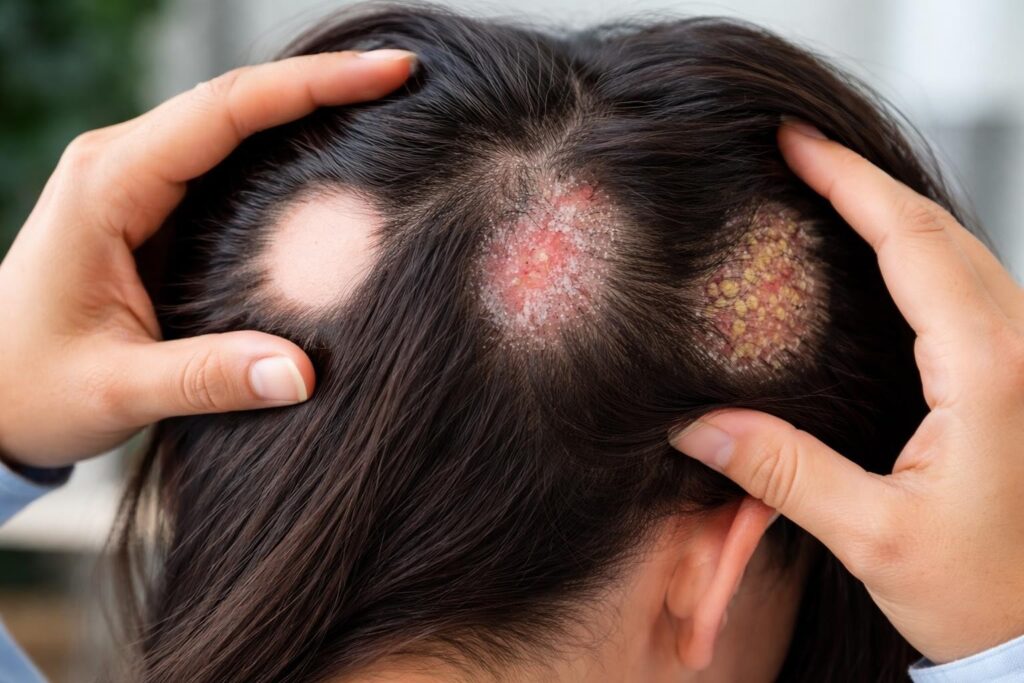
Experiencing patches on head where hair has thinned or disappeared entirely can be a distressing discovery. These bare or thinning areas affect millions of people across the UK and globally, impacting confidence and self-image significantly. Whether the patches appear suddenly or develop gradually over time, understanding their underlying causes and available solutions is crucial for managing both the physical condition and its emotional impact. From autoimmune conditions to scalp infections, the reasons behind these patches vary considerably, and each requires a different approach to treatment and concealment.
Common Causes of Patches on Head
Multiple conditions can lead to the development of patches on head, each with distinct characteristics and underlying mechanisms. Identifying the specific cause is essential for pursuing appropriate treatment.
Alopecia Areata
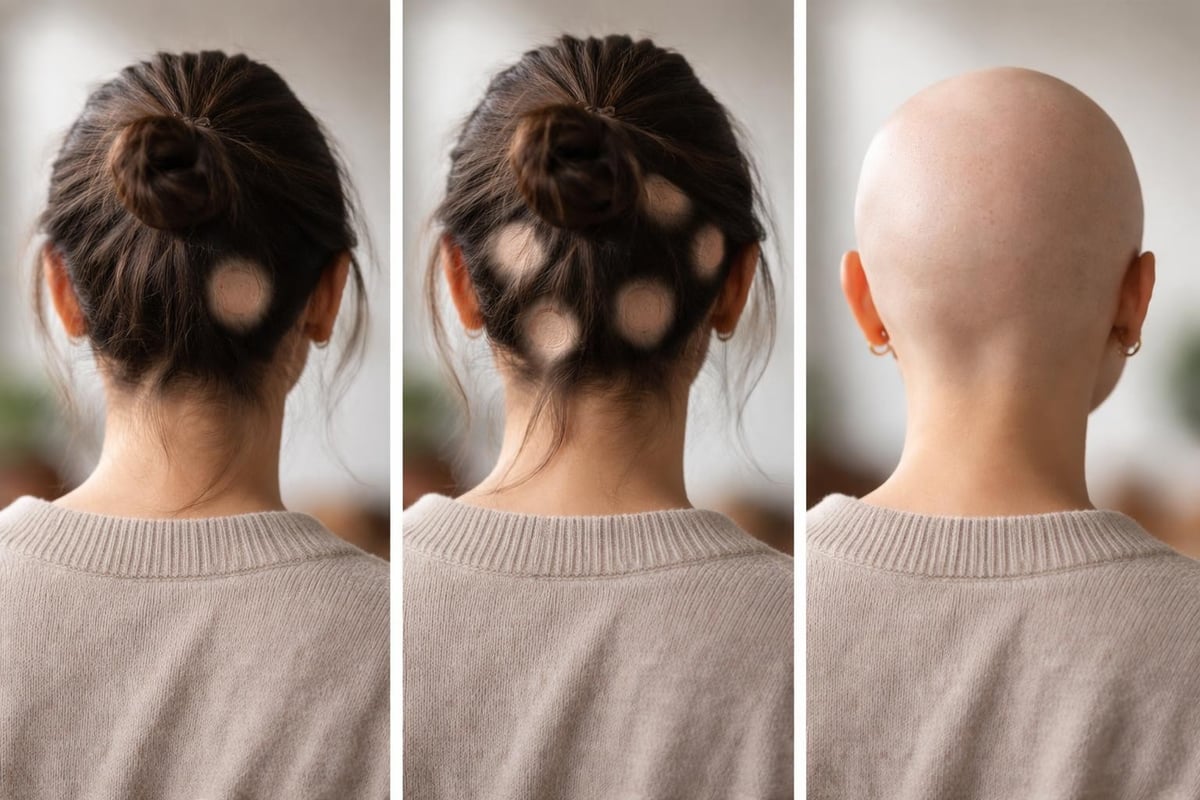
Alopecia areata represents one of the most common autoimmune conditions causing patches on head. The body's immune system mistakenly attacks hair follicles, resulting in sudden hair loss that typically presents as smooth, round patches.
Key characteristics include:
- Sudden onset of hair loss in circular or oval patterns
- Completely smooth skin in affected areas
- Patches that may expand or multiply over time
- Potential for complete hair regrowth without scarring
- Possible nail changes including pitting or ridging
This condition affects approximately 2% of the population at some point in their lives. The patches can appear anywhere on the scalp, and whilst some individuals experience a single patch that regrows naturally, others may develop multiple areas of hair loss or progress to more extensive forms.

Scalp Psoriasis
Scalp psoriasis creates raised, scaly patches that can lead to temporary hair loss in affected areas. This chronic inflammatory condition affects roughly 2-3% of the UK population and often extends beyond the hairline to the forehead, neck, and ears.
| Symptom | Description | Impact on Hair |
|---|---|---|
| Scaling | Silvery-white scales on red patches | Creates visible patches through hair |
| Inflammation | Red, inflamed skin areas | Can damage follicles temporarily |
| Itching | Intense scalp irritation | May lead to scratching and hair breakage |
| Flaking | Large flakes or scales | Makes patches more noticeable |
According to information from the Psoriasis and Psoriatic Arthritis Alliance, proper management can significantly reduce both symptoms and visible patches.
Fungal Infections (Tinea Capitis)
Ringworm of the scalp, medically known as tinea capitis, primarily affects children but can occur in adults. This fungal infection creates scaly patches on head accompanied by broken hairs and inflammation.
The infection spreads through direct contact or sharing personal items such as combs, hats, or pillowcases. Early treatment with antifungal medications is crucial to prevent permanent hair loss and scarring.
Trichotillomania and Hair-Pulling Behaviours
This psychological condition involves compulsive hair pulling, creating irregular patches on head with broken hairs of varying lengths. Unlike alopecia areata, the patches have an uneven appearance with some remaining stubble.
Treatment typically requires a combination of behavioural therapy and, in some cases, medication to address underlying anxiety or obsessive-compulsive tendencies.
Diagnostic Approaches for Hair Loss Patches
Proper diagnosis forms the foundation of effective treatment. Medical professionals employ various methods to identify the cause of patches on head.
Clinical Examination
Dermatologists begin with a thorough visual inspection of the scalp and affected areas. They examine the pattern, texture, and extent of hair loss, looking for specific indicators that point toward particular conditions.
Examination factors include:
- Pattern and distribution of patches
- Condition of remaining hair and follicles
- Presence of scaling, redness, or inflammation
- Texture and appearance of the skin within patches
- Evidence of scarring or permanent follicle damage
Laboratory Testing
When visual examination proves inconclusive, additional tests help confirm diagnoses. Healthcare providers may recommend blood tests to check for autoimmune markers, thyroid function, and nutritional deficiencies.
A scalp biopsy involves removing a small skin sample for microscopic examination, revealing inflammation patterns, fungal infections, or other abnormalities affecting hair follicles.
Treatment Options for Different Conditions
Medical Interventions for Alopecia Areata
Understanding alopecia areata helps patients make informed decisions about treatment options. Several evidence-based approaches exist for managing this condition.
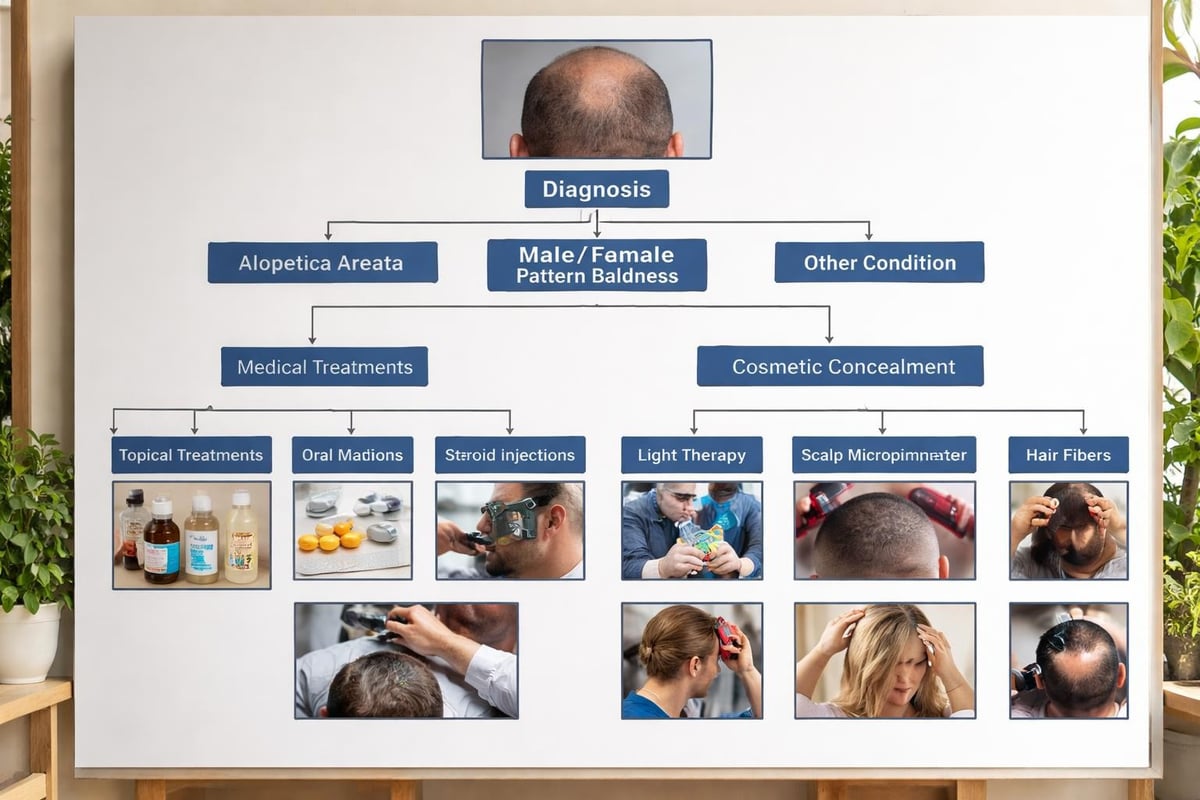
Corticosteroid injections directly into affected patches represent the most common first-line treatment for adults. Administered every four to six weeks, these injections can stimulate hair regrowth in many cases.
Topical corticosteroids offer a non-invasive alternative, particularly for children or those with widespread patches. Whilst generally less effective than injections, they carry fewer side effects and can be applied at home.
| Treatment Type | Effectiveness | Time to Results | Considerations |
|---|---|---|---|
| Corticosteroid injections | High for limited patches | 2-3 months | Requires regular clinic visits |
| Topical corticosteroids | Moderate | 3-6 months | Easy home application |
| Minoxidil | Moderate | 6-12 months | Requires continuous use |
| Immunotherapy | High for extensive cases | 3-6 months | Specialist supervision needed |
Newer treatments including JAK inhibitors show promising results for extensive alopecia areata, though availability through the NHS remains limited due to cost considerations.
Managing Scalp Psoriasis
Treating scalp psoriasis requires a multi-faceted approach combining medicated shampoos, topical treatments, and lifestyle modifications. Coal tar preparations help slow skin cell turnover, whilst salicylic acid removes scales effectively.
Vitamin D analogues applied directly to affected patches reduce inflammation and slow abnormal skin cell growth. For severe cases, systemic medications or phototherapy may be necessary.
Addressing Fungal Infections
Oral antifungal medications remain the gold standard for treating tinea capitis. Topical treatments alone cannot penetrate deeply enough to eliminate the infection from hair follicles.
Treatment typically lasts 6-12 weeks, with complete resolution requiring patience and adherence to the prescribed regimen. Household members may need simultaneous treatment to prevent reinfection.
Lifestyle Factors and Prevention Strategies
Environmental and behavioural factors significantly influence both the development and management of patches on head.
Nutritional Considerations
Adequate nutrition supports healthy hair growth and immune function. Deficiencies in iron, zinc, biotin, and protein can exacerbate hair loss conditions or slow recovery.
Essential nutrients for hair health:
- Iron (red meat, spinach, lentils)
- Zinc (oysters, beef, pumpkin seeds)
- Biotin (eggs, nuts, whole grains)
- Protein (fish, poultry, legumes)
- Omega-3 fatty acids (salmon, walnuts, flaxseed)
Stress Management
Stress represents a significant trigger for various hair loss conditions, particularly alopecia areata and telogen effluvium. Implementing stress reduction techniques may help prevent new patches from developing.
Regular exercise, adequate sleep, meditation, and counselling all contribute to better stress management and potentially improved hair health outcomes.
Gentle Hair Care Practices
Avoiding harsh chemical treatments, excessive heat styling, and tight hairstyles reduces mechanical stress on hair follicles. Using mild, sulphate-free shampoos and allowing hair to air-dry when possible protects remaining hair.
Cosmetic Solutions and Concealment Options
Whilst treating the underlying cause remains paramount, cosmetic solutions provide immediate confidence-boosting results for those dealing with visible patches on head.
Hair Thickening Sprays and Fibres
Modern hair loss concealers offer sophisticated solutions for concealing patches on head instantly. These products work by binding to existing hair, creating the appearance of fuller, thicker coverage.
Hair building fibres consist of natural keratin proteins that electrostatically cling to hair strands, filling in gaps and making patches less noticeable. Available in multiple shades to match natural hair colour, these fibres blend seamlessly when applied correctly.
Application Techniques for Optimal Results
Achieving natural-looking coverage requires proper application technique. Start with clean, dry hair styled as desired, then apply products in thin, even layers rather than heavy application all at once.
Step-by-step application:
- Style hair to maximise coverage over patches
- Hold product 10-15 centimetres from scalp
- Apply in short, controlled bursts
- Build coverage gradually in thin layers
- Blend edges carefully for natural appearance
- Set with hairspray if needed for longevity
Using a specialised styling brush helps distribute products evenly and creates a more polished finish. These tools enable precise application around patch edges where blending proves most challenging.
Complementary Styling Strategies
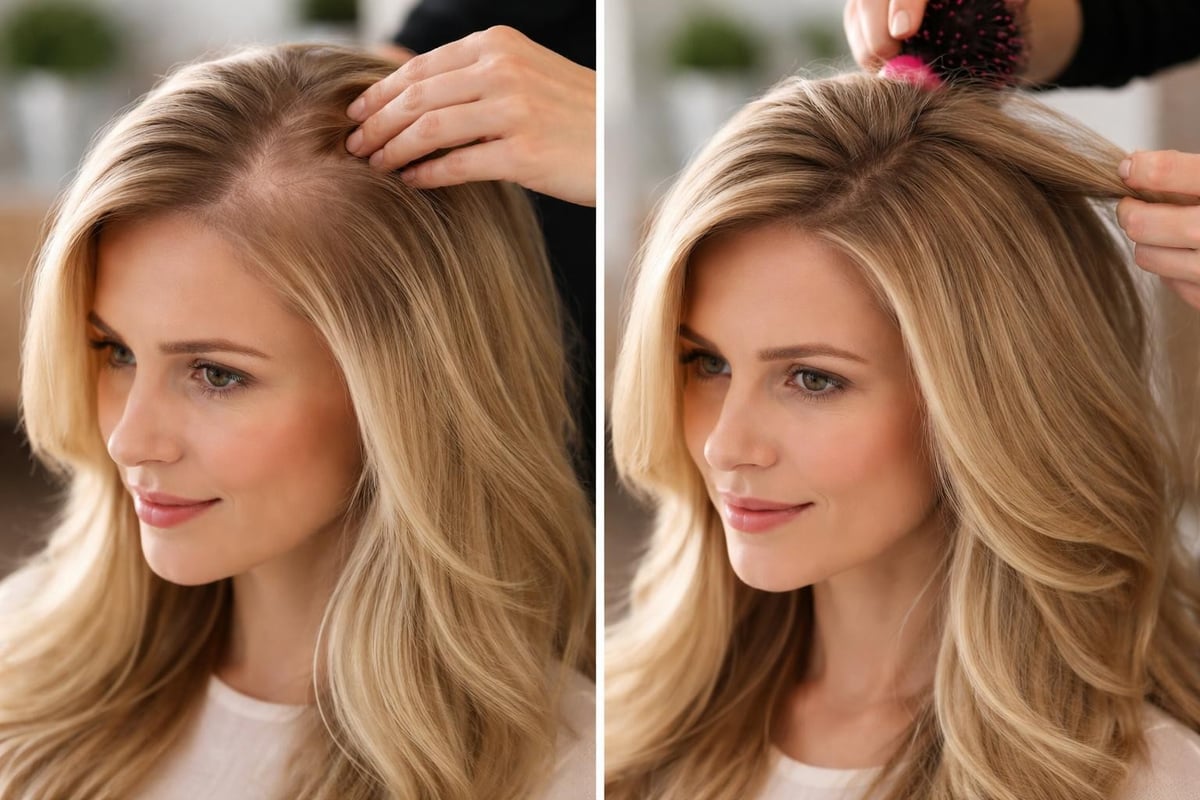
Strategic hairstyling significantly impacts patch visibility. Adjusting parting locations, adding volume at the roots, and choosing styles that create movement all help divert attention from affected areas.
Consulting with a hairstylist experienced in working with hair loss can provide personalised recommendations based on patch location and extent. Many professionals now specialise in creating flattering styles for clients experiencing various forms of alopecia.
Psychological Impact and Support Resources
The emotional toll of developing patches on head extends far beyond physical appearance. Many individuals experience anxiety, depression, and social withdrawal related to their hair loss.
Understanding the Emotional Journey
Hair loss often triggers grief similar to other significant losses. Individuals may progress through denial, anger, bargaining, and depression before reaching acceptance.
Acknowledging these feelings as normal and valid represents an important step toward emotional healing. Support groups, both in-person and online, connect individuals with others facing similar challenges.
Building Confidence During Treatment
Thickening spray for thinning hair and other cosmetic solutions provide psychological benefits during the often lengthy treatment process. Feeling more confident about appearance can reduce social anxiety and improve quality of life whilst waiting for medical treatments to take effect.
Professional Mental Health Support
For some individuals, professional counselling or therapy proves beneficial in managing the psychological impact of hair loss. Cognitive behavioural therapy helps develop coping strategies and challenge negative thought patterns related to appearance.
Living Successfully with Hair Patches
Adapting to patches on head involves both practical adjustments and mindset shifts. Many people find that acceptance and proactive management lead to better outcomes than constant worry or concealment attempts alone.
Education and Self-Advocacy
Understanding the specific condition causing patches empowers individuals to make informed treatment decisions and communicate effectively with healthcare providers. Detailed information about alopecia and other conditions helps patients recognise symptoms, track progression, and identify when additional medical intervention may be necessary.
Keeping a photographic record of patches over time helps both patients and doctors assess whether treatments are working effectively or adjustments are needed.
Community Connection
Connecting with others experiencing similar challenges reduces feelings of isolation. Online communities, local support groups, and charity organisations provide valuable resources, emotional support, and practical advice.
Many individuals report that sharing experiences and coping strategies with others facing patches on head helps normalise their experience and reduces anxiety about their condition.
Maintaining Perspective
Whilst patches on head can significantly impact self-image, many individuals eventually develop a broader perspective that encompasses their whole identity rather than focusing exclusively on hair loss. This psychological shift often correlates with improved wellbeing and life satisfaction.
Managing patches on head requires a comprehensive approach that addresses both the underlying medical condition and its practical and emotional impacts. Whether your patches result from alopecia areata, scalp psoriasis, or another condition, combining appropriate medical treatment with effective cosmetic solutions creates the best path forward. RESTRAND LTD offers advanced hair thickening products specifically designed to conceal patches and thinning areas, providing immediate confidence whilst you pursue long-term treatment solutions. Discover how our range of professional-grade concealers can transform your appearance and restore your self-assurance today.