


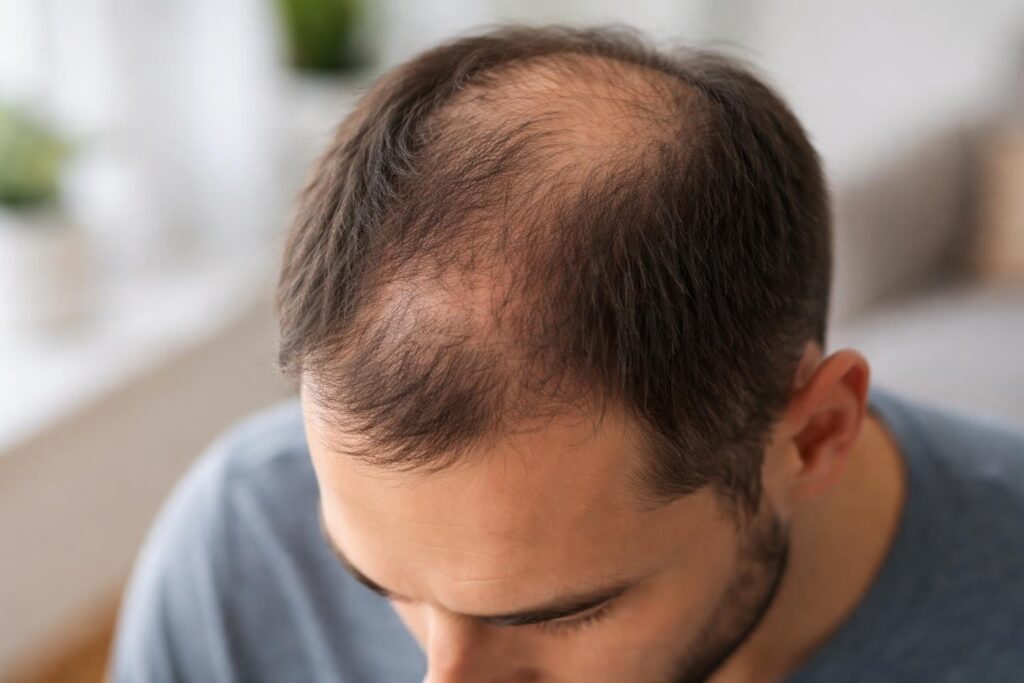
Discovering bald patches on my head can be an unsettling experience that affects both appearance and confidence. Whether you've noticed a single smooth patch or multiple areas of thinning hair, understanding the underlying causes and available solutions is essential for addressing this common concern. Hair loss affecting specific areas of the scalp can result from various medical conditions, lifestyle factors, or genetic predispositions, each requiring different approaches to management and treatment.
Understanding the Different Types of Bald Patches
When examining bald patches on my head, identifying the specific pattern and characteristics can help determine the underlying cause. Hair loss presents itself in various forms, each with distinct features and triggers.
Alopecia Areata and Autoimmune Hair Loss
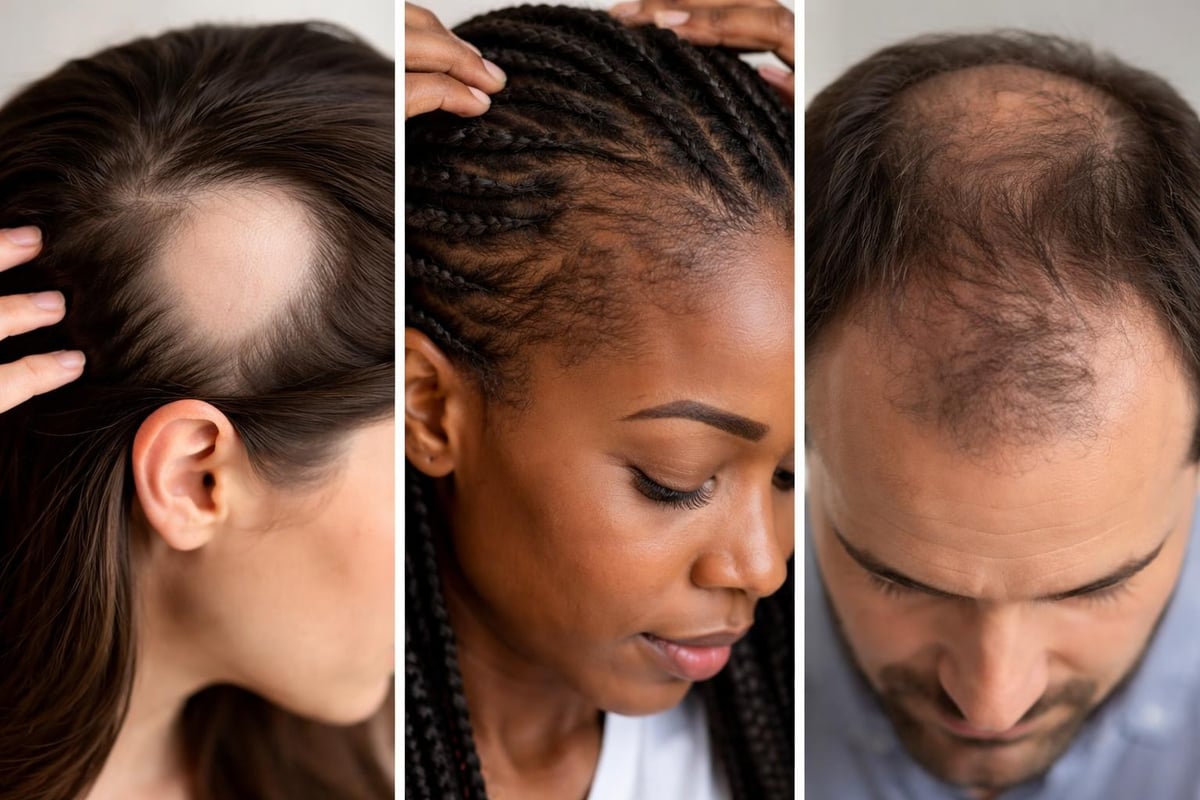
Alopecia areata represents one of the most common causes of circular bald patches. This autoimmune condition occurs when the body's immune system mistakenly attacks hair follicles, resulting in sudden hair loss in round or oval patches.
The condition can affect anyone regardless of age or gender, though it often first appears during childhood or young adulthood. Patches may remain isolated or progress to more extensive hair loss.
Key characteristics include:
- Smooth, round patches without scaling or redness
- Sudden onset of hair loss
- Exclamation mark hairs around patch edges
- Potential for spontaneous regrowth
- Possible nail changes in some cases
According to Harvard Health’s detailed overview of alopecia areata, the condition affects approximately 2% of the population at some point in their lives. Whilst the exact cause remains unclear, genetic factors and environmental triggers both play roles in its development.

Pattern Baldness and Hormonal Factors
Male and female pattern baldness can create bald patches on my head in predictable patterns. In men, this typically manifests as receding hairlines and thinning at the crown, whilst women often experience diffuse thinning across the top of the scalp.
Androgenetic alopecia stems from genetic susceptibility and hormonal influences, particularly the effects of dihydrotestosterone (DHT) on hair follicles. This type of hair loss progresses gradually over years or decades.
| Pattern Type | Common Areas | Progression Speed | Reversibility |
|---|---|---|---|
| Male Pattern | Temples, Crown | Gradual (5-15 years) | Limited |
| Female Pattern | Central Scalp | Slow (10+ years) | Moderate |
| Alopecia Areata | Random Patches | Rapid (weeks) | High |
| Traction | Hairline, Temples | Variable | Good if caught early |
Medical Conditions That Cause Bald Patches
Various health conditions can manifest as bald patches on my head, making proper diagnosis crucial for effective treatment.
Fungal Infections and Scalp Conditions
Tinea capitis, a fungal infection of the scalp, creates scaly, inflamed patches with broken hairs. This condition predominantly affects children but can occur at any age.
The infection spreads through direct contact or contaminated objects like combs and hats. Without treatment, it can lead to permanent scarring and hair loss.
Warning signs include:
- Scaly, red patches on the scalp
- Black dots where hairs have broken off
- Tender or swollen areas
- Possible secondary bacterial infection
- Spread to other body areas
Thyroid Disorders and Hormonal Imbalances
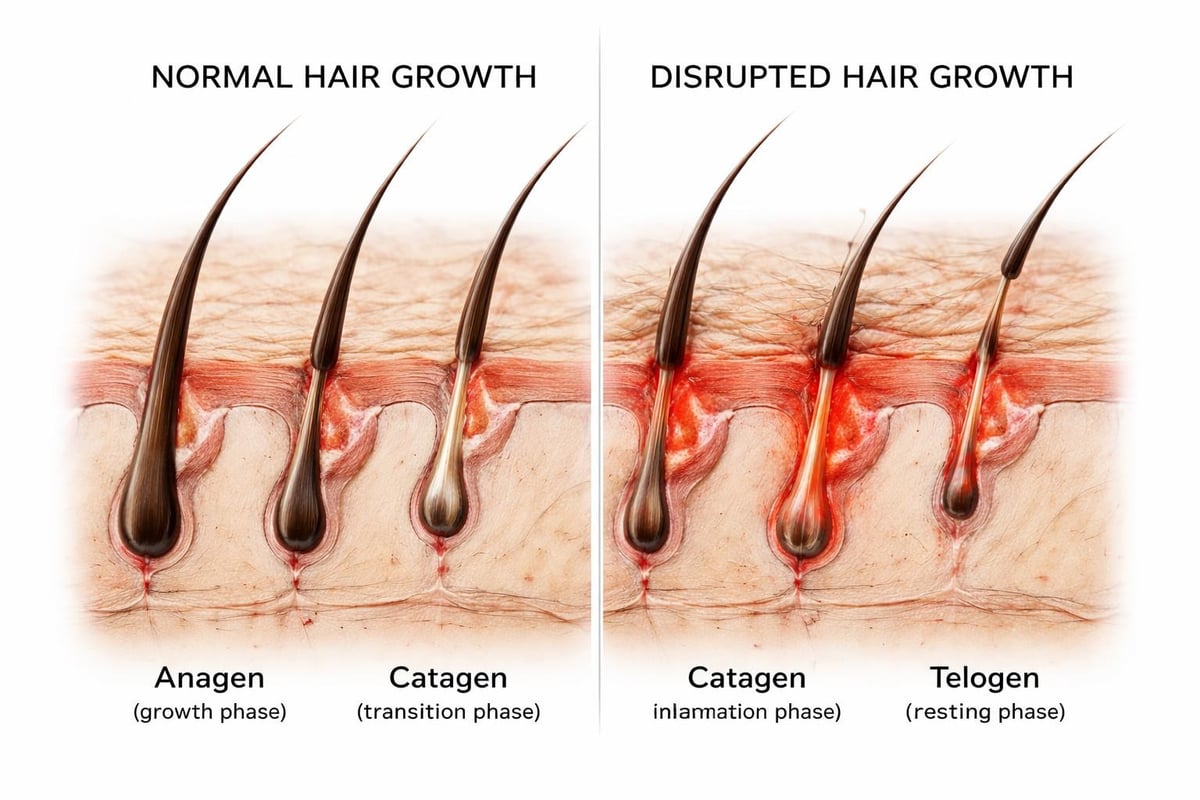
Both hypothyroidism and hyperthyroidism can contribute to hair loss patterns. The Mayo Clinic identifies various medical causes of hair loss, including thyroid dysfunction, which disrupts the normal hair growth cycle.
Thyroid-related hair loss typically presents as diffuse thinning rather than distinct patches, though it can exacerbate other forms of alopecia. Blood tests can identify thyroid issues, and treatment often restores normal hair growth.
Lifestyle and Environmental Factors
Beyond medical conditions, daily habits and environmental exposures significantly influence hair health and can contribute to bald patches on my head.
Traction Alopecia from Styling Practices
Traction alopecia develops from repeated pulling or tension on hair follicles. Tight hairstyles, extensions, and certain styling tools can gradually damage follicles, leading to permanent hair loss if continued.
This condition particularly affects individuals who regularly wear tight braids, ponytails, or use heavy hair extensions. Early intervention allows for full recovery, but prolonged traction causes irreversible follicle damage.
- Identify high-risk hairstyles in your routine
- Loosen tension on existing styles
- Rotate styling methods to distribute stress
- Allow recovery periods between tight styles
- Choose gentler alternatives for daily wear
Chemical Damage and Treatments
Excessive chemical processing through colouring, perming, or straightening treatments can weaken hair shafts and damage follicles. Whilst these typically cause breakage rather than true baldness, severe cases may create patchy appearance.
Anagen effluvium, often associated with chemotherapy, represents another form of treatment-related hair loss. This condition affects actively growing hairs and usually reverses after treatment cessation.
Nutritional Deficiencies and Stress
Inadequate nutrition, particularly deficiencies in iron, zinc, biotin, and protein, can compromise hair growth. Chronic stress also disrupts the hair cycle, pushing follicles prematurely into the resting phase.
Essential nutrients for healthy hair growth:
- Iron – Supports oxygen transport to follicles
- Zinc – Regulates tissue growth and repair
- Biotin – Strengthens hair structure
- Protein – Provides building blocks for keratin
- Vitamin D – Activates hair follicle cycling
Professional Diagnosis and Treatment Options
When noticing persistent bald patches on my head, seeking professional evaluation ensures accurate diagnosis and appropriate treatment.
Medical Evaluation and Testing
Dermatologists employ various diagnostic tools to identify the cause of hair loss. Visual examination, scalp biopsy, blood tests, and pull tests help differentiate between conditions.
MedlinePlus provides comprehensive information about the diagnostic process for alopecia areata and related conditions. Early diagnosis improves treatment outcomes and may prevent progression.
| Diagnostic Method | What It Reveals | Timeframe for Results |
|---|---|---|
| Visual Examination | Pattern and severity | Immediate |
| Pull Test | Hair shedding rate | Immediate |
| Scalp Biopsy | Follicle health, inflammation | 1-2 weeks |
| Blood Tests | Hormonal, nutritional status | 3-7 days |
| Dermoscopy | Follicle miniaturization | Immediate |
Prescription Treatments
For diagnosed conditions, various prescription options exist. Corticosteroid injections directly into patches can stimulate regrowth in alopecia areata. Minoxidil and finasteride address pattern baldness through different mechanisms.
Immunotherapy treatments show promise for extensive alopecia areata, whilst antifungal medications effectively treat tinea capitis. Treatment selection depends on the specific diagnosis, severity, and individual factors.
Cosmetic Solutions for Immediate Confidence
Whilst medical treatments work towards regrowth, cosmetic solutions provide immediate improvement in appearance and confidence when dealing with bald patches on my head.
Hair Thickening Sprays and Concealers
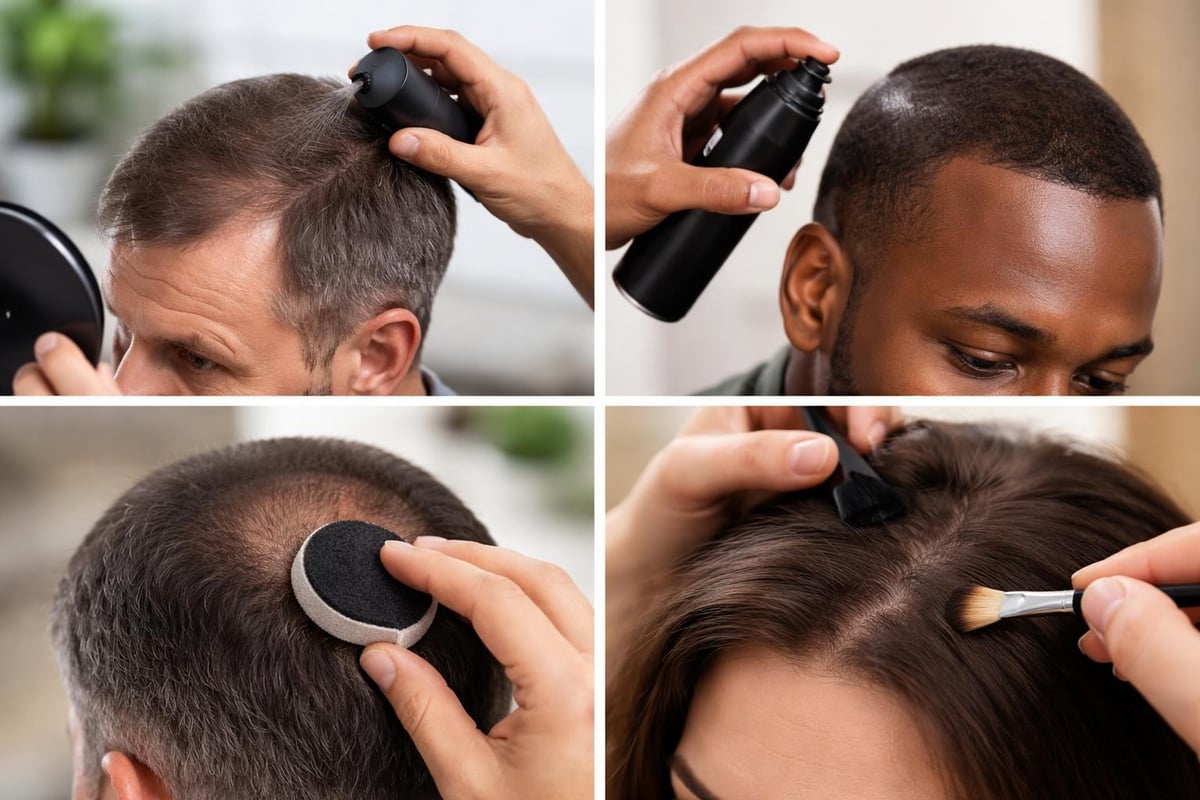
Modern hair thickening sprays offer instant coverage for thinning areas and small patches. These products use specially formulated fibres that bond electrostatically to existing hairs, creating the appearance of fuller, thicker hair.
The advantages of quality hair loss concealers include:
- Immediate visual improvement
- Natural-looking results when properly applied
- Water-resistant formulations for all-day wear
- Easy application without special skills
- Compatibility with other treatments
- Builds confidence during regrowth periods
Selecting the best hair loss concealer requires considering factors like colour match, hold strength, and ease of application. Premium products blend seamlessly with natural hair whilst withstanding daily activities.
Strategic Styling and Camouflage Techniques
Hairstyle choices significantly impact the visibility of bald patches on my head. Working with experienced stylists who understand hair loss helps create flattering looks that minimise visible thinning.
Layered cuts add volume and movement, whilst strategic parting redirects attention from thinning areas. For more extensive hair loss, partial hairpieces or toppers integrate with existing hair for natural enhancement.
Prevention Strategies and Long-Term Management
Protecting remaining hair and preventing further loss requires consistent attention to scalp health and gentle hair care practices.
Gentle Hair Care Routines
Adopting a gentle approach to hair care minimises unnecessary stress on follicles. Use lukewarm water for washing, limit heat styling, and choose sulphate-free shampoos formulated for thinning hair.
Daily care recommendations:
- Brush gently with wide-toothed combs
- Pat hair dry rather than rubbing vigorously
- Protect from sun exposure with hats or SPF products
- Massage scalp regularly to promote circulation
- Avoid sleeping with wet hair or tight styles
Scalp Health Optimisation
Maintaining a healthy scalp environment supports optimal hair growth. Regular cleansing removes buildup without stripping natural oils, whilst avoiding harsh chemicals prevents irritation.
Scalp treatments containing ingredients like tea tree oil, salicylic acid, or niacinamide can address specific concerns like inflammation or excess sebum production. Consistency matters more than expensive products.
Living Confidently with Hair Loss
Managing the emotional impact of discovering bald patches on my head represents an important aspect of overall wellbeing. Hair loss affects self-perception and social confidence for many individuals.
Building Psychological Resilience
Connecting with others experiencing similar challenges through support groups or online communities provides valuable perspective. Many organisations offer resources specifically for people dealing with various forms of alopecia.
Professional counselling can help process feelings about changing appearance and develop coping strategies. Remember that hair loss, whilst visible, does not define personal worth or capabilities.
Exploring All Options
The landscape of hair loss solutions continues expanding with new technologies and treatments. From platelet-rich plasma therapy to low-level laser devices, innovative approaches complement traditional methods.
Researching recent developments in hair loss treatments keeps you informed about emerging options. However, maintaining realistic expectations about timelines and results prevents disappointment.
Making Informed Decisions About Treatment
Choosing between various approaches to managing bald patches on my head requires balancing effectiveness, cost, convenience, and personal preferences.
Comparing Treatment Categories
| Treatment Type | Speed of Results | Cost Range | Maintenance Required |
|---|---|---|---|
| Medical (Rx) | 3-6 months | Moderate-High | Daily/Weekly |
| Surgical | 6-12 months | Very High | Minimal after healing |
| Cosmetic | Immediate | Low-Moderate | Daily |
| Nutritional | 3-6 months | Low | Daily |
Understanding that multiple approaches can work synergistically helps create comprehensive management plans. Medical treatments address underlying causes whilst cosmetic solutions provide immediate confidence.
Setting Realistic Expectations
No single solution works universally for all types of hair loss. Genetic pattern baldness may respond to medication but rarely reverses completely, whilst alopecia areata often regrows spontaneously without intervention.
Documenting progress through regular photographs helps track subtle changes that might otherwise go unnoticed. Patience proves essential, as hair growth cycles operate on monthly timescales.
Selecting Products and Services
When addressing bald patches on my head through cosmetic means, product quality significantly impacts results and user satisfaction.
Evaluating Hair Thickening Products
The best hair thickening spray should match your natural hair colour precisely, apply smoothly without clumping, and withstand normal daily activities including light rain or perspiration.
Reading verified customer reviews and examining before-and-after photographs provides realistic expectations. Many reputable companies offer satisfaction guarantees or sample programmes.
Quality indicators include:
- Keratin-based or natural fibres
- Multiple colour options for precise matching
- Strong hold without stiffness
- Easy removal with regular shampooing
- Dermatologically tested formulations
Professional Consultation Benefits
Consulting with trichologists or dermatologists specialising in hair loss ensures proper diagnosis before investing in treatments. These specialists can recommend evidence-based approaches tailored to specific conditions.
Many professionals now offer virtual consultations, increasing accessibility for those in remote areas or with mobility challenges. Initial assessments typically review medical history, examine scalp conditions, and discuss goals.
Understanding the causes behind bald patches on my head empowers effective decision-making about treatments and management strategies. Whether pursuing medical interventions, adopting preventative measures, or seeking immediate cosmetic solutions, options exist for every situation and preference. For those seeking instant confidence whilst exploring longer-term solutions, RESTRAND LTD offers premium hair thickening products designed specifically to conceal thinning areas and bald patches, helping you look and feel your best every day.