


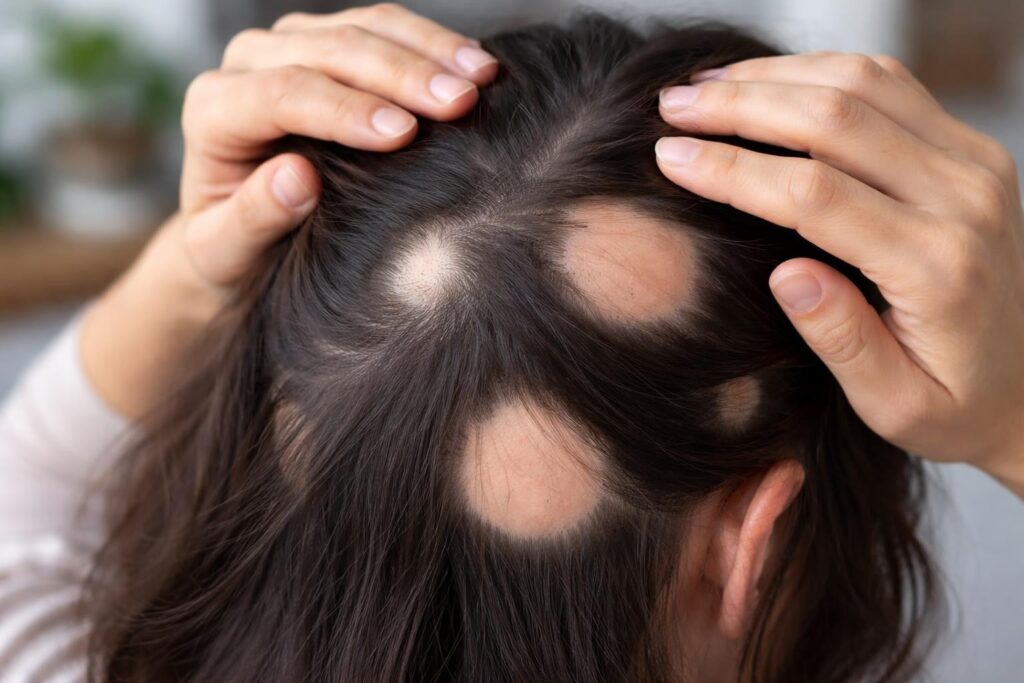
Hair loss can manifest in various forms, but few conditions are as distinctive or emotionally challenging as alopecia patches. These circular or oval areas of sudden hair loss can appear without warning, leaving smooth, bare skin where healthy hair once grew. Understanding the nature of these patches, their underlying causes, and the available management options is essential for anyone experiencing this condition. Whether you're dealing with a single small patch or multiple areas of hair loss, knowing your options empowers you to make informed decisions about treatment and cosmetic concealment strategies that restore confidence.
What Are Alopecia Patches and How Do They Develop
Alopecia patches refer to distinct areas of hair loss characterised by well-defined, smooth bald spots on the scalp or other hair-bearing areas of the body. These patches typically appear circular or oval in shape, ranging from the size of a small coin to several centimetres in diameter.
The condition most commonly associated with patchy hair loss is alopecia areata, an autoimmune disorder where the body's immune system mistakenly attacks hair follicles. Recent research from Harvard Health explains that whilst the follicles become damaged temporarily, they remain alive, which means regrowth is possible in many cases.
The Biological Process Behind Patch Formation
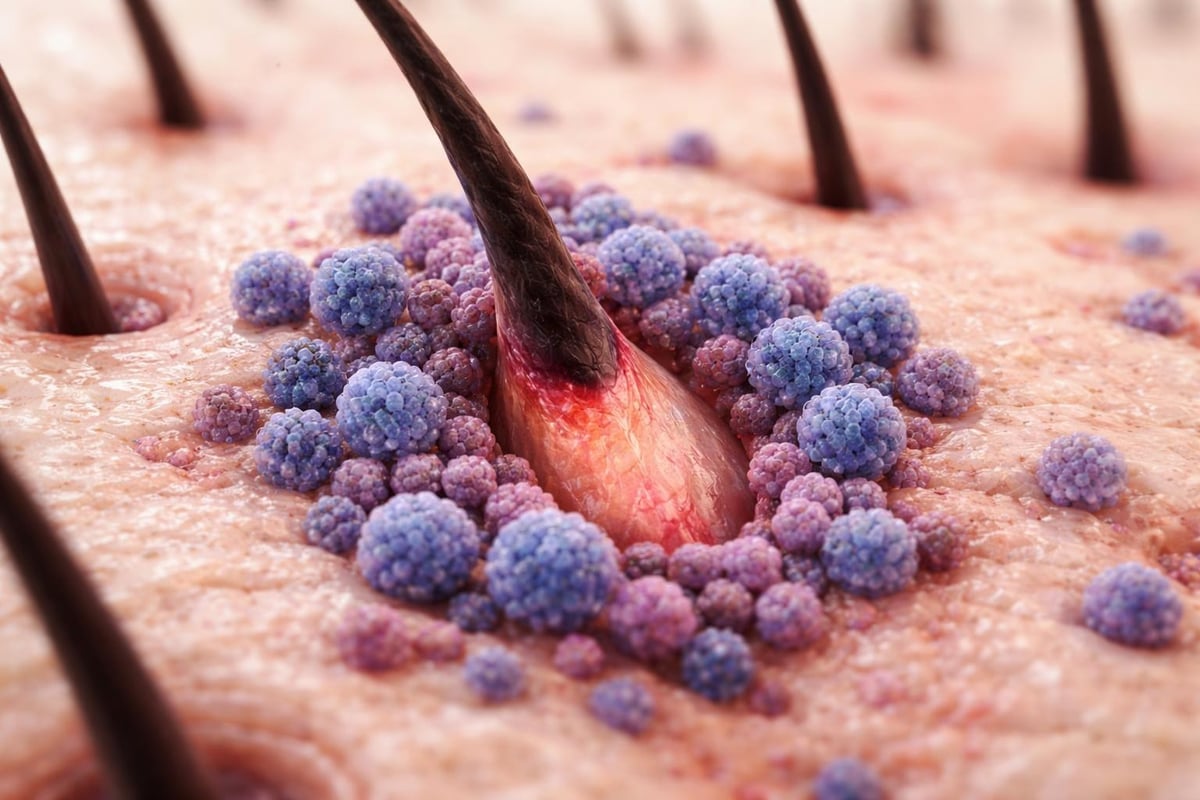
When alopecia patches develop, T-cells from the immune system surround and attack the hair follicles, disrupting normal hair growth cycles. This assault pushes follicles into a prolonged resting phase, causing rapid hair shedding in the affected area.
The patches often appear overnight or within a few days, catching individuals completely off guard. In some cases, people first notice these areas when someone else points them out or whilst styling their hair.
Key characteristics of alopecia patches include:
- Smooth, round or oval bald spots
- No visible scaling, redness, or scarring in most cases
- Possible "exclamation mark" hairs at patch edges (short, broken hairs)
- Hair that pulls out easily around the perimeter
- Potential for multiple patches to develop simultaneously

Types and Patterns of Alopecia Patches
Not all alopecia patches present in the same manner. Understanding the different patterns helps identify the severity and potential progression of the condition.
Alopecia Areata (Patchy)
This is the most common presentation, featuring one or more coin-sized patches. These may remain isolated or expand gradually over time. Many individuals with this type see spontaneous regrowth within twelve months.
Alopecia Totalis
When patches continue to spread and eventually result in complete scalp hair loss, the condition progresses to alopecia totalis. This represents a more extensive form affecting the entire scalp.
Alopecia Universalis
The most extensive form involves loss of all body hair, including eyebrows, eyelashes, and body hair. This severe presentation is relatively rare.
| Pattern Type | Affected Area | Regrowth Likelihood |
|---|---|---|
| Patchy Alopecia Areata | One or several round patches | High (50-80% within 1 year) |
| Alopecia Totalis | Entire scalp | Moderate (30-50%) |
| Alopecia Universalis | All body hair | Lower (10-20%) |
Ophiasis Pattern
This distinctive pattern creates a band-like area of hair loss around the sides and back of the scalp. It tends to be more resistant to treatment than isolated patches.
Identifying the Causes and Triggers
Whilst alopecia areata is fundamentally an autoimmune condition, various factors may trigger its onset or exacerbate existing patches.
Genetic predisposition plays a significant role. Approximately 20% of people with alopecia areata have a family member with the same condition. If you have other autoimmune conditions such as thyroid disease, vitiligo, or type 1 diabetes, your risk increases.
Common triggers that may precipitate alopecia patches:
- Severe emotional stress or trauma
- Physical illness or infection
- Hormonal changes (pregnancy, menopause)
- Certain medications or vaccines
- Environmental factors
Stress deserves particular attention, as many patients report significant life events preceding their first patch appearance. However, stress alone doesn't cause alopecia patches; rather, it may activate the condition in genetically susceptible individuals.
Recent studies exploring modified proteins to fight hair loss have revealed promising insights into the molecular mechanisms involved.
Medical Treatments for Alopecia Patches
Treatment approaches vary depending on the extent of hair loss, the patient's age, and individual response to therapy. No single treatment works for everyone, and many individuals require combination approaches.
Corticosteroid Treatments
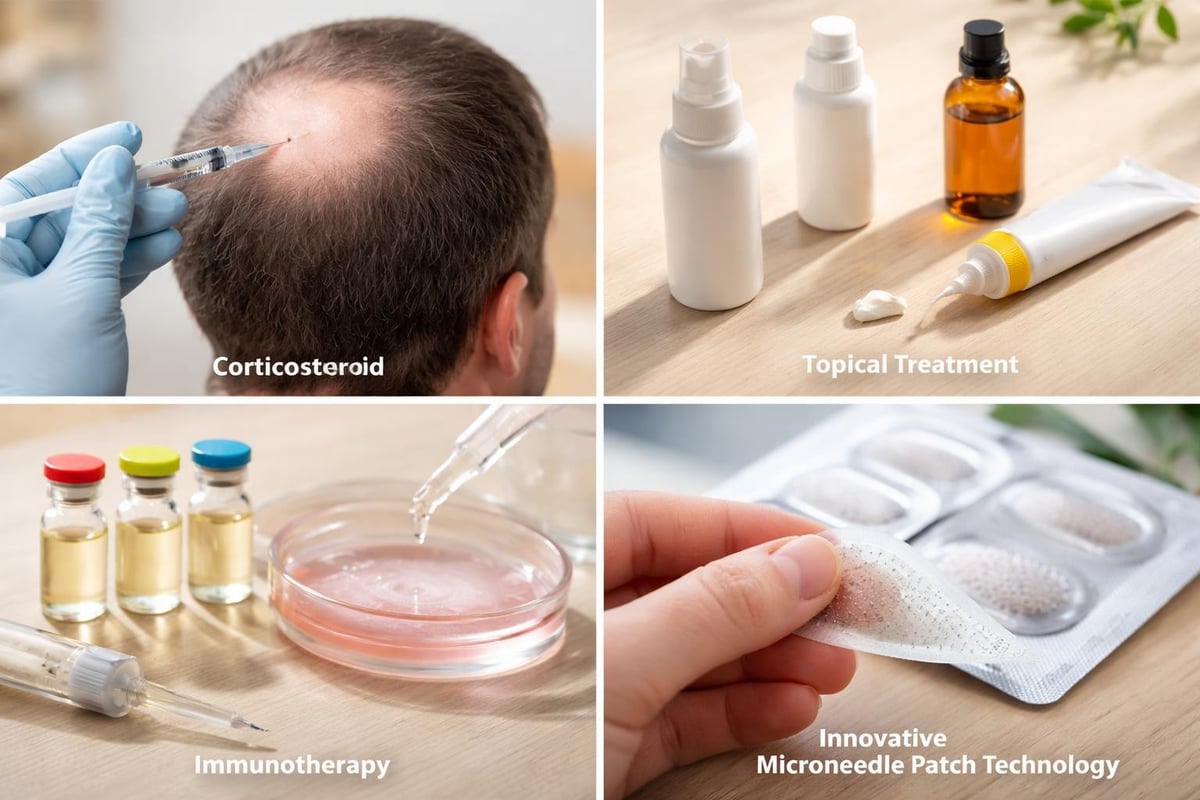
Corticosteroids remain the most common first-line treatment for alopecia patches. These powerful anti-inflammatory medications can be administered in several ways:
Intralesional injections involve injecting corticosteroids directly into the patches every four to six weeks. This approach shows effectiveness rates of 60-67% for limited patchy alopecia.
Topical corticosteroids offer a less invasive option, though they're generally less effective than injections. They work best for mild cases or as adjunctive therapy.
Oral corticosteroids may be prescribed for rapidly progressing cases, but long-term use carries significant side effects.
Immunotherapy Approaches
Topical immunotherapy using substances like diphencyprone (DPCP) or squaric acid dibutylester (SADBE) deliberately causes an allergic reaction on the scalp. This response may redirect the immune system away from attacking hair follicles.
Success rates for immunotherapy range from 40-60% in cases of extensive alopecia areata. The treatment requires months of consistent application and regular monitoring.
Emerging Treatments and Research
Groundbreaking research has introduced innovative approaches. MIT researchers developed a microneedle patch treatment that delivers immune-regulating molecules directly to affected areas, showing promising results in early trials.
Harvard researchers have successfully reversed hair loss using similar microneedle patch technology, offering hope for more targeted, effective treatments with fewer systemic side effects.
JAK inhibitors, a newer class of oral medications, have shown remarkable results in clinical trials. These drugs block specific enzymes involved in the autoimmune response. However, they're expensive and may carry potential risks requiring careful medical supervision.
Lifestyle Management and Supportive Care
Beyond medical treatments, numerous strategies help manage the physical and emotional aspects of living with alopecia patches.
Nutrition and Supplements
Whilst no specific diet cures alopecia areata, optimal nutrition supports overall hair health. Iron, zinc, biotin, and vitamin D deficiencies can exacerbate hair loss conditions.
Consider having blood tests to identify any nutritional deficiencies. Supplementation should be targeted based on actual deficiencies rather than general "hair vitamins."
Stress Reduction Techniques
Given stress's role as a potential trigger, stress management becomes an essential component of holistic care. Techniques that may help include:
- Mindfulness meditation and breathing exercises
- Regular physical exercise
- Adequate sleep (7-9 hours nightly)
- Counselling or cognitive behavioural therapy
- Support groups for individuals with alopecia
Scalp Care Recommendations
Maintaining scalp health doesn't prevent patches but can optimise conditions for regrowth when it occurs.
Use gentle, sulphate-free shampoos to avoid irritation. Avoid harsh chemical treatments, tight hairstyles, or excessive heat styling that might stress remaining hair. Protect exposed scalp from sun damage with sunscreen or protective head coverings.
Cosmetic Solutions for Concealing Alopecia Patches
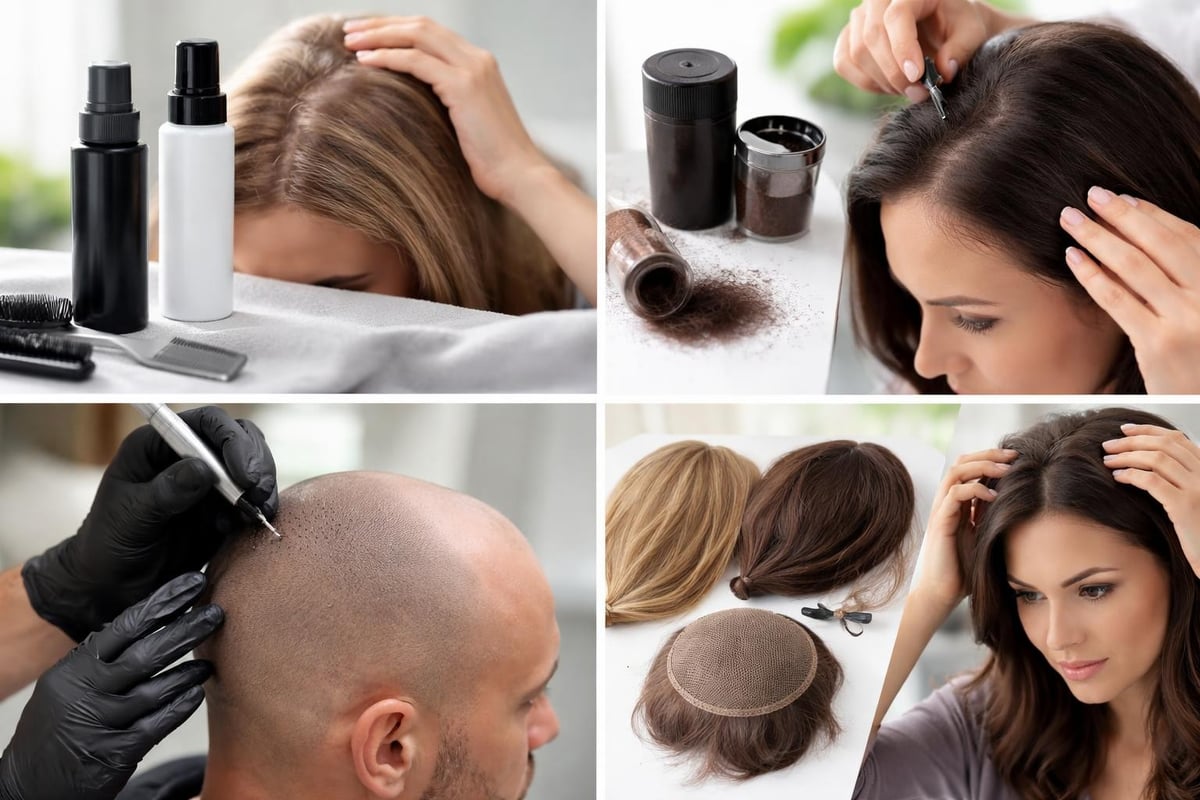
Whilst awaiting treatment results or if treatments prove ineffective, cosmetic concealment offers immediate confidence restoration. Modern products provide natural-looking coverage that's undetectable in most situations.
Hair Thickening Sprays and Fibres
These innovative products work by adhering to existing hair strands, creating the appearance of fuller, denser hair that effectively conceals underlying patches. Hair thickening sprays offer particularly effective solutions for smaller to medium-sized patches where some miniaturised hair remains.
The application process is straightforward. Simply spray the product onto dry hair in the affected area, ensuring even coverage. The fibres electrostatically bond to existing hair, creating a seamless blend with surrounding hair.
| Concealment Method | Best For | Duration | Application Time |
|---|---|---|---|
| Hair Thickening Spray | Small to medium patches | 1-2 days | 2-3 minutes |
| Hair Fibres | Areas with some hair | Until washed | 3-5 minutes |
| Scalp Micropigmentation | Any size patches | 1-3 years | Professional treatment |
| Wigs/Hairpieces | Extensive loss | Months to years | 5-10 minutes |
Scalp Micropigmentation
This semi-permanent cosmetic tattooing technique creates the appearance of hair follicles on bare scalp. It's particularly effective for creating a "buzz cut" appearance or adding density to areas with thin coverage.
The procedure requires multiple sessions and results last one to three years before requiring touch-ups. It works exceptionally well for individuals who prefer very short hairstyles.
Wigs and Hairpieces
Modern wigs have evolved tremendously, offering natural-looking options in various styles, colours, and materials. Custom-fitted pieces can be virtually undetectable and provide complete coverage for extensive hair loss.
Partial hairpieces or toppers work well for covering specific patch areas whilst allowing natural hair to show elsewhere.
Psychological Impact and Emotional Support
The emotional toll of alopecia patches often exceeds the physical manifestation. Hair loss significantly affects self-esteem, body image, and social interactions.
Understanding the Emotional Journey
Many individuals experience grief stages similar to other losses: denial, anger, bargaining, depression, and acceptance. Recognising these feelings as normal validates your experience.
Children and adolescents with alopecia patches face particular challenges, including bullying and social isolation. Parents should seek specialised psychological support for young people navigating hair loss.
Building Resilience and Confidence
Connecting with others who share similar experiences provides invaluable support. Organizations like Alopecia UK offer resources, support groups, and educational materials.
Professional counselling helps process emotions and develop coping strategies. Cognitive behavioural therapy specifically addresses negative thought patterns about appearance and self-worth.
Reframing Identity Beyond Hair
Many individuals report that accepting their alopecia patches ultimately strengthened their self-concept. Shifting focus from appearance to other qualities and achievements builds resilience.
Some choose to embrace their bare patches or complete hair loss, viewing it as a distinctive feature rather than a flaw. Others prefer concealment options. Both approaches are equally valid.
Monitoring and Long-Term Management
Alopecia patches follow unpredictable courses. Some people experience a single episode with complete regrowth, whilst others face recurring patches throughout their lives.
Tracking Patch Development
Photographing patches monthly helps monitor changes objectively. Note the size, location, and any signs of regrowth (fine, light-coloured hairs often appear first).
Keep a journal documenting potential triggers, treatments tried, and results observed. This information proves valuable when discussing management with healthcare providers.
When to Seek Medical Attention
Consult a dermatologist if:
- You notice sudden hair loss patches
- Existing patches rapidly enlarge
- You experience scalp pain, itching, or inflammation
- Hair loss extends beyond the scalp
- You notice other symptoms suggesting autoimmune conditions
Regular follow-up appointments ensure appropriate treatment adjustments and monitoring for associated conditions.
Realistic Expectations
Understanding that regrowth timelines vary helps manage expectations. Even with treatment, hair may take six to twelve months to regrow substantially. New hair often appears white or grey initially before regaining normal pigmentation.
Patience proves essential. Repeatedly changing treatments before allowing adequate time for results can prove counterproductive and frustrating.
Preventing Patch Recurrence
Whilst no guaranteed method prevents alopecia patches from recurring, certain strategies may reduce risk or severity.
Maintaining overall health through balanced nutrition, regular exercise, and adequate sleep supports immune system regulation. Managing stress through proven techniques may decrease the likelihood of stress-triggered episodes.
Some dermatologists recommend maintenance therapy after successful treatment, such as continued topical applications at reduced frequencies. However, this approach requires individualised assessment and professional guidance.
Avoiding hair trauma from tight hairstyles, harsh chemicals, or excessive heat styling prevents additional stress on vulnerable hair follicles. Gentle hair care practices protect remaining hair and potentially support regrowth.
Understanding common hair loss myths helps avoid ineffective or potentially harmful approaches that waste time and resources.
Finding Professional Support and Resources
Navigating alopecia patches requires a multidisciplinary approach involving dermatologists, trichologists, psychologists, and cosmetologists.
Essential professional contacts include:
- Dermatologist for medical diagnosis and treatment
- Trichologist for specialised hair and scalp care
- Psychologist or counsellor for emotional support
- Cosmetic specialist for concealment options
Seeking care from professionals experienced specifically with alopecia ensures you receive evidence-based, effective guidance rather than generic advice.
Online resources provide education and community, but verify information comes from reputable medical sources. Evidence-based hair loss help separates fact from fiction in an industry filled with unfounded claims.
Managing alopecia patches requires a comprehensive approach combining medical treatment, cosmetic concealment, and emotional support. Whether you're pursuing active treatment or focusing on cosmetic solutions whilst monitoring natural progression, numerous effective options exist. For those seeking immediate confidence restoration, RESTRAND LTD offers professional-grade hair thickening solutions specifically designed to conceal patches and thinning areas, providing natural-looking results that help you feel confident whilst exploring treatment options or embracing your journey with alopecia.